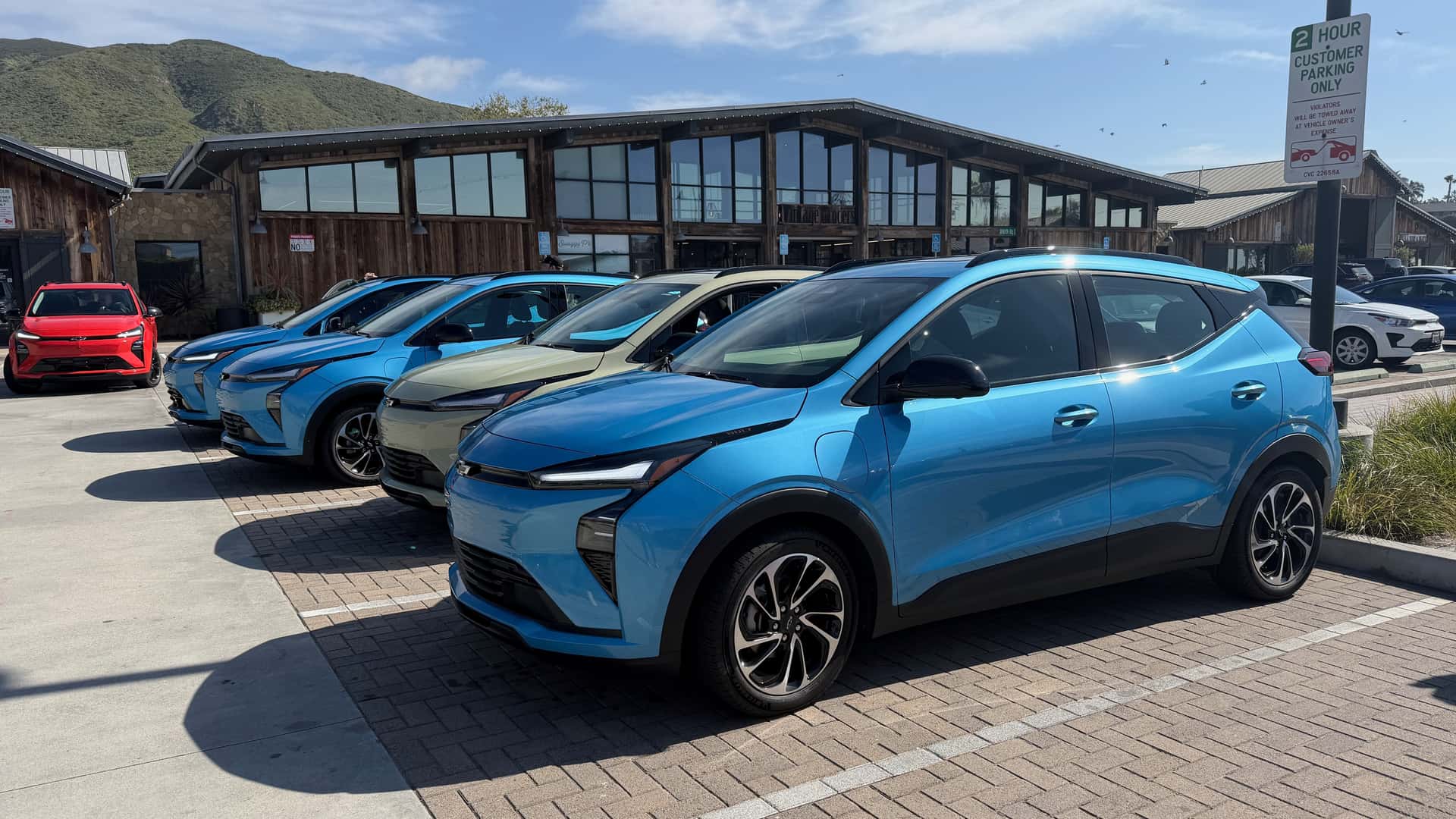
GM Explores Alternative Battery Chemistry Amid LFP Popularity
Updated June 11, 2026
3 min read
1 linked source
General Motors (GM) is considering a shift away from lithium iron phosphate (LFP) batteries, which are favored in China for their low cost. Instead, GM is looking at a different battery chemistry that may offer similar cost advantages but with fewer drawbacks. The decision could impact the availability and pricing of GM's electric vehicles in the future.
Share this story
Why it matters
- ✓If GM adopts this new battery technology, it could lead to more competitively priced EVs, benefiting buyers looking for affordable options.
- ✓The shift may also influence charging performance and longevity, potentially enhancing the overall ownership experience for GM EV owners.
- ✓The transition could affect the availability of GM's electric models that rely on LFP technology, impacting consumer choices.
Reporting notes
EV Signal briefs are written to explain the verified change first, then add the context EV buyers and owners need to understand cost, availability, charging access, eligibility, or ownership impact.
If details are still developing, we try to say what is confirmed, what comes from secondary reporting, and what readers should verify before acting.
Source mix
1 linked source
1 media
Reviewed from: InsideEVs.
GM's Battery Strategy Shift
General Motors (GM) is re-evaluating its approach to battery technology as it considers moving away from lithium iron phosphate (LFP) batteries, which have become a popular choice in the electric vehicle (EV) market, particularly in China. While LFP batteries are known for their affordability, GM is exploring alternative battery chemistries that could provide similar cost benefits without some of the associated drawbacks.
What Changed
The automotive industry has increasingly turned to LFP batteries due to their lower production costs compared to traditional lithium-ion batteries. However, GM's recent statements suggest that the company is not fully committed to LFP technology. Instead, GM is investigating other battery chemistries that may offer a more balanced performance in terms of cost, efficiency, and longevity. This shift could signify a pivotal change in GM's EV strategy, especially as competition intensifies in the EV market.
Why It Matters for Buyers and Owners
- Pricing Impact: If GM successfully transitions to a more advantageous battery chemistry, it could lead to lower prices for its electric vehicles, making them more accessible to a broader range of consumers.
- Performance and Longevity: The new battery technology may improve charging times and overall battery life, enhancing the day-to-day experience for EV owners.
- Model Availability: As GM re-evaluates its battery options, it may affect the timeline and availability of upcoming electric models, potentially limiting consumer choices in the short term.
Key Details from Source Material
According to InsideEVs, LFP batteries have become the go-to option for many manufacturers due to their cost-effectiveness. However, GM is exploring alternatives that could mitigate some of the limitations associated with LFP technology, such as energy density and thermal stability. The company’s interest in other chemistries indicates a strategic pivot that could reshape its EV offerings.
What to Watch Next
As GM continues to assess its battery technology options, it will be important to monitor announcements regarding new models and their specifications. The automotive industry is rapidly evolving, and GM's decisions could set a precedent for other manufacturers. Additionally, keep an eye on consumer reactions and market trends as GM implements any changes to its battery strategy. The potential shift could have significant implications for the broader EV market, influencing pricing and technology adoption across the board.
Sources
These are the documents and reports used to build this brief so readers can verify the story directly.
Comments
Log in with
Loading comments…
More in Models & Pricing
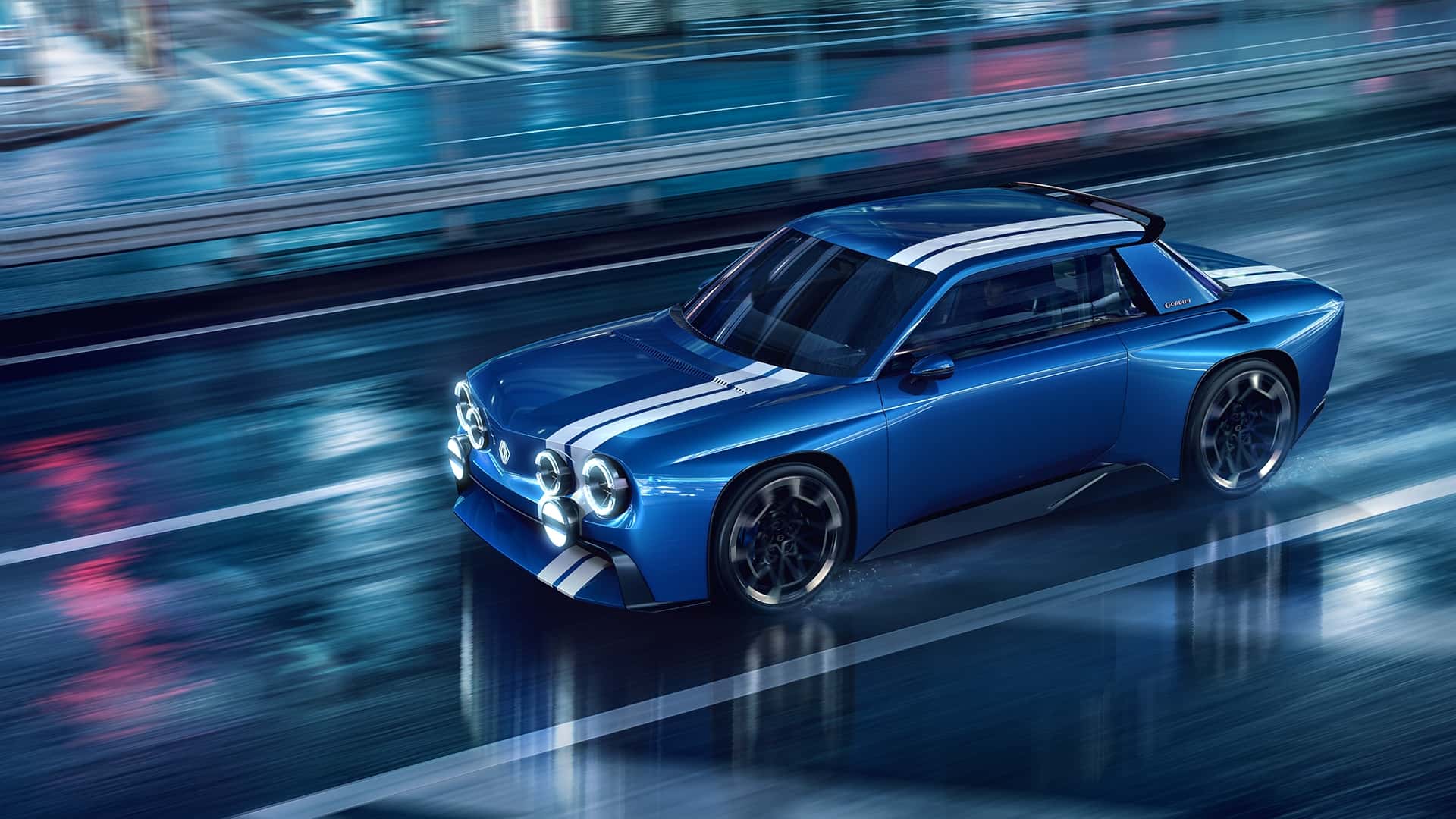
Renault 8 Gordini Returns as Rear-Wheel Drive EV
Renault has unveiled the return of the iconic Renault 8 Gordini as a rear-wheel drive electric…
Just now
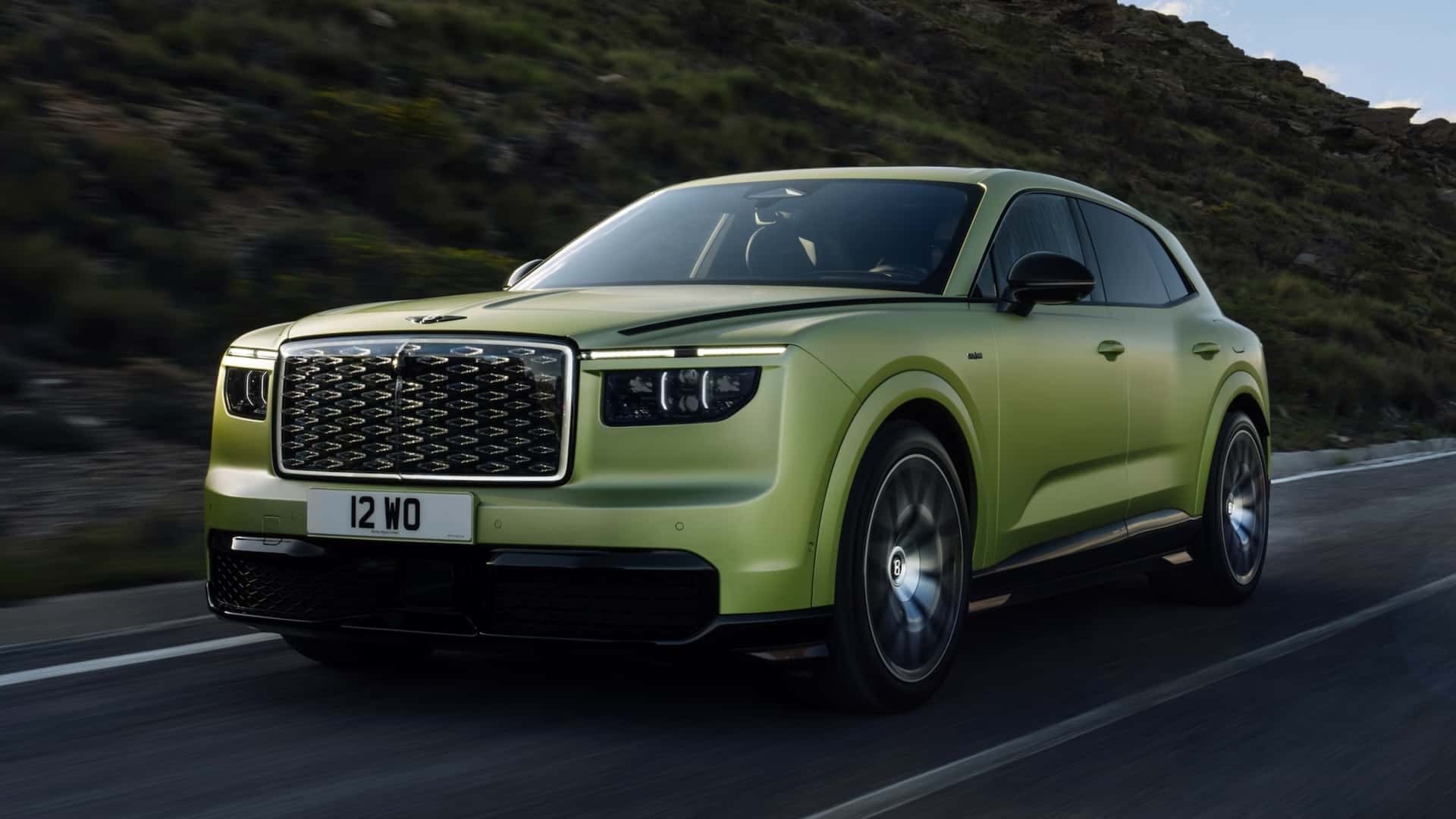
Bentley's First EV, the Torcal, Offers Rapid Charging Capabilities
Bentley has launched its first electric vehicle, the Torcal, a midsize SUV that boasts rapid…
12h ago
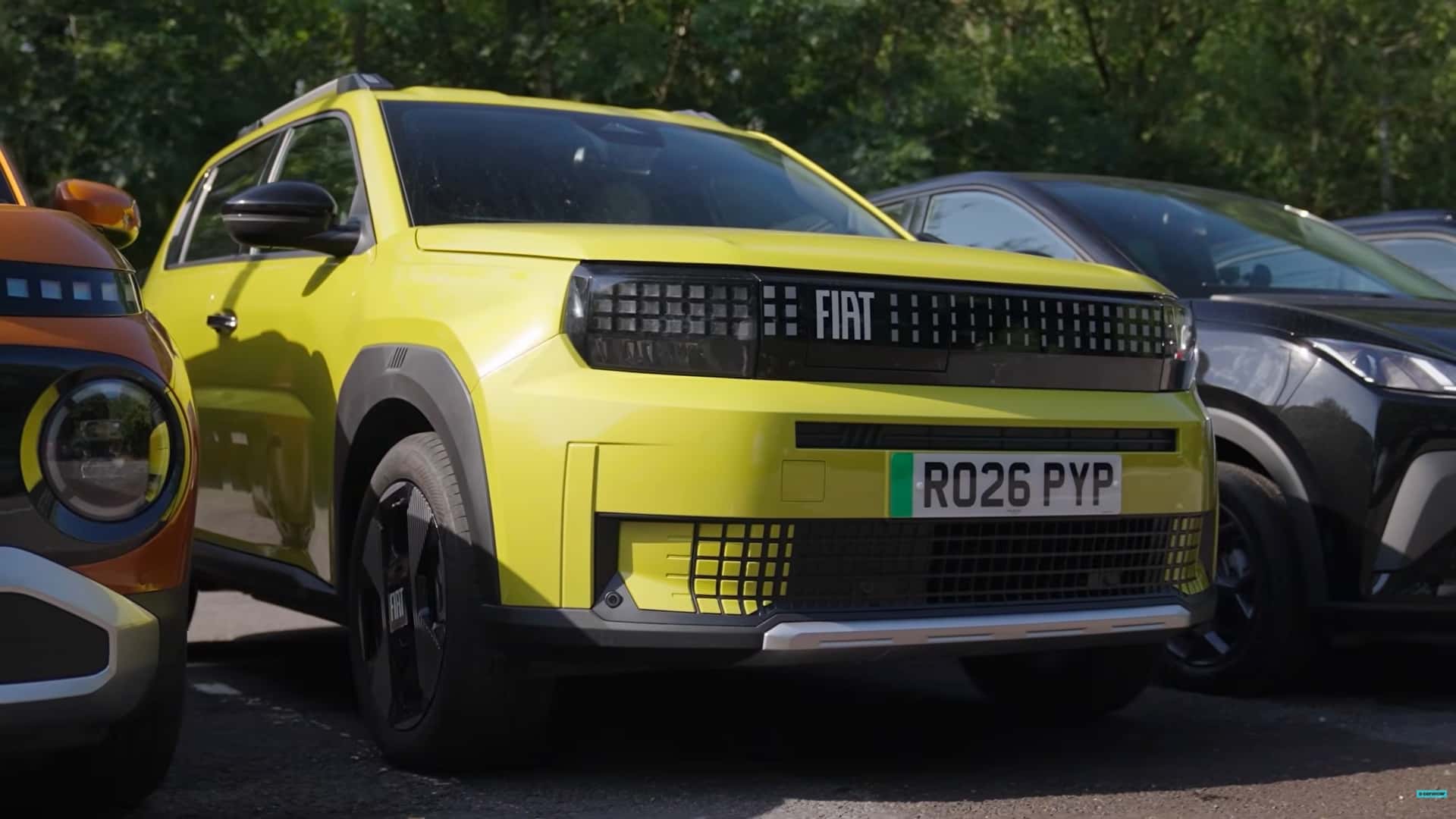
Fiat Grande Panda Outperforms Claimed Range in Real-World Test
In a recent highway range test, the Fiat Grande Panda exceeded its officially claimed range,…
12h ago
Bentley Launches Torcal, Its First All-Electric SUV
Bentley has officially unveiled the Torcal, marking its entry into the electric vehicle market.…
12h ago