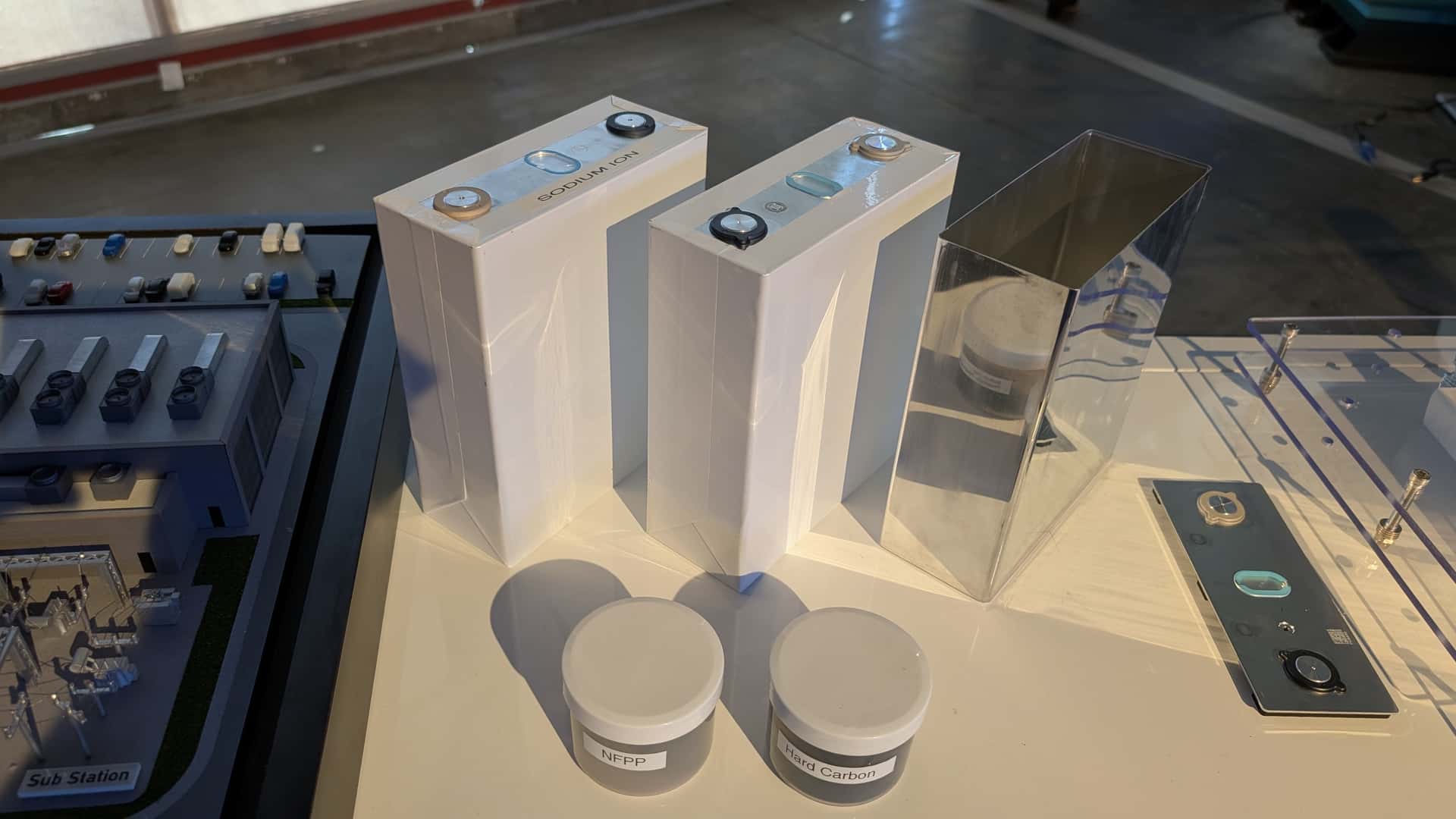
GM Expands Energy Strategy with Sodium-Ion Batteries and Vehicle-to-Grid Technology
Updated June 13, 2026
3 min read
1 linked source
General Motors is advancing its energy strategy by integrating sodium-ion batteries and vehicle-to-grid technology, aiming to expand its influence beyond just automotive sales. This initiative could significantly impact how EVs contribute to energy management, but details on implementation and availability remain unclear.
Share this story
Why it matters
- ✓Potential for lower-cost batteries could reduce overall EV prices, benefiting buyers.
- ✓Vehicle-to-grid technology may allow EV owners to sell energy back to the grid, potentially lowering ownership costs.
- ✓Uncertainty remains regarding the timeline for deployment and the specific models that will utilize these technologies.
Reporting notes
EV Signal briefs are written to explain the verified change first, then add the context EV buyers and owners need to understand cost, availability, charging access, eligibility, or ownership impact.
If details are still developing, we try to say what is confirmed, what comes from secondary reporting, and what readers should verify before acting.
Source mix
1 linked source
1 media
Reviewed from: InsideEVs.
GM's Energy Strategy Shift
General Motors (GM) is taking a significant step in its energy strategy by introducing sodium-ion batteries and vehicle-to-grid (V2G) technology. This move aims to enhance the role of electric vehicles (EVs) in the broader energy ecosystem, allowing them to serve not just as modes of transportation but also as energy storage solutions that can interact with the grid.
What Changed
The introduction of sodium-ion batteries marks a pivotal shift in GM's approach to battery technology. Unlike traditional lithium-ion batteries, sodium-ion batteries utilize more abundant and less expensive materials, which could lead to lower production costs. Coupled with V2G technology, these batteries could enable EVs to discharge energy back into the grid, providing a new revenue stream for owners and enhancing grid stability.
Why It Matters for Buyers and Owners
-
Cost Implications: If sodium-ion batteries can be produced at a lower cost than lithium-ion batteries, this could lead to more affordable EV options for consumers. Lower battery costs may also translate to reduced overall vehicle prices.
-
Energy Revenue Potential: With V2G technology, EV owners may have the opportunity to sell excess energy stored in their vehicles back to the grid. This could help offset ownership costs and provide a new financial incentive for EV adoption.
-
Implementation Uncertainty: While the potential benefits are clear, the timeline for the rollout of these technologies and the specific models that will feature them are still uncertain. Consumers will need to stay informed about GM's announcements regarding availability and eligibility for these innovations.
Key Details from Source Material
According to a report from InsideEVs, GM's ambitions with sodium-ion batteries and V2G technology extend beyond just enhancing vehicle performance. The company is looking to position itself as a leader in the energy sector, leveraging its EVs to contribute to grid management and energy distribution. The report emphasizes that this strategy reflects a growing trend in the automotive industry, where manufacturers are increasingly focusing on sustainable energy solutions.
What to Watch Next
As GM progresses with its sodium-ion battery and V2G initiatives, it will be crucial for consumers and industry stakeholders to monitor the following:
- Official Announcements: Keep an eye on GM's press releases and product announcements for updates on which models will feature these technologies and when they will be available.
- Market Reactions: Watch how competitors respond to GM's strategy, particularly in terms of battery technology and energy management solutions.
- Regulatory Developments: Changes in energy regulations and incentives for V2G technology could impact the viability and attractiveness of these offerings for consumers.
In conclusion, GM's push into sodium-ion batteries and vehicle-to-grid technology represents a significant evolution in the automotive and energy landscape. While the potential benefits for EV buyers and owners are promising, the details surrounding implementation and availability will be critical in determining the overall impact of this initiative.
Sources
These are the documents and reports used to build this brief so readers can verify the story directly.
Comments
Log in with
Loading comments…
More in Ownership
Tesla's Lawyers Misled Witness in Racism Trial
Tesla's ongoing racism trial in California has faced significant setbacks as it was revealed that a…
18h ago

Rivian R2 Faces First Recall Due to Camera Issue
Rivian has issued a recall affecting nearly 99,000 vehicles, including some of its new R2 models,…
18h ago
BMW iX3 Outperforms Mercedes GLC and Volvo EX60 in Highway Efficiency Test
In a recent highway test, the BMW iX3 demonstrated superior energy efficiency and range compared to…
1d ago
PHEV Batteries Show Resilience Despite Frequent Cycling
Plug-in hybrid electric vehicles (PHEVs) experience more frequent battery cycling than fully…
1d ago