
Global Growth's Impact on the Environment: A Critical Perspective
Updated March 11, 2026
5 min read
1 linked source
The article from CleanTechnica argues that the relentless pursuit of global economic growth, often championed by billionaires, is detrimental to the planet. It highlights how this growth mindset leads to the exploitation of natural resources and ecosystems, which are not infinite. The ongoing focus on increasing GDP overlooks the environmental costs associated with such growth.
Share this story
Why it matters
- ✓As EV buyers and owners, understanding the environmental impact of economic growth can influence purchasing decisions and advocacy for sustainable practices.
- ✓Awareness of the finite nature of natural resources may encourage consumers to support brands that prioritize sustainability and eco-friendly practices.
- ✓The discussion around economic growth and its environmental consequences can shape policies that affect EV incentives and infrastructure development.
Reporting notes
EV Signal briefs are written to explain the verified change first, then add the context EV buyers and owners need to understand cost, availability, charging access, eligibility, or ownership impact.
If details are still developing, we try to say what is confirmed, what comes from secondary reporting, and what readers should verify before acting.
Source mix
1 linked source
1 media
Reviewed from: CleanTechnica.
Global Growth's Impact on the Environment: A Critical Perspective
The relentless pursuit of global economic growth has become a cornerstone of modern society, often touted by influential figures, including billionaires and policymakers. However, as highlighted in a recent article from CleanTechnica, this growth-centric mindset is increasingly being scrutinized for its detrimental effects on the environment. The article argues that the prioritization of gross domestic product (GDP) growth leads to the exploitation of finite natural resources and ecosystems, ultimately compromising the health of our planet.
The Fallacy of Infinite Growth
At the heart of the argument against unchecked economic growth is the misconception that natural resources are infinite. The industrialized economy operates under the assumption that ecosystems can withstand continuous extraction and degradation without consequence. This perspective is not only flawed but also dangerous, as it overlooks the reality that our planet's resources are limited. The CleanTechnica article emphasizes that while GDP growth may yield short-term economic benefits, it often comes at the expense of long-term environmental sustainability.
Environmental Costs of Economic Growth
The pursuit of economic growth has led to significant environmental degradation across the globe. Deforestation, pollution, loss of biodiversity, and climate change are just a few of the consequences linked to industrial expansion and resource extraction. For instance, the demand for fossil fuels has driven extensive drilling and mining operations, resulting in habitat destruction and increased greenhouse gas emissions. As the article points out, this relentless growth mindset treats natural capital as an "innocent and seemingly inevitable byproduct," ignoring the ecological costs associated with such exploitation.
Moreover, the focus on GDP growth often leads to the prioritization of short-term gains over long-term sustainability. Industries that contribute to economic growth, such as fossil fuels and manufacturing, frequently engage in practices that harm the environment. This creates a cycle where economic success is measured without accounting for the ecological damage incurred, leading to a false sense of prosperity.
Implications for Electric Vehicle (EV) Buyers and Owners
As electric vehicle (EV) buyers and owners, understanding the environmental impact of economic growth is crucial for making informed purchasing decisions. The CleanTechnica article underscores the importance of recognizing the finite nature of natural resources, which can influence consumer behavior and advocacy for sustainable practices.
Supporting Sustainable Brands
Awareness of the environmental costs associated with economic growth may encourage consumers to support brands that prioritize sustainability and eco-friendly practices. For instance, EV manufacturers that adopt responsible sourcing of materials, such as lithium and cobalt, used in batteries can appeal to environmentally conscious consumers. By choosing to invest in companies that demonstrate a commitment to sustainability, EV buyers can play a role in promoting responsible practices within the automotive industry.
Advocacy for Policy Changes
The discussion surrounding economic growth and its environmental consequences can also shape policies that affect EV incentives and infrastructure development. As consumers become more aware of the ecological impacts of growth, they may advocate for policies that prioritize sustainable transportation solutions. This could include increased funding for EV infrastructure, incentives for renewable energy adoption, and stricter regulations on industries that contribute to environmental degradation.
The Role of Billionaires in Economic Growth
The CleanTechnica article highlights the role of billionaires in perpetuating the narrative that global growth is essential for societal progress. Many wealthy individuals advocate for policies that prioritize economic expansion, often overlooking the environmental implications of such growth. This perspective can be particularly harmful, as it may lead to the promotion of unsustainable practices in the name of economic development.
For instance, billionaires may invest in industries that prioritize short-term profits over long-term sustainability, contributing to the depletion of natural resources. Their influence can shape public opinion and policy, making it essential for consumers to critically evaluate the narratives surrounding economic growth and its purported benefits.
Rethinking Economic Growth
The need for a paradigm shift in how we view economic growth is becoming increasingly urgent. The CleanTechnica article calls for a reevaluation of our priorities, advocating for a model that values ecological health alongside economic prosperity. This shift requires a collective effort from consumers, businesses, and policymakers to redefine success in a way that prioritizes sustainability.
Embracing Circular Economy Principles
One potential solution lies in embracing circular economy principles, which focus on minimizing waste and maximizing resource efficiency. By designing products with longevity and recyclability in mind, industries can reduce their reliance on finite resources and lessen their environmental impact. For EV buyers, supporting companies that adopt circular economy practices can contribute to a more sustainable future.
Investing in Renewable Energy
Another critical aspect of rethinking economic growth involves investing in renewable energy sources. Transitioning away from fossil fuels and towards clean energy solutions can significantly reduce greenhouse gas emissions and mitigate climate change. As EV owners, advocating for policies that support renewable energy infrastructure can help create a more sustainable transportation ecosystem.
Conclusion
The CleanTechnica article serves as a vital reminder of the environmental costs associated with the relentless pursuit of global economic growth. As EV buyers and owners, understanding these implications can empower consumers to make informed choices that prioritize sustainability. By supporting brands that prioritize eco-friendly practices and advocating for policies that promote responsible resource management, we can contribute to a more sustainable future.
Ultimately, rethinking our approach to economic growth is essential for preserving the planet for future generations. By recognizing the finite nature of natural resources and the interconnectedness of economic activity and environmental health, we can work towards a more balanced and sustainable world.
Sources
These are the documents and reports used to build this brief so readers can verify the story directly.
- The Need For Global Growth Is A Billionaire’s Lie — And It’s Killing The Planet — CleanTechnicaMEDIA
Comments
Log in with
Loading comments…
More in Ownership
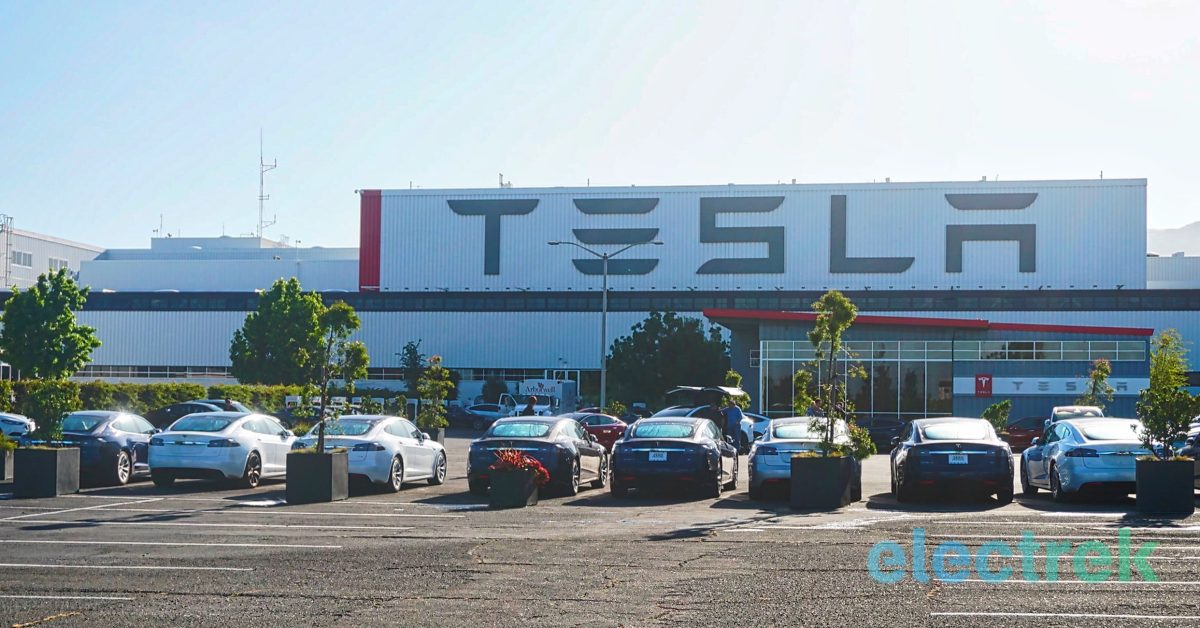
Tesla's Lawyers Misled Witness in Racism Trial
Tesla's ongoing racism trial in California has faced significant setbacks as it was revealed that a…
18h ago
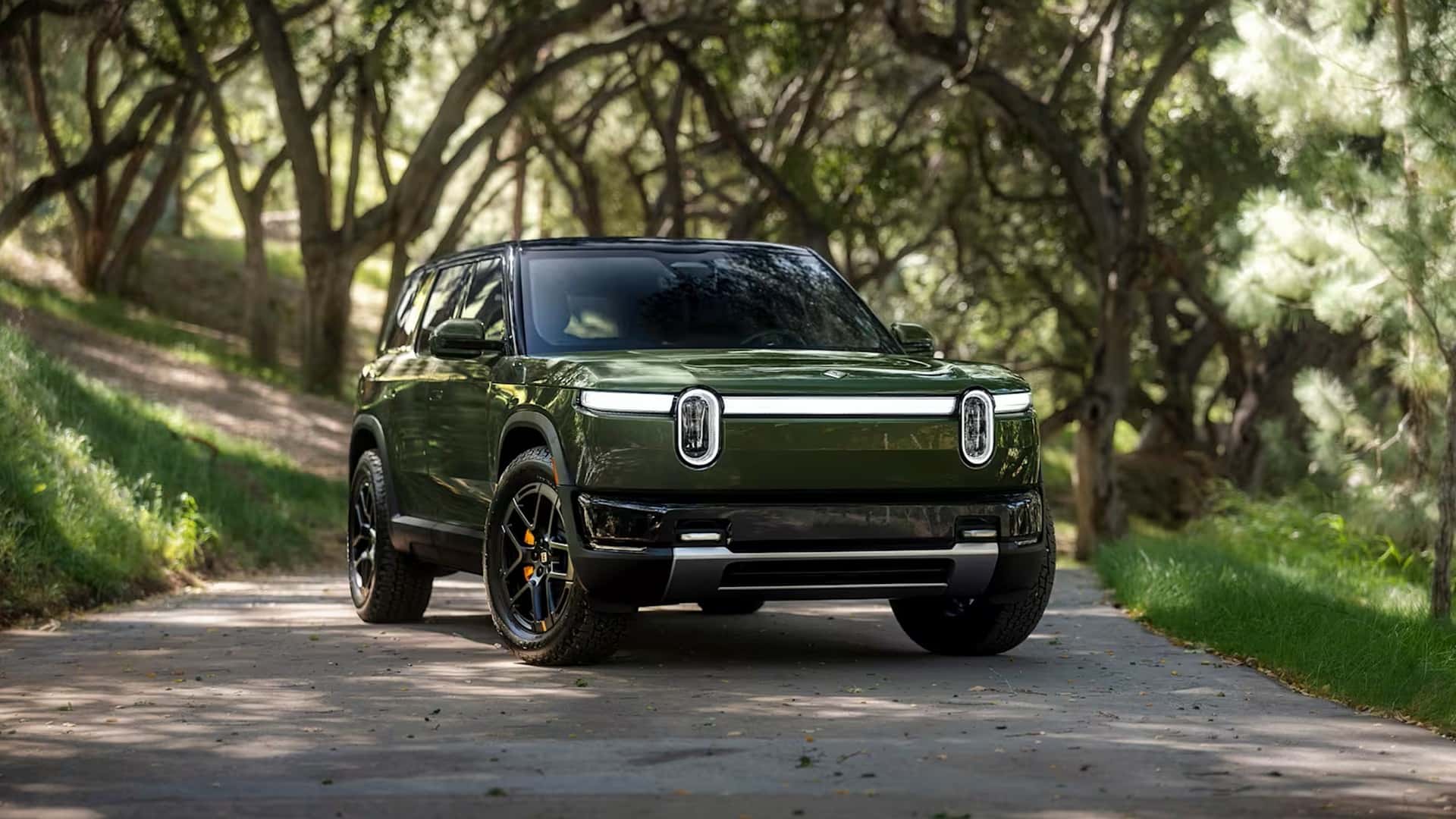
Rivian R2 Faces First Recall Due to Camera Issue
Rivian has issued a recall affecting nearly 99,000 vehicles, including some of its new R2 models,…
18h ago
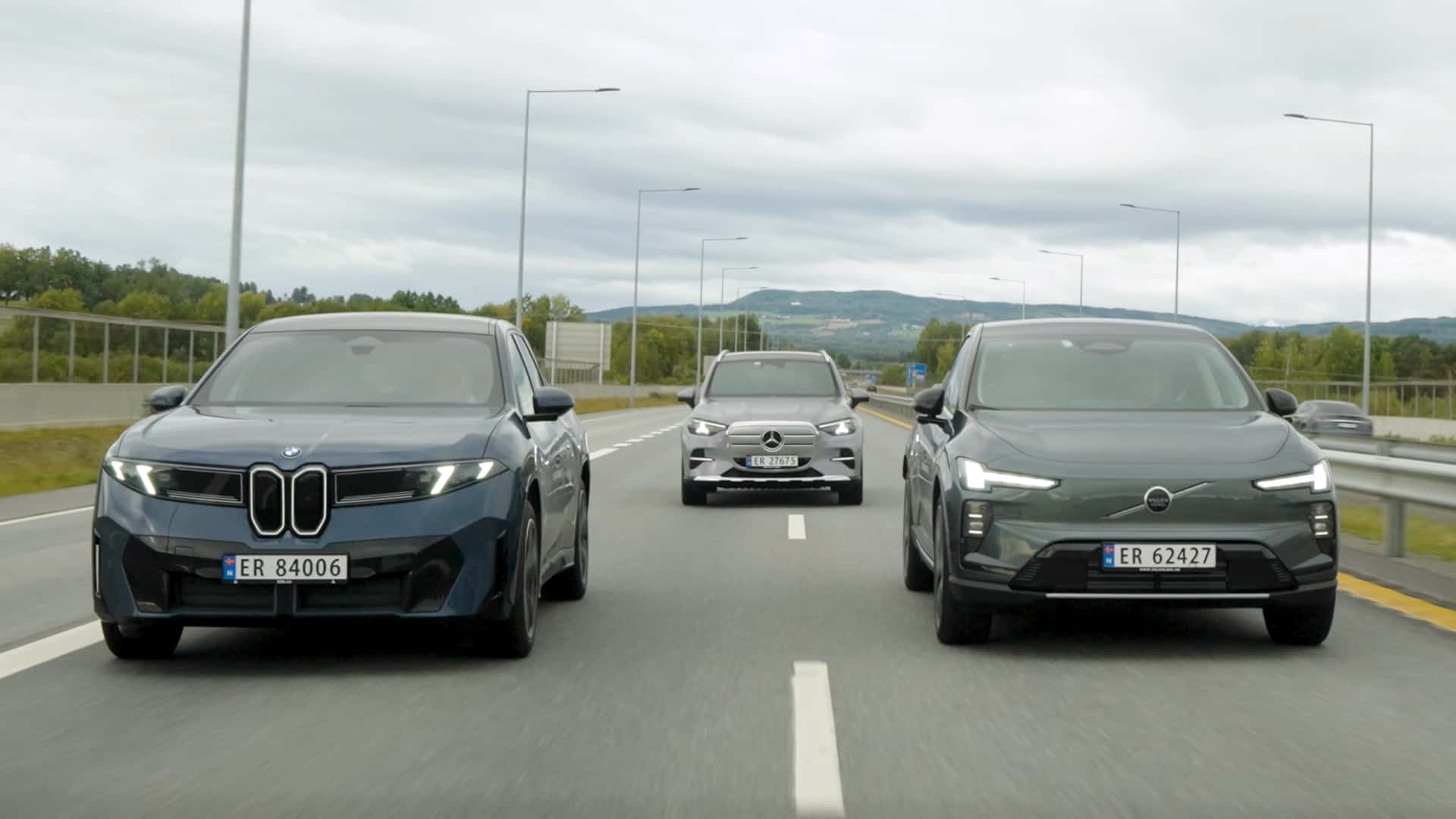
BMW iX3 Outperforms Mercedes GLC and Volvo EX60 in Highway Efficiency Test
In a recent highway test, the BMW iX3 demonstrated superior energy efficiency and range compared to…
1d ago
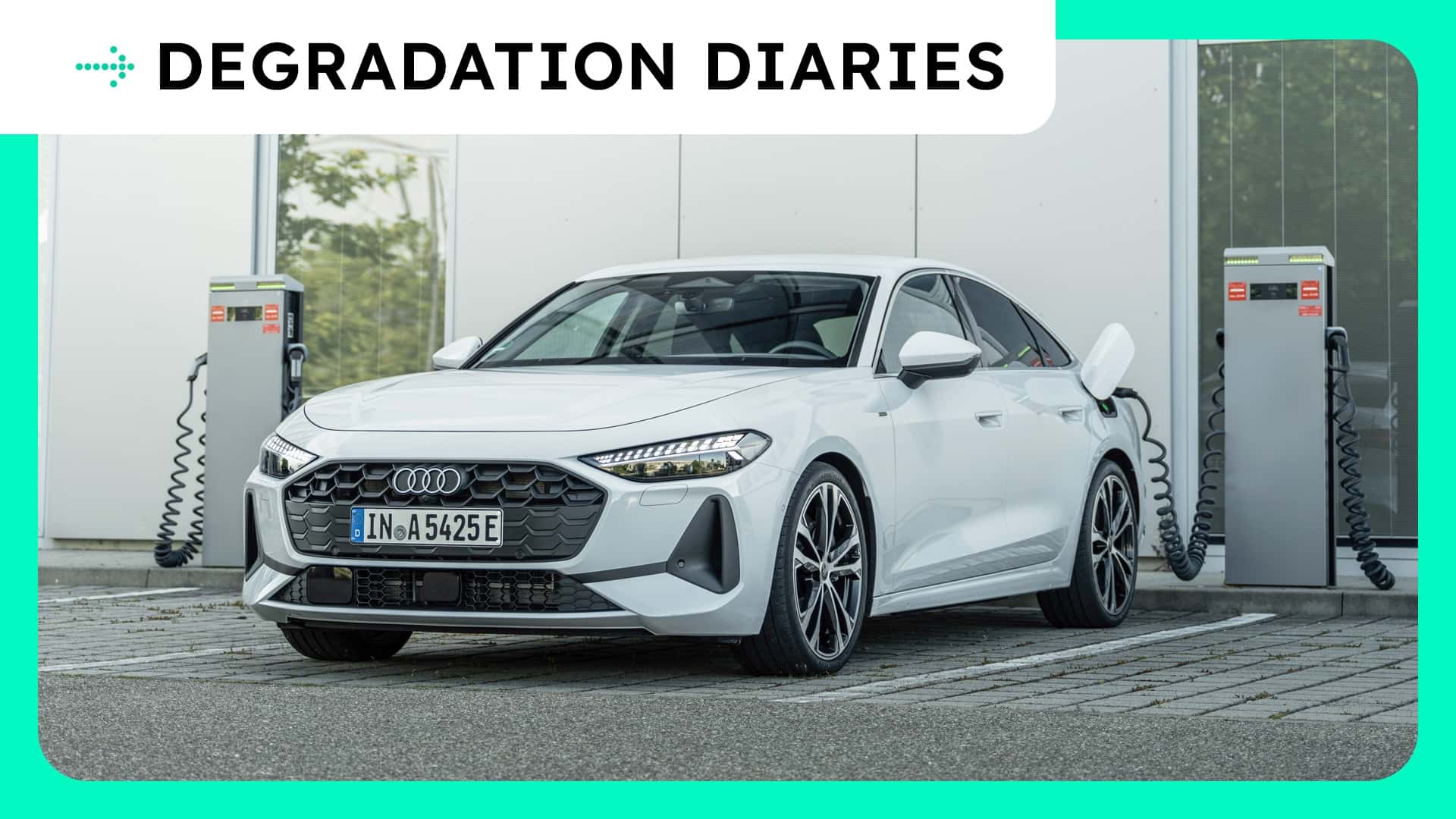
PHEV Batteries Show Resilience Despite Frequent Cycling
Plug-in hybrid electric vehicles (PHEVs) experience more frequent battery cycling than fully…
1d ago