
Global Gas Car Sales Fall Below 50% for the First Time Since the 1920s

Edited by Volta Kessrin
Models, Pricing & Buying
Updated October 6, 2026
3 min read
1 linked source
For the first time since the 1920s, global sales of gas-powered vehicles have dropped below 50%. This decline signals a significant shift in the automotive market, with electric vehicles (EVs) poised to gain a larger share. Experts predict that by 2030, electric cars could dominate the market, although the timeline remains uncertain.
Share this story
Why it matters
- ✓As gas cars become less dominant, EV buyers may benefit from increased availability and potentially lower prices due to heightened competition.
- ✓Charging infrastructure is likely to expand as EV adoption rises, improving access for current and future EV owners.
- ✓The decline of gas vehicles may lead to more incentives and policies favoring electric vehicle ownership.
Global Sales of Gas Cars Decline
For the first time since the 1920s, global sales of gas-powered vehicles have fallen below 50%. This significant milestone indicates a pivotal shift in the automotive landscape, where electric vehicles (EVs) are increasingly taking center stage. According to a report from InsideEVs, experts anticipate that electric cars could dominate the market by 2030, marking a transformative period for both consumers and the automotive industry.
What Changed
The decline in gas vehicle sales reflects a broader trend towards electrification in the automotive sector. As consumers become more environmentally conscious and governments implement stricter emissions regulations, the demand for EVs is on the rise. This shift is further fueled by advancements in EV technology, making electric cars more appealing in terms of performance, range, and affordability.
Why It Matters for Buyers and Owners
-
Increased Availability and Competition: With gas cars losing market share, EV buyers may see a wider selection of electric models and potentially lower prices as manufacturers compete to capture the growing EV market.
-
Expansion of Charging Infrastructure: The rise in EV adoption is likely to spur the development of charging stations, making it easier for current and future EV owners to charge their vehicles conveniently.
-
Incentives for EV Ownership: As gas vehicles decline, governments may introduce more incentives and policies to encourage electric vehicle ownership, further enhancing the financial viability of switching to an EV.
Key Details from Source Material
According to the InsideEVs report, the decline of gas cars is a clear signal that the automotive industry is undergoing a significant transformation. Experts suggest that the transition to electric vehicles is not just a trend but a necessary evolution driven by environmental concerns and technological advancements. The report emphasizes that while the timeline for EV dominance is projected for 2030, various factors could influence the pace of this transition.
What to Watch Next
As the automotive landscape continues to evolve, it will be important to monitor several key developments:
- Market Reactions: How manufacturers respond to the declining sales of gas vehicles and whether they increase investments in EV technology and production.
- Government Policies: Any new regulations or incentives aimed at promoting electric vehicles and reducing gas vehicle sales.
- Consumer Trends: Changes in consumer preferences and behaviors regarding vehicle ownership, particularly as more EV options become available.
In conclusion, the decline of gas cars below the 50% mark is a noteworthy development in the automotive industry. As electric vehicles gain traction, buyers and owners can expect a more favorable environment for EV adoption, characterized by increased availability, improved infrastructure, and potential financial incentives.
Sources
These are the documents and reports used to build this brief so readers can verify the story directly.
Reporting notes
EV Signal briefs are written to explain the verified change first, then add the context EV buyers and owners need to understand cost, availability, charging access, eligibility, or ownership impact.
If details are still developing, we try to say what is confirmed, what comes from secondary reporting, and what readers should verify before acting.
Source mix
1 linked source
1 media
Reviewed from: InsideEVs.
Comments
Log in with
Loading comments…
More in Buying

Hyundai CEO Advocates for Level Playing Field Against Chinese EV Imports
Hyundai CEO José Muñoz believes that a balanced market with protective policies can mitigate the…
14h ago
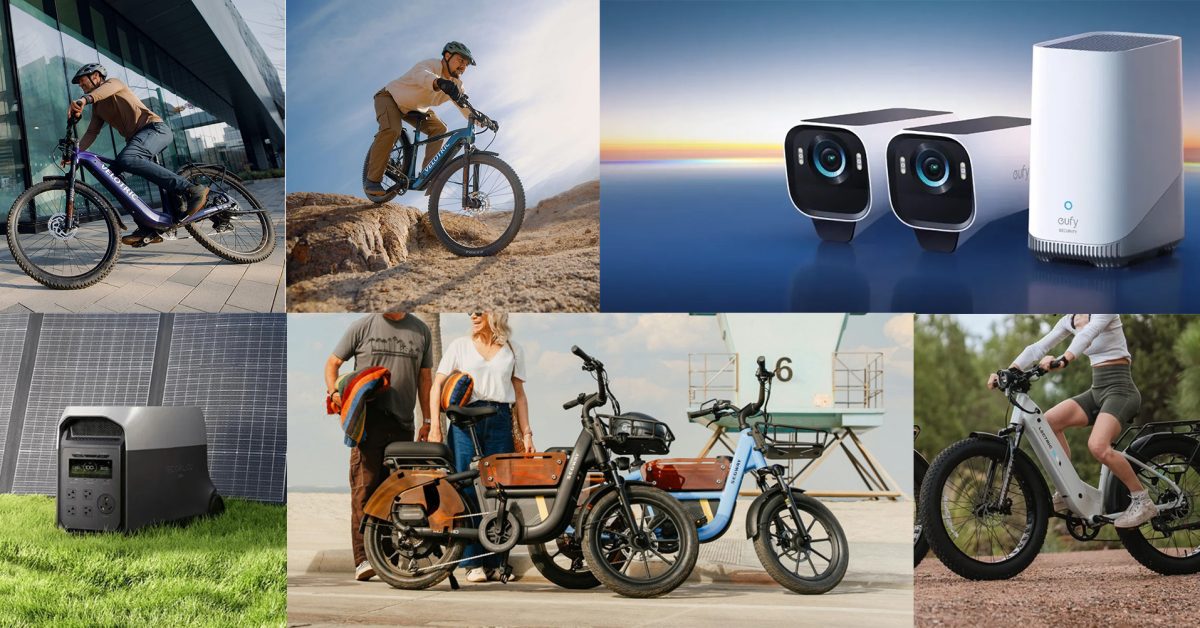
Velotric Summit 2 and Lectric XPeak 2 E-Bikes Receive Significant Discounts
The Velotric Summit 2 Hybrid Mixed-Terrain e-bike is now available for $1,999, marking its first…
14h ago

Amazon Offers $1,500 Gift Card with New Car Purchase During Prime Day
Amazon is offering a $1,500 gift card for customers who purchase a new car through Amazon Autos…
14h ago

VinFast Launches Certified Pre-Owned EV Program in Canada
VinFast has introduced a Certified Pre-Owned (CPO) program in Canada to promote the sale of used…
20h ago