
Global Electric Vehicle Registrations Reach 27% Market Share in August

Edited by Volta Kessrin
Models, Pricing & Buying
Updated October 4, 2026
3 min read
1 linked source
In August, global registrations of plugin vehicles increased by 5% year-over-year, totaling around 1.8 million units. Battery Electric Vehicles (BEVs) saw a 13% increase, while Plug-in Hybrid Electric Vehicles (PHEVs) experienced a decline of 12%. This trend indicates a growing preference for fully electric vehicles over hybrids.
Share this story
Why it matters
- ✓The rise in BEV registrations suggests a broader market shift towards fully electric vehicles, which may lead to increased availability and variety for buyers.
- ✓As BEVs gain popularity, charging infrastructure may expand, improving access for current and prospective EV owners.
- ✓The decline in PHEVs could signal a reduction in incentives or support for hybrid models, affecting buyers considering these vehicles.
Global Electric Vehicle Registrations Reach 27% Market Share in August
In August, the global market for electric vehicles (EVs) saw a significant milestone, with plugin vehicle registrations increasing by 5% year-over-year, culminating in approximately 1.8 million units. This growth is primarily driven by Battery Electric Vehicles (BEVs), which experienced a notable 13% increase in registrations, while Plug-in Hybrid Electric Vehicles (PHEVs) faced a decline of 12%.
What Changed
The latest data indicates a clear shift in consumer preferences towards BEVs, which are now firmly establishing themselves in the market. The contrasting trends between BEVs and PHEVs highlight a potential pivot in the automotive landscape, where fully electric vehicles are gaining traction at the expense of hybrid models. This trend is significant as it reflects changing consumer attitudes towards sustainability and the adoption of cleaner technologies.
Why It Matters for Buyers and Owners
- Market Shift: The increasing popularity of BEVs suggests that buyers may have more options available in the near future, as manufacturers respond to this demand by expanding their electric offerings.
- Charging Infrastructure: As BEVs become more prevalent, there is likely to be an expansion of charging infrastructure, which is crucial for current and prospective EV owners. Improved access to charging stations can alleviate range anxiety and enhance the overall ownership experience.
- Impact on PHEVs: The decline in PHEV registrations may indicate a reduction in incentives or support for these vehicles. Buyers considering hybrids might need to reassess their options, as the market could increasingly favor fully electric models.
Key Details from Source Material
According to CleanTechnica, the overall growth in plugin vehicle registrations reflects a broader trend towards electrification in the automotive sector. The report emphasizes that while BEVs are on the rise, PHEVs are struggling to maintain their market position. This divergence in growth rates could influence manufacturers' strategies moving forward, potentially leading to a decrease in hybrid offerings as companies focus on fully electric models.
What to Watch Next
As the market continues to evolve, it will be essential to monitor the responses from automakers regarding their electric vehicle lineups. Additionally, tracking the development of charging infrastructure will be crucial for understanding how these changes impact the day-to-day experiences of EV owners. Future reports will likely shed more light on how these trends affect pricing, incentives, and the overall availability of electric vehicles in various markets.
In conclusion, the growing dominance of BEVs in the electric vehicle market signifies a pivotal moment for both buyers and manufacturers, as the industry adapts to shifting consumer preferences and regulatory pressures aimed at reducing carbon emissions.
Sources
These are the documents and reports used to build this brief so readers can verify the story directly.
- Top Selling Electric Vehicles in the World — 27% EV Share in August! — CleanTechnicaMEDIA
Reporting notes
EV Signal briefs are written to explain the verified change first, then add the context EV buyers and owners need to understand cost, availability, charging access, eligibility, or ownership impact.
If details are still developing, we try to say what is confirmed, what comes from secondary reporting, and what readers should verify before acting.
Source mix
1 linked source
1 media
Reviewed from: CleanTechnica.
Comments
Log in with
Loading comments…
More in Buying

Chinese EV Brands Expand Presence in Brazil Through Dealer Visits
Chinese electric vehicle (EV) manufacturers, including Leapmotor, BYD, Great Wall Motors, and…
1h ago
October Offers Significant Rebates on Audi, VW, and Porsche EVs Amidst Company Challenges
Volkswagen Group is currently facing challenges including labor disputes and increased competition,…
1h ago

US Q3 2026 EV Sales Report Highlights Mixed Performance
In the third quarter of 2026, US electric vehicle (EV) sales experienced significant fluctuations,…
19h ago
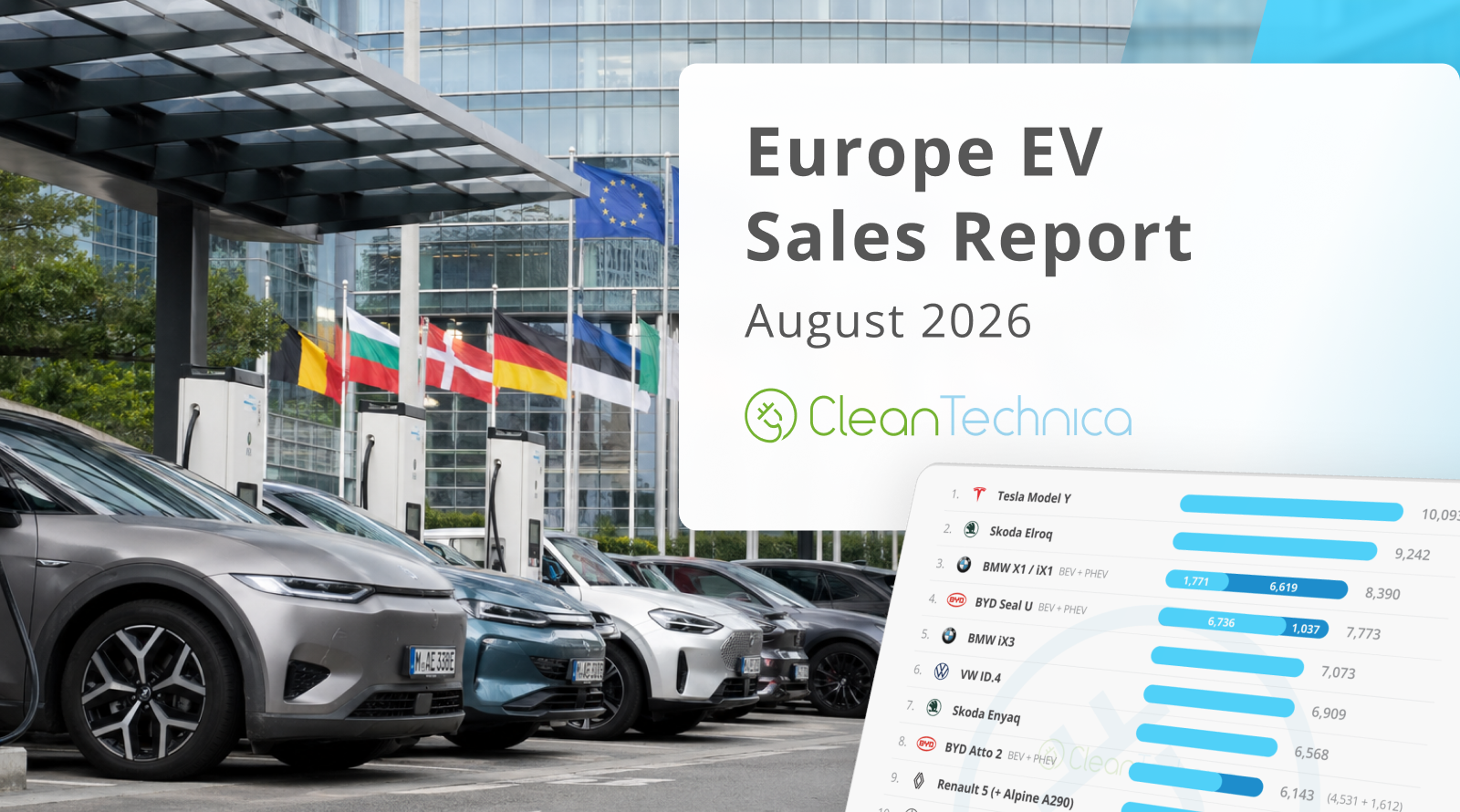
Europe's BEV Market Share Reaches 30% in Record Sales Month
Battery Electric Vehicles (BEVs) in Europe achieved a remarkable 30% market share in August,…
1d ago