
Giga Berlin Workers Reject Union Representation Amid Controversy
Updated March 26, 2026
3 min read
In a recent election at Tesla's Gigafactory Berlin, support for the IG Metall union dropped significantly from 39.4% to 31.1%. This decline follows a campaign marked by threats and warnings from Tesla management, including a statement from Elon Musk indicating that expansion would halt if the union gained power. The management-aligned 'Giga United' list won 40.4% of the vote, ensuring that the factory remains non-union.
Share this story
Why it matters
- ✓The outcome may affect labor relations and working conditions at Tesla's Giga Berlin, which could influence production efficiency and employee satisfaction.
- ✓A non-union status may impact Tesla's ability to attract workers who prioritize union representation and collective bargaining.
- ✓The situation at Giga Berlin could set a precedent for other EV manufacturers regarding unionization efforts in the industry.
Reporting notes
EV Signal briefs are written to explain the verified change first, then add the context EV buyers and owners need to understand cost, availability, charging access, eligibility, or ownership impact.
If details are still developing, we try to say what is confirmed, what comes from secondary reporting, and what readers should verify before acting.
Source mix
Source links were not attached to this brief. We still expect the article to stay factual and reviewable before publication.
Giga Berlin Workers Reject Union Representation Amid Controversy
In a significant development for Tesla's Gigafactory Berlin, the recent works council election revealed a substantial decline in support for the IG Metall union. The vote share for the union dropped from 39.4% to just 31.1%, a decrease of 8 percentage points that has raised concerns about labor relations at one of Tesla's key production facilities.
Election Results and Context
The election concluded with the management-aligned 'Giga United' list securing 40.4% of the vote, which allowed them to maintain control over the works council. This result ensures that Germany's only non-union auto plant remains that way, a situation that has drawn attention from labor advocates and industry observers alike.
The election campaign was marked by a series of contentious events, including reported threats from Tesla management and police involvement, which some workers interpreted as intimidation. Notably, Elon Musk himself issued a warning that Tesla would halt its expansion plans if the union gained influence, a statement that many believe contributed to the decline in union support.
Implications for Workers and the EV Industry
The implications of this election are multifaceted. For workers at Giga Berlin, the rejection of union representation may mean a continuation of the current labor conditions without the protections and benefits that unions typically advocate for. This could affect job security, wages, and working conditions, as unions often play a critical role in negotiating these aspects on behalf of employees.
From a broader perspective, the outcome at Giga Berlin could influence other electric vehicle manufacturers and their approach to labor relations. As the EV market continues to expand, the dynamics between management and labor will be crucial in shaping the industry's future. Companies may look to Tesla's experience as a case study on the impact of unionization efforts and management strategies in a rapidly evolving market.
Conclusion
The recent election results at Tesla's Gigafactory Berlin highlight the ongoing tensions between labor rights and corporate management in the EV industry. As Tesla continues to grow and expand its operations, the decisions made regarding labor relations will likely have lasting effects on its workforce and the broader landscape of electric vehicle manufacturing. The situation at Giga Berlin serves as a reminder of the complexities involved in balancing employee rights with corporate objectives in a competitive market.
Comments
Log in with
Loading comments…
More in Ownership
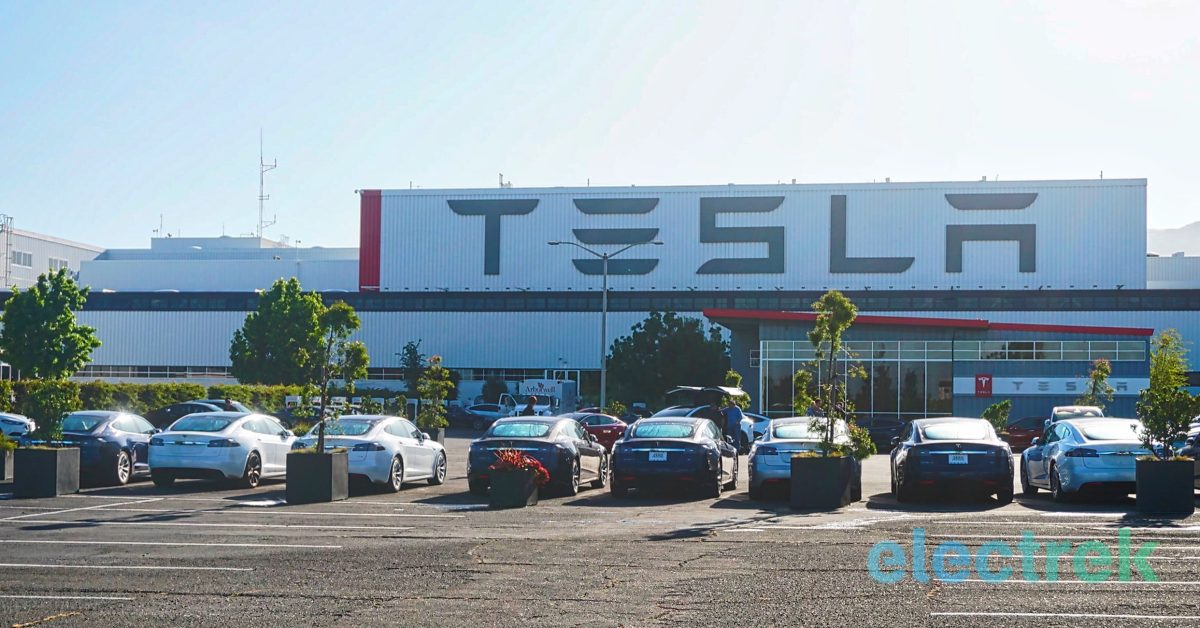
Tesla's Lawyers Misled Witness in Racism Trial
Tesla's ongoing racism trial in California has faced significant setbacks as it was revealed that a…
19h ago

Rivian R2 Faces First Recall Due to Camera Issue
Rivian has issued a recall affecting nearly 99,000 vehicles, including some of its new R2 models,…
19h ago
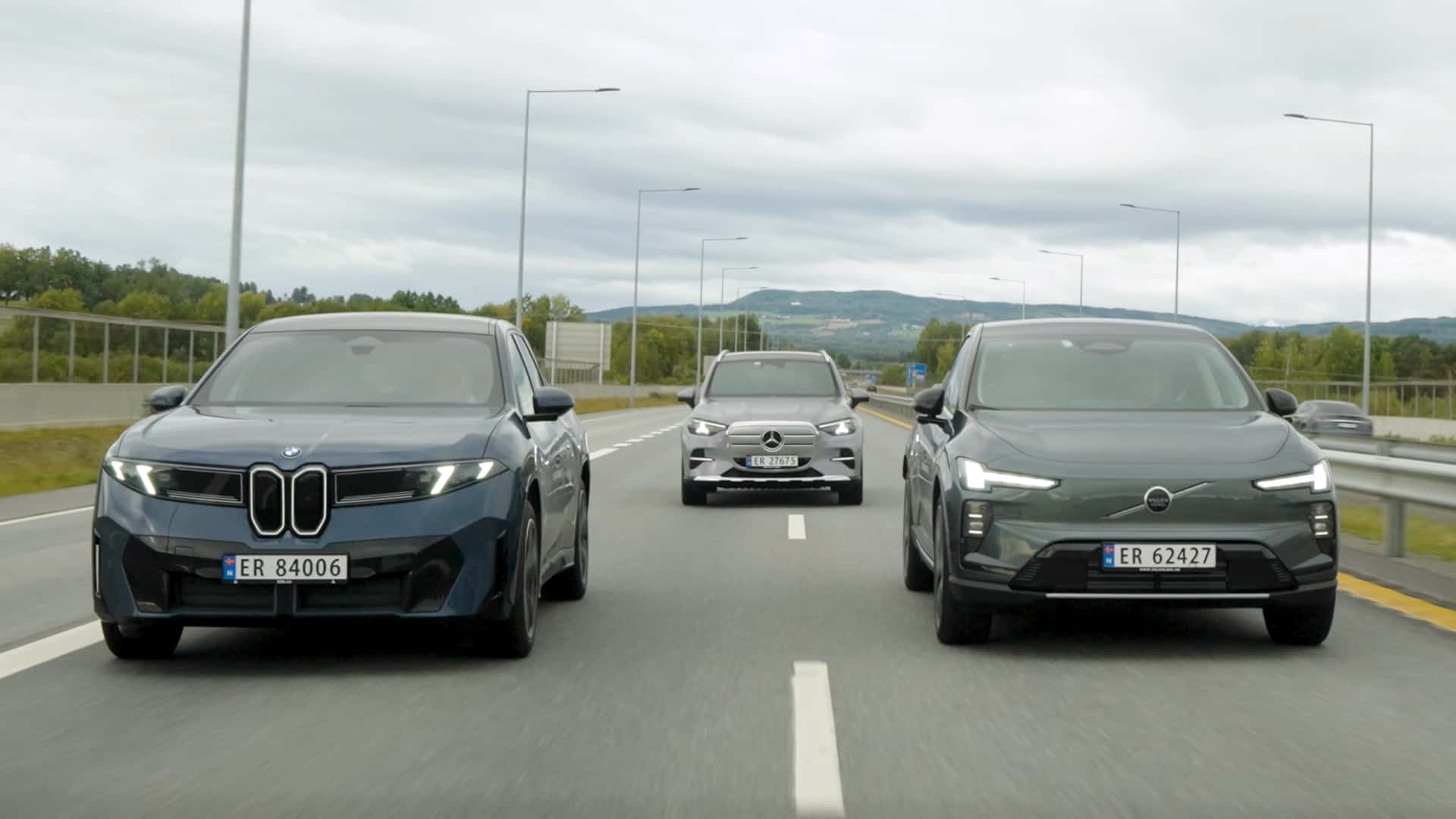
BMW iX3 Outperforms Mercedes GLC and Volvo EX60 in Highway Efficiency Test
In a recent highway test, the BMW iX3 demonstrated superior energy efficiency and range compared to…
1d ago
PHEV Batteries Show Resilience Despite Frequent Cycling
Plug-in hybrid electric vehicles (PHEVs) experience more frequent battery cycling than fully…
1d ago