Germany to Support Tesla's FSD in EU Vote If Renamed

Edited by Dash Coilwright
Incentives & Software
Updated October 7, 2026
3 min read
1 linked source
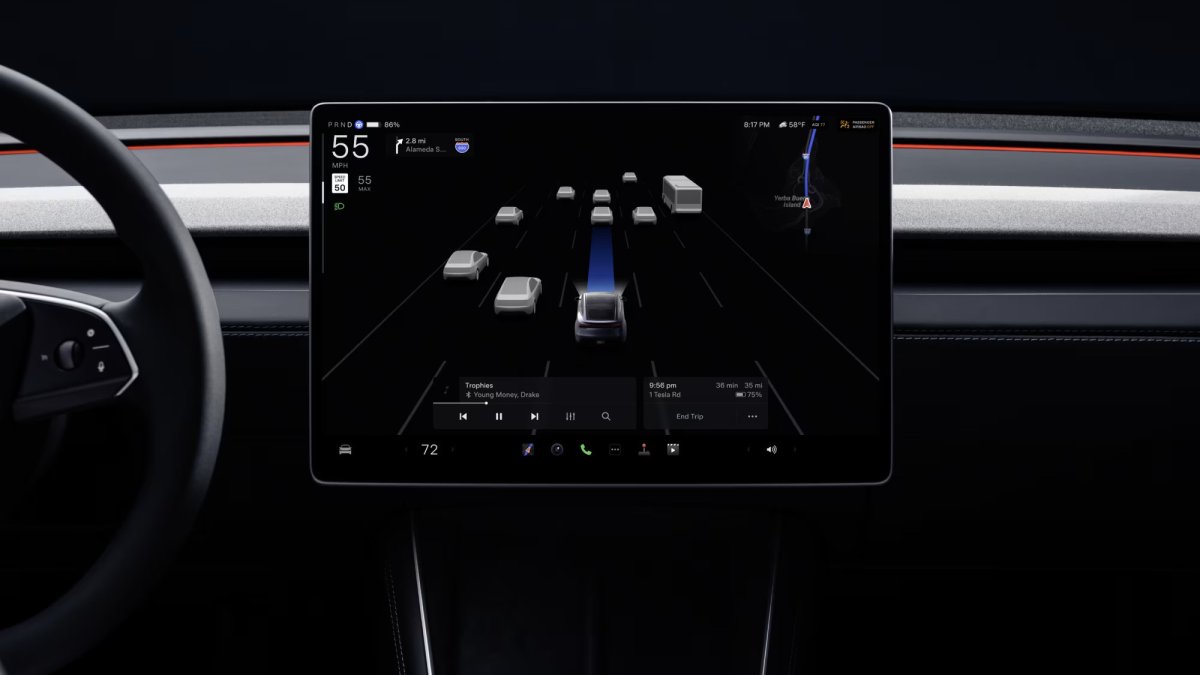
Germany has announced it will support the European Union's approval of Tesla's Full Self-Driving (FSD) technology, provided the feature is renamed to 'Tesla Assisted Driving' and includes a limitation on speeding of 10%. This decision comes ahead of a crucial EU vote scheduled for December. The proposed changes aim to address regulatory concerns regarding the safety and implications of autonomous driving technologies.
Share this story
Why it matters
- ✓If approved, the renaming and limitations could enhance the perception of Tesla's FSD technology, potentially increasing consumer confidence.
- ✓The changes may impact how Tesla markets its FSD features in Europe, influencing buyer decisions and ownership experiences.
- ✓Limiting speeding to 10% could affect the functionality of the FSD system, which may alter day-to-day driving experiences for users.
Germany's Conditional Support for Tesla's FSD
Germany has stated it will support the European Union's approval of Tesla's Full Self-Driving (FSD) technology, contingent upon a significant change: the feature must be renamed to 'Tesla Assisted Driving' and must include a restriction that limits speeding to 10%. This announcement comes as the EU prepares for a vote in December regarding the approval of advanced autonomous driving technologies.
What Changed
The key change is Germany's conditional backing of Tesla's FSD, which has faced scrutiny and regulatory challenges in Europe. The proposed name change to 'Tesla Assisted Driving' aims to clarify the technology's capabilities and limitations, potentially addressing safety concerns raised by regulators and the public. The additional stipulation of limiting speeding to 10% is intended to enhance safety measures associated with the use of the technology.
Why It Matters for Buyers and Owners
- Consumer Confidence: If the EU approves the renamed feature, it could bolster consumer confidence in Tesla's autonomous driving capabilities, making it more appealing to potential buyers.
- Marketing and Usage: The renaming and restrictions may change how Tesla markets its FSD features in Europe, which could influence buyer decisions and the overall ownership experience.
- Driving Experience: The 10% speeding limitation may affect the functionality of the FSD system, potentially altering how users interact with the technology on a day-to-day basis.
Key Details from Source Material
According to the report from Not a Tesla App, Germany's support hinges on these specific changes, which are designed to address regulatory concerns about the safety and effectiveness of autonomous driving. The EU vote in December will be critical in determining the future of Tesla's FSD in the European market. The outcome could have significant implications for Tesla's operations and the broader acceptance of autonomous driving technologies in Europe.
What to Watch Next
As the December vote approaches, it will be important to monitor any further developments regarding the EU's stance on autonomous driving technologies and how other member states respond to Germany's conditions. Additionally, Tesla's response to these changes and how they plan to implement them will be crucial for current and prospective owners of Tesla vehicles in Europe. Keep an eye on updates regarding the final decision from the EU and any potential adjustments Tesla may make to its FSD offerings in light of these developments.
Sources
These are the documents and reports used to build this brief so readers can verify the story directly.
- Germany Will Support FSD in EU Vote If Tesla Renames It — Not a Tesla AppMEDIA
Reporting notes
EV Signal briefs are written to explain the verified change first, then add the context EV buyers and owners need to understand cost, availability, charging access, eligibility, or ownership impact.
If details are still developing, we try to say what is confirmed, what comes from secondary reporting, and what readers should verify before acting.
Source mix
1 linked source
1 media
Reviewed from: Not a Tesla App.
Comments
Log in with
Loading comments…
More in Software
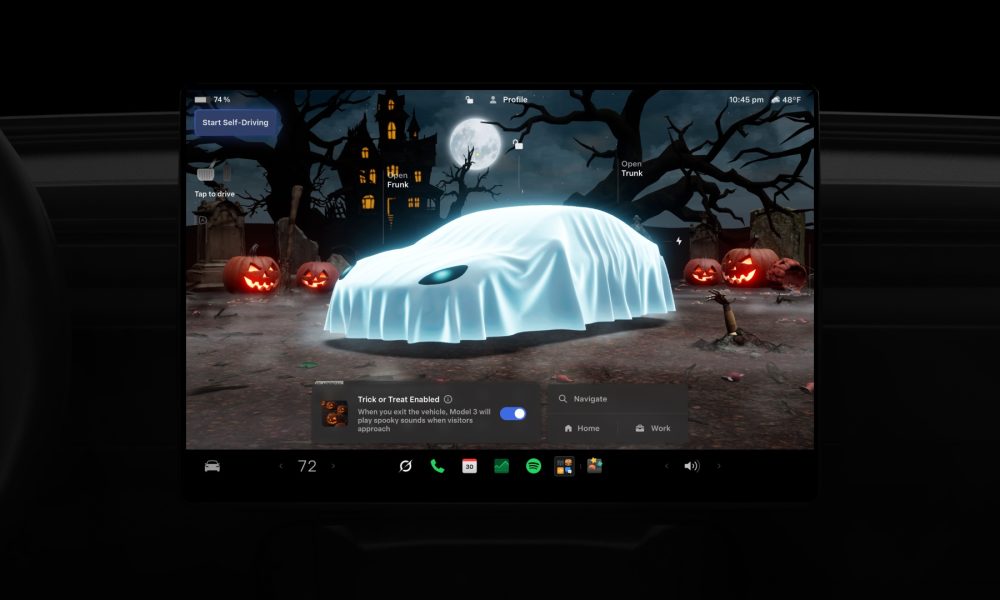
Tesla Introduces Halloween Mode with Spooky Features
Tesla has begun rolling out a new 'Halloween Mode' that transforms its vehicles into a haunted…
1h ago
Tesla Releases Halloween Mode in Software Update 2026.38.3
Tesla's latest software update, version 2026.38.3, introduces a new Halloween Mode feature. This…
1h ago
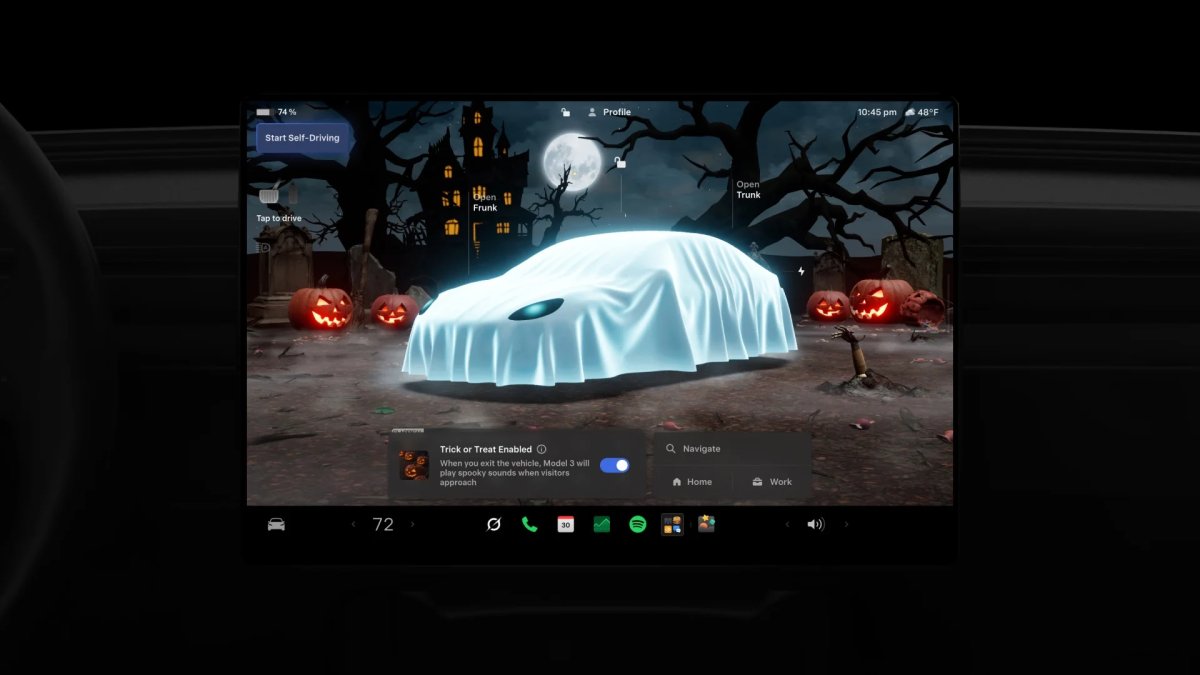
Tesla Introduces Halloween Mode in Software Update 2026.38.3
Tesla has rolled out a new Halloween Mode with its software update 2026.38.3, which includes…
1h ago
Tesla Robotaxi Service Hours Extended to 11 PM
Tesla has announced an extension of its Robotaxi service hours, now operating until 11 PM, an hour…
1d ago