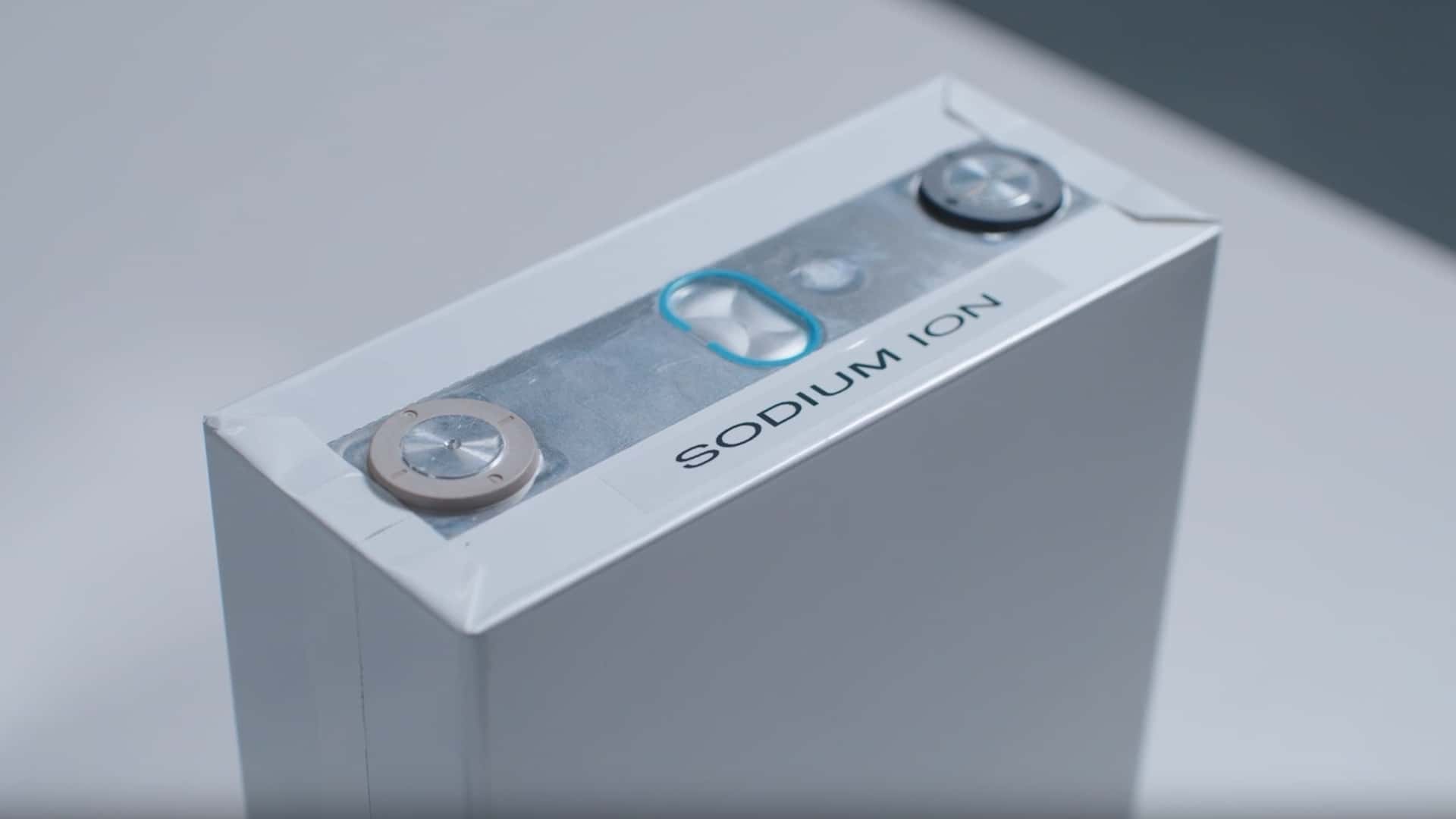
General Motors to Launch Sodium-Ion Battery Production in the U.S.
Updated June 10, 2026
3 min read
1 linked source
General Motors (GM) is set to begin production of sodium-ion batteries in America, expanding its battery technology portfolio beyond lithium iron phosphate (LFP) and lithium manganese rich (LMR) chemistries. This move aims to enhance the company's battery offerings for electric vehicles (EVs), although specific details regarding production timelines and vehicle integration remain unclear.
Share this story
Why it matters
- ✓Sodium-ion batteries could potentially lower production costs, impacting the overall price of EVs for consumers.
- ✓The introduction of this battery type may increase the availability of EVs as GM diversifies its battery supply chain.
- ✓The performance and charging characteristics of sodium-ion batteries compared to traditional lithium-ion batteries are still uncertain.
Reporting notes
EV Signal briefs are written to explain the verified change first, then add the context EV buyers and owners need to understand cost, availability, charging access, eligibility, or ownership impact.
If details are still developing, we try to say what is confirmed, what comes from secondary reporting, and what readers should verify before acting.
Source mix
1 linked source
1 media
Reviewed from: InsideEVs.
General Motors to Launch Sodium-Ion Battery Production in the U.S.
General Motors (GM) has announced plans to initiate production of sodium-ion batteries in the United States, marking a significant expansion in its battery technology offerings. This new battery chemistry will complement GM's existing lithium iron phosphate (LFP) and lithium manganese rich (LMR) batteries, as the automaker seeks to diversify its battery supply and enhance its electric vehicle (EV) lineup.
What Changed
The key development is GM's commitment to sodium-ion battery production, which is expected to take place in America. Sodium-ion batteries are considered an alternative to traditional lithium-ion batteries, potentially offering advantages in terms of cost and resource availability. However, the specific timeline for production and the integration of these batteries into GM's EVs have not yet been disclosed.
Why It Matters for Buyers and Owners
The introduction of sodium-ion batteries could have several implications for EV buyers and owners:
- Cost Reduction: If sodium-ion batteries prove to be less expensive to produce than lithium-ion batteries, this could lead to lower prices for electric vehicles, making them more accessible to a broader audience.
- Increased Availability: By diversifying its battery technology, GM may improve its supply chain resilience, potentially leading to a greater availability of EV models in the market.
- Performance Uncertainty: While sodium-ion batteries may offer cost benefits, their performance characteristics, including energy density and charging speed, are still under evaluation. This uncertainty could affect consumer confidence in adopting vehicles equipped with this new technology.
Key Details from Source Material
According to InsideEVs, GM's move into sodium-ion battery production follows its previous investments in LFP and LMR technologies. The automaker is betting on sodium-ion batteries as a viable alternative, but it remains to be seen how these batteries will perform in real-world applications compared to existing lithium-ion options. The announcement does not provide specific details on the production capacity or the first models that will utilize sodium-ion batteries.
What to Watch Next
As GM progresses with its sodium-ion battery production, stakeholders should keep an eye on several key developments:
- Production Timeline: Updates on when GM expects to start producing sodium-ion batteries and how quickly they can be integrated into new EV models.
- Performance Testing: Information on how sodium-ion batteries perform in terms of range, charging times, and overall efficiency compared to lithium-ion batteries.
- Market Response: Consumer and industry reactions to the introduction of sodium-ion batteries, including any changes in EV pricing and availability.
In conclusion, GM's foray into sodium-ion battery production represents a noteworthy shift in the EV landscape. While it holds promise for cost savings and increased availability, the actual impact on consumers will depend on the performance and integration of this new battery technology.
Sources
These are the documents and reports used to build this brief so readers can verify the story directly.
- General Motors Is Bringing Sodium-Ion Battery Production To America — InsideEVsMEDIA
Comments
Log in with
Loading comments…
More in Ownership
Tesla's Lawyers Misled Witness in Racism Trial
Tesla's ongoing racism trial in California has faced significant setbacks as it was revealed that a…
18h ago
Rivian R2 Faces First Recall Due to Camera Issue
Rivian has issued a recall affecting nearly 99,000 vehicles, including some of its new R2 models,…
18h ago
BMW iX3 Outperforms Mercedes GLC and Volvo EX60 in Highway Efficiency Test
In a recent highway test, the BMW iX3 demonstrated superior energy efficiency and range compared to…
1d ago
PHEV Batteries Show Resilience Despite Frequent Cycling
Plug-in hybrid electric vehicles (PHEVs) experience more frequent battery cycling than fully…
1d ago