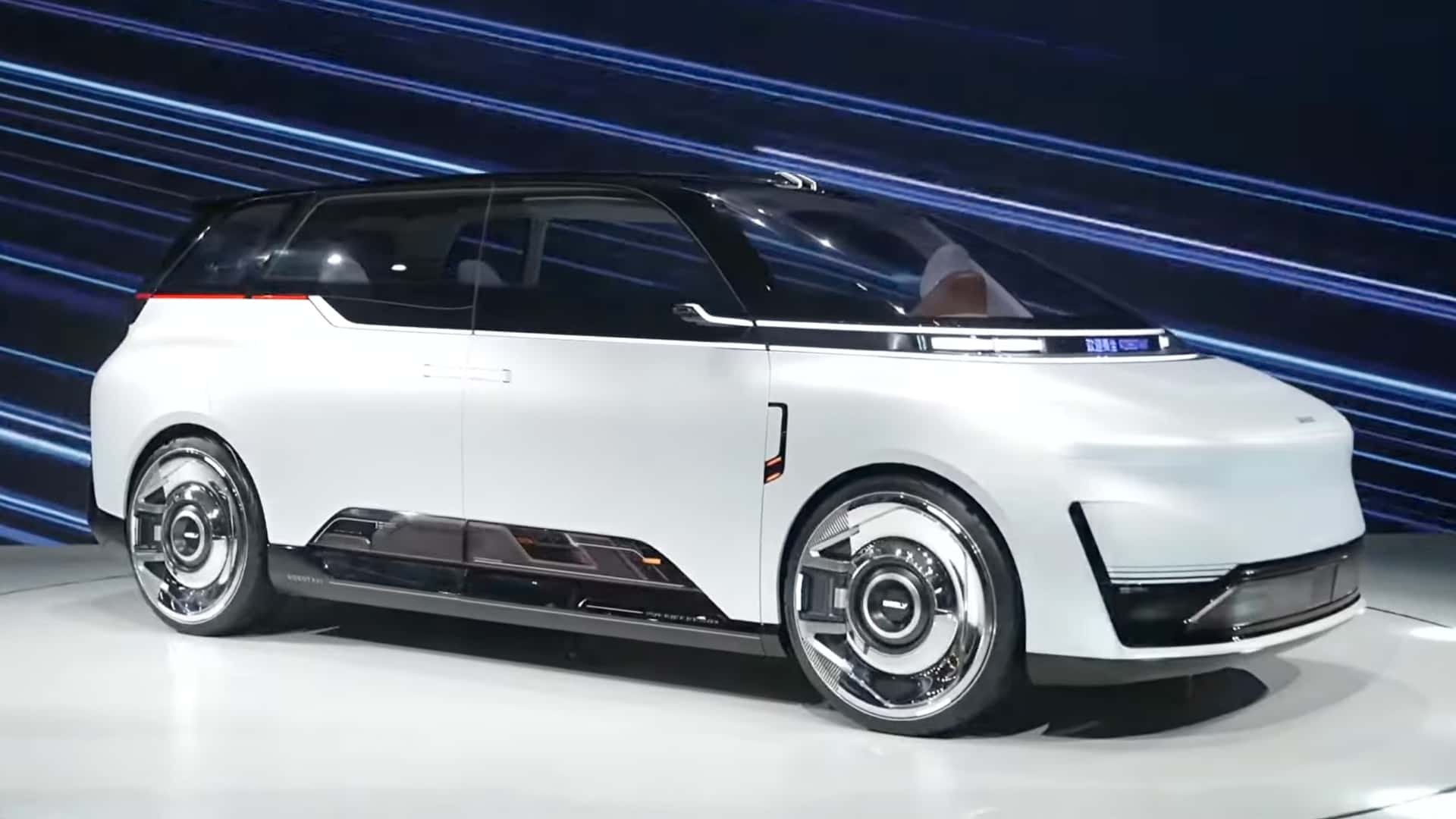
Geely Introduces China's First Purpose-Built Robotaxi, the EVA Cab
Updated April 28, 2026
3 min read
1 linked source
Geely has unveiled the EVA Cab, which it claims is China's first purpose-built robotaxi designed for autonomous fleets. The vehicle notably lacks a steering wheel, emphasizing its intended use in fully automated driving scenarios. However, there are uncertainties regarding its operational capabilities and regulatory approval.
Share this story
Why it matters
- ✓The introduction of the EVA Cab could signal a shift towards more accessible autonomous ride-hailing services in China, potentially affecting pricing and availability for consumers.
- ✓As robotaxis become more prevalent, EV owners might see changes in urban mobility options, impacting their day-to-day transportation choices.
- ✓The lack of a steering wheel raises questions about safety and regulatory compliance, which could affect consumer confidence in autonomous vehicles.
Reporting notes
EV Signal briefs are written to explain the verified change first, then add the context EV buyers and owners need to understand cost, availability, charging access, eligibility, or ownership impact.
If details are still developing, we try to say what is confirmed, what comes from secondary reporting, and what readers should verify before acting.
Source mix
1 linked source
1 media
Reviewed from: InsideEVs.
Geely Introduces China's First Purpose-Built Robotaxi, the EVA Cab
Geely has announced the launch of the EVA Cab, which it claims is China's first purpose-built robotaxi tailored for autonomous driving. This vehicle is designed with the future of urban mobility in mind, featuring a design that completely omits a steering wheel, signaling its intent for use in fully automated fleets.
What Changed
The EVA Cab represents a significant step in the evolution of autonomous vehicles in China. Unlike traditional vehicles, the EVA Cab is engineered specifically for ride-hailing services, focusing on efficiency and safety in urban environments. This development is part of Geely's broader strategy to capitalize on the growing demand for autonomous transportation solutions.
Why It Matters for Buyers/Owners
The introduction of the EVA Cab could reshape the landscape of urban transportation in several ways:
- Accessibility of Autonomous Services: If successful, the EVA Cab could lead to more affordable and convenient ride-hailing options for consumers, potentially changing how people navigate cities.
- Impact on EV Ownership: As robotaxis become more common, traditional vehicle ownership might decline, influencing how consumers view their transportation needs and the associated costs.
- Regulatory Considerations: The absence of a steering wheel raises important questions about safety and regulatory approval, which could affect consumer trust in autonomous technology and its adoption.
Key Details from Source Material
According to InsideEVs, the EVA Cab is specifically designed for large-scale deployment in robotaxi fleets, which suggests that Geely is positioning itself as a leader in the autonomous vehicle market. The vehicle's design reflects a focus on maximizing passenger space and comfort while minimizing the complexities associated with human-operated vehicles. However, the article also notes skepticism regarding the claim of being the first purpose-built robotaxi in China, indicating that there may be other contenders in this emerging market.
What to Watch Next
As the EVA Cab moves closer to deployment, it will be crucial to monitor regulatory developments and public reception. Key areas to watch include:
- Regulatory Approval: How local authorities respond to the introduction of the EVA Cab and its compliance with safety standards.
- Public Reception: Consumer attitudes towards autonomous vehicles and their willingness to adopt robotaxi services.
- Market Competition: Other manufacturers may introduce similar vehicles, which could influence Geely's market position and pricing strategies.
In conclusion, while the EVA Cab represents a promising advancement in autonomous vehicle technology, uncertainties remain regarding its operational viability and acceptance in the marketplace. As developments unfold, it will be essential for potential users and stakeholders to stay informed about the implications of this new vehicle on urban mobility.
Sources
These are the documents and reports used to build this brief so readers can verify the story directly.
Comments
Log in with
Loading comments…
More in Models & Pricing

Renault 8 Gordini Returns as Rear-Wheel Drive EV
Renault has unveiled the return of the iconic Renault 8 Gordini as a rear-wheel drive electric…
Just now
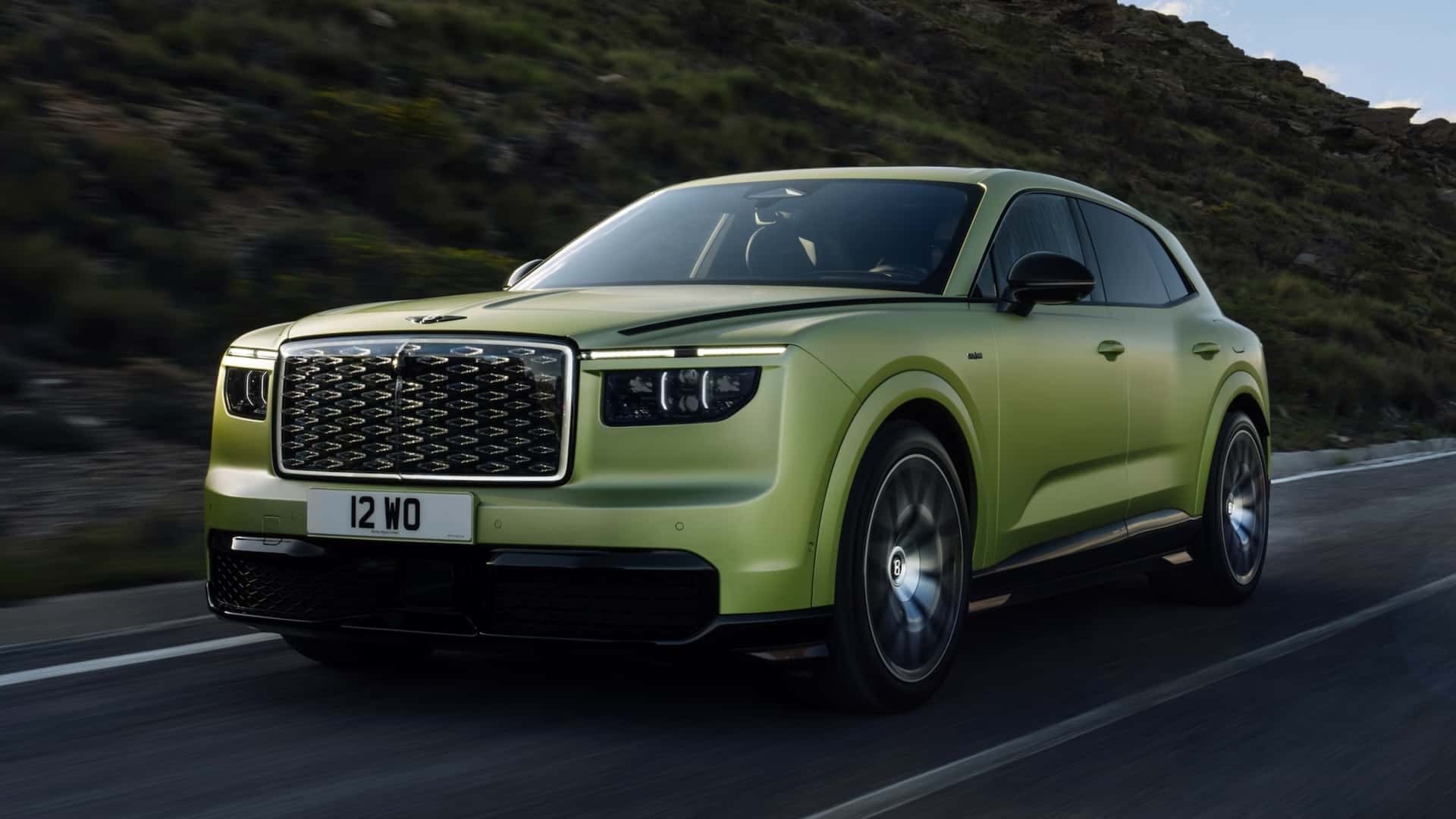
Bentley's First EV, the Torcal, Offers Rapid Charging Capabilities
Bentley has launched its first electric vehicle, the Torcal, a midsize SUV that boasts rapid…
12h ago
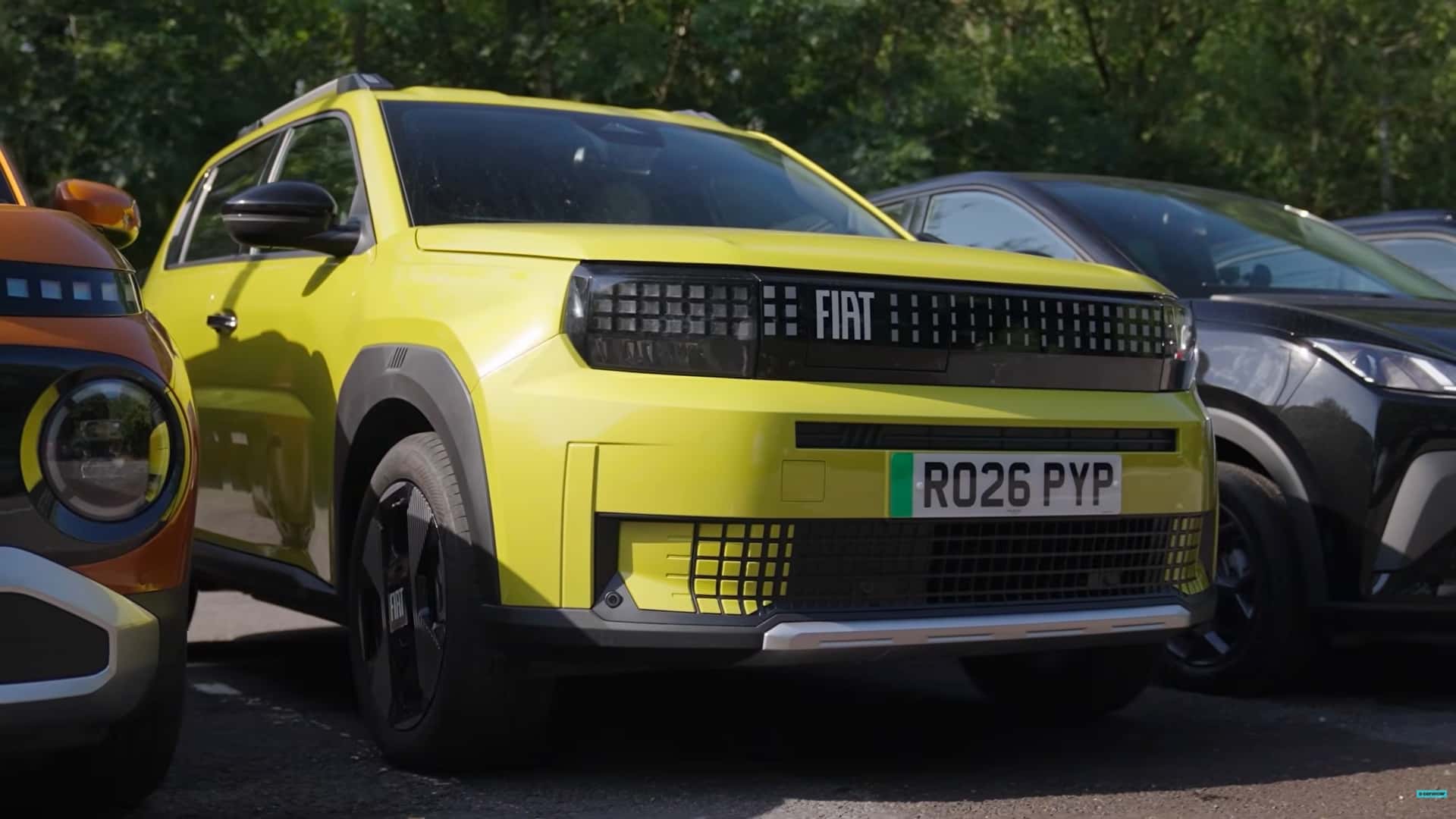
Fiat Grande Panda Outperforms Claimed Range in Real-World Test
In a recent highway range test, the Fiat Grande Panda exceeded its officially claimed range,…
12h ago
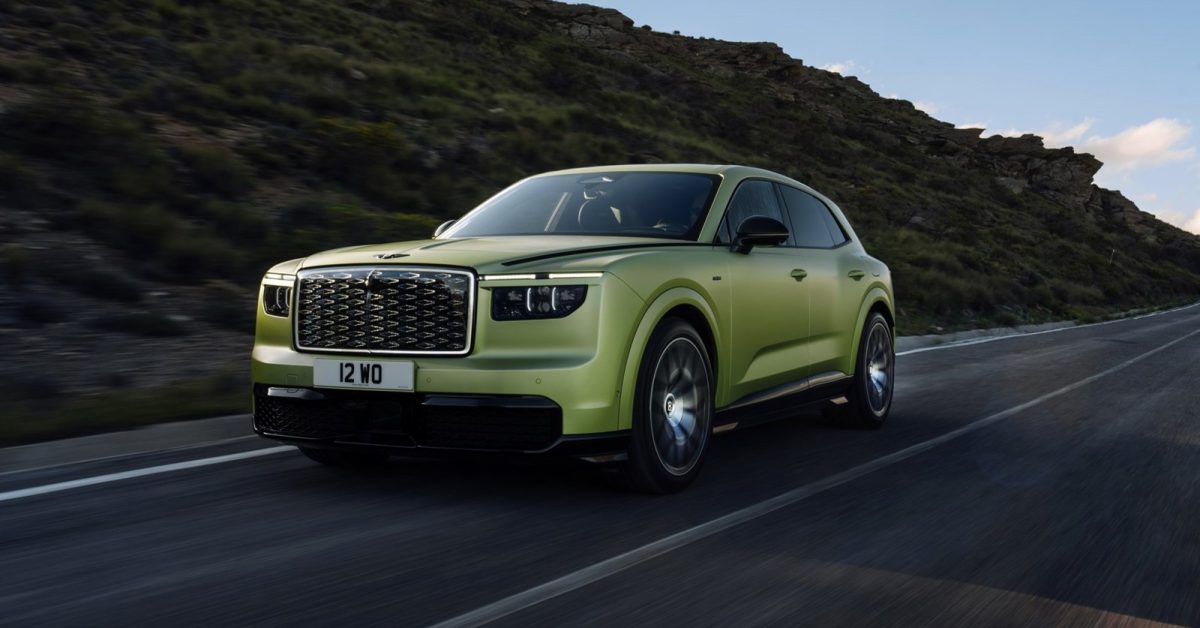
Bentley Launches Torcal, Its First All-Electric SUV
Bentley has officially unveiled the Torcal, marking its entry into the electric vehicle market.…
12h ago