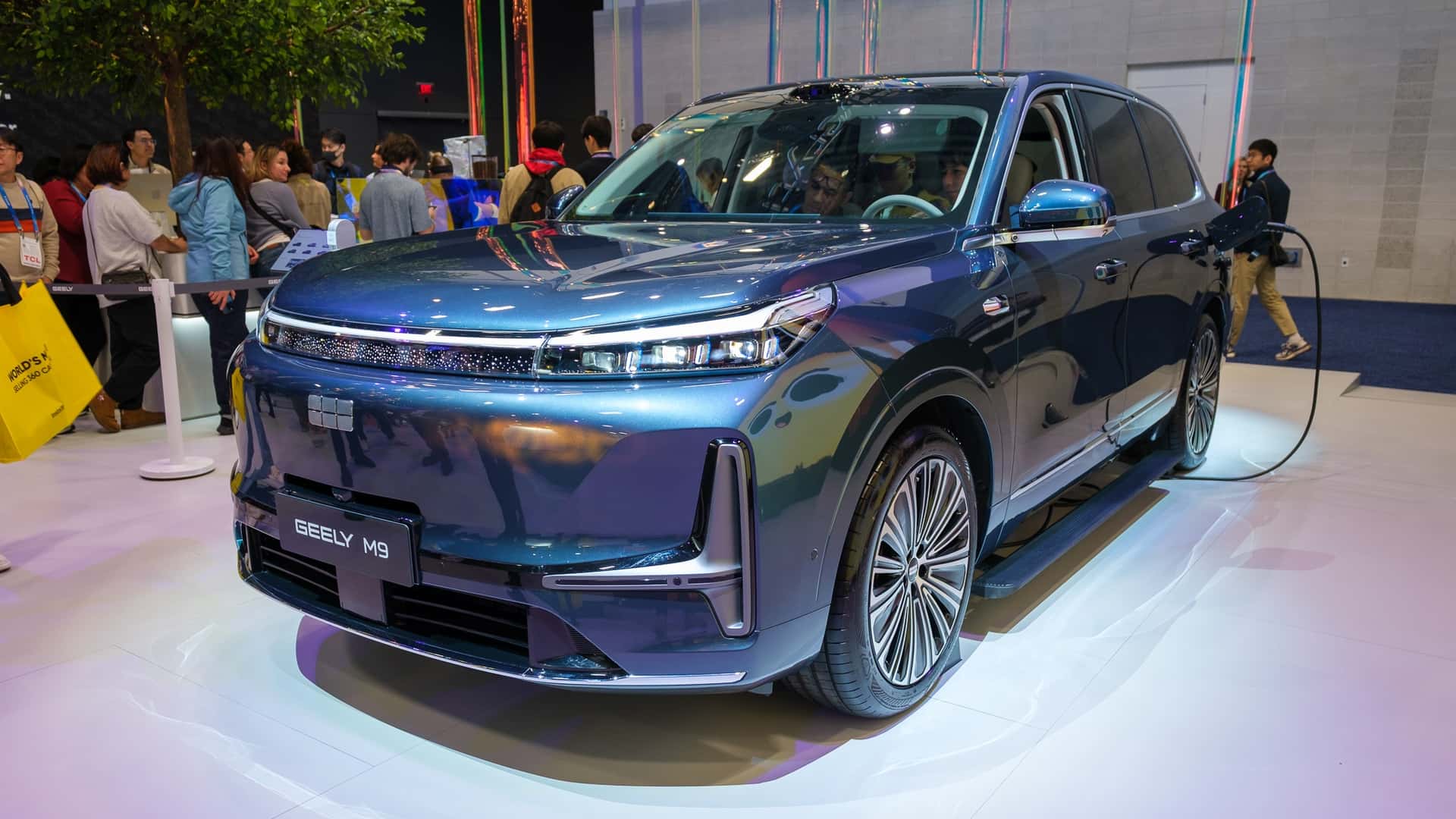
Geely Galaxy M9 PHEV Outperforms U.S. Competitors in New Test
Updated April 3, 2026
3 min read
1 linked source
The Geely Galaxy M9 plug-in hybrid electric vehicle (PHEV) has demonstrated impressive performance metrics in a recent test conducted by Edmunds. The SUV managed to cover 101 miles on electric power alone and accelerated from 0 to 60 mph in just 4.2 seconds, showcasing its capabilities against U.S. competitors.
Share this story
Why it matters
- ✓The performance of the Geely Galaxy M9 indicates that Chinese automakers are increasingly competitive in the U.S. EV market.
- ✓With a range of 101 miles on electric power, the Galaxy M9 may appeal to buyers looking for practical and efficient PHEV options.
- ✓The acceleration speed of 4.2 seconds positions the Galaxy M9 as a strong contender for consumers prioritizing performance in their vehicle choices.
Reporting notes
EV Signal briefs are written to explain the verified change first, then add the context EV buyers and owners need to understand cost, availability, charging access, eligibility, or ownership impact.
If details are still developing, we try to say what is confirmed, what comes from secondary reporting, and what readers should verify before acting.
Source mix
1 linked source
1 media
Reviewed from: InsideEVs.
Geely Galaxy M9 PHEV Outperforms U.S. Competitors in New Test
The automotive landscape in the United States is evolving, particularly with the growing presence of electric vehicles (EVs) and plug-in hybrid electric vehicles (PHEVs). A recent test conducted by Edmunds has highlighted the capabilities of the Geely Galaxy M9, a PHEV from the Chinese automaker Geely, which has shown remarkable performance metrics that could signal a shift in consumer preferences.
Impressive Performance Metrics
The Geely Galaxy M9 has made a strong impression by covering 101 miles on electric power alone. This range is significant for a PHEV, as it allows drivers to complete a substantial portion of their daily commutes without relying on gasoline. Moreover, the vehicle's acceleration from 0 to 60 mph in just 4.2 seconds positions it as a performance-oriented option in the crowded SUV market.
These figures not only showcase the technological advancements made by Geely but also highlight the competitive edge that Chinese manufacturers are beginning to establish in the U.S. market. With increasing consumer interest in EVs and PHEVs, the Galaxy M9's performance could attract buyers who prioritize both efficiency and speed.
Context of the U.S. EV Market
The U.S. electric vehicle market has traditionally been dominated by American and European manufacturers, but the entry of Chinese brands like Geely indicates a shift in dynamics. As consumers become more environmentally conscious and seek alternatives to traditional gasoline vehicles, the demand for efficient and high-performing EVs is on the rise.
Geely's success with the Galaxy M9 may encourage other Chinese automakers to enter the U.S. market, further diversifying the options available to consumers. This could lead to increased competition, potentially driving down prices and improving technology across the board.
Implications for EV Buyers and Owners
For potential EV buyers, the performance of the Geely Galaxy M9 serves as a reminder that there are viable alternatives to traditional U.S. brands. The combination of a significant electric range and rapid acceleration could make the Galaxy M9 an attractive option for those looking to transition to a PHEV without sacrificing performance.
Additionally, the growing presence of Chinese vehicles in the U.S. market may lead to more competitive pricing and better technology offerings as manufacturers strive to win over consumers. As more options become available, buyers will have the opportunity to choose vehicles that best fit their needs and preferences.
Conclusion
The Geely Galaxy M9's impressive performance metrics in the Edmunds test underscore the readiness of Chinese cars to compete in the U.S. market. With its ability to cover 101 miles on electric power and accelerate quickly, the Galaxy M9 could appeal to a wide range of consumers looking for efficient and high-performing vehicles. As the EV landscape continues to evolve, the entry of competitive models like the Galaxy M9 may reshape consumer choices and expectations in the automotive market.
Sources
These are the documents and reports used to build this brief so readers can verify the story directly.
Comments
Log in with
Loading comments…
More in Models & Pricing
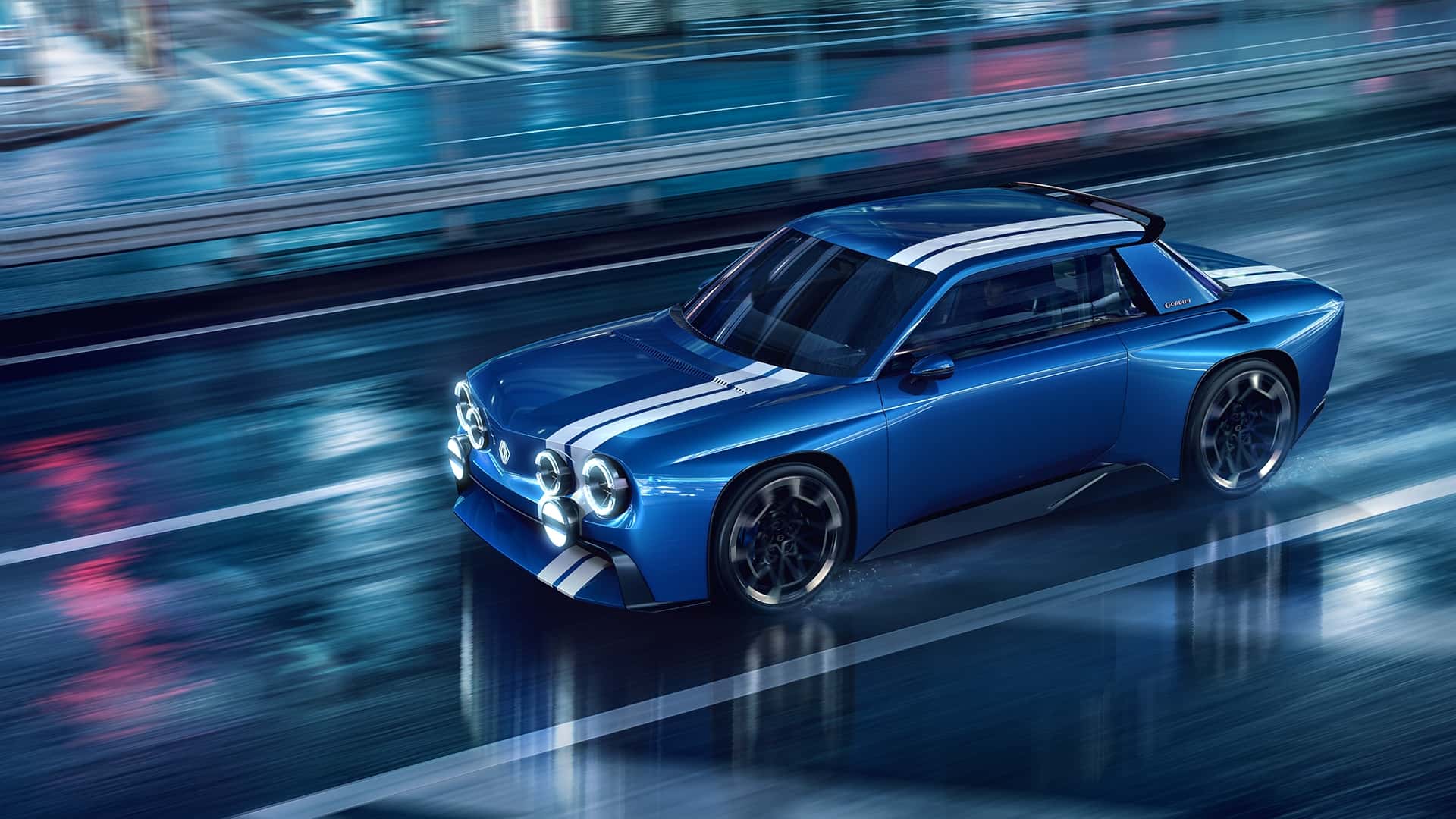
Renault 8 Gordini Returns as Rear-Wheel Drive EV
Renault has unveiled the return of the iconic Renault 8 Gordini as a rear-wheel drive electric…
Just now
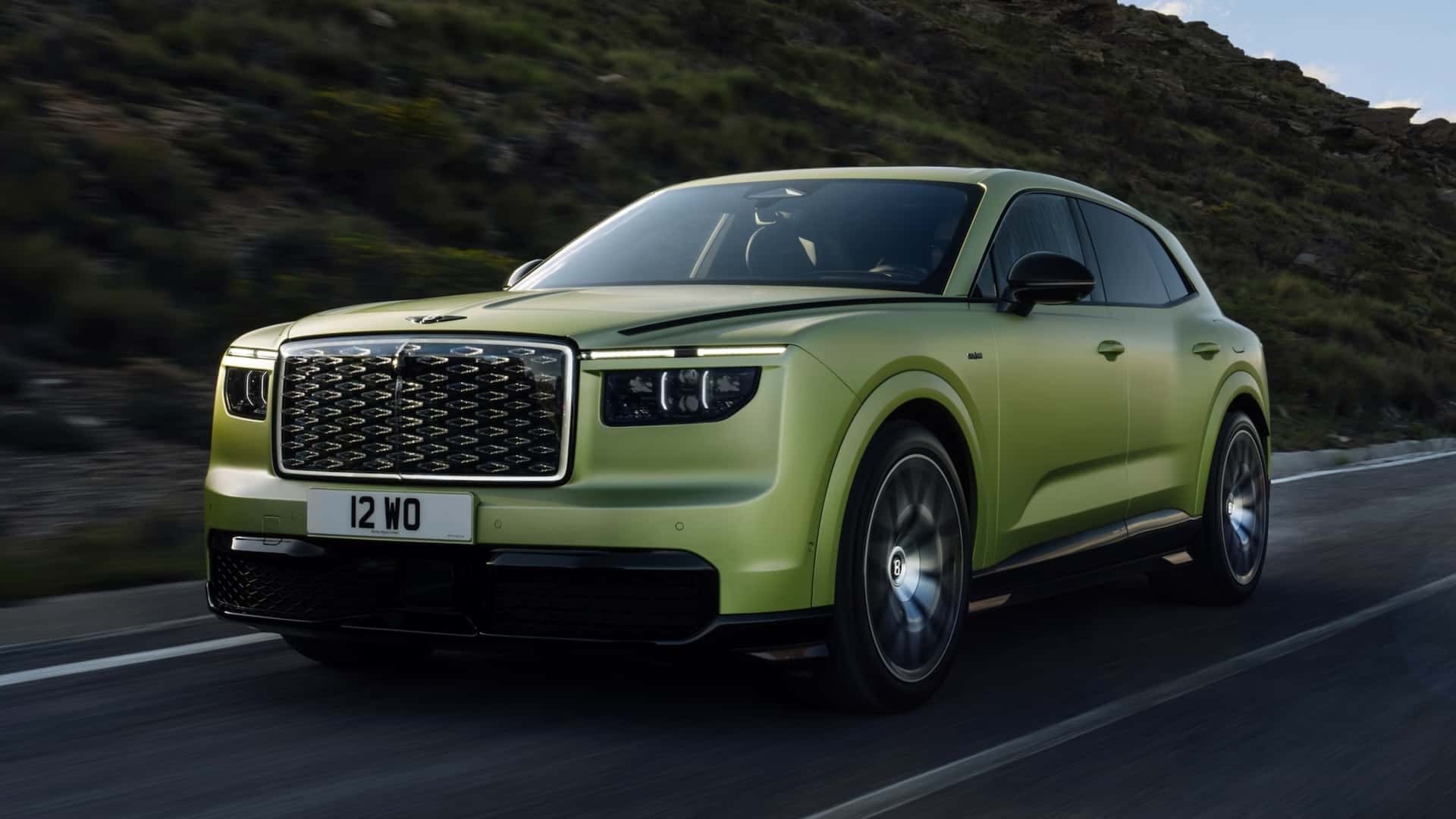
Bentley's First EV, the Torcal, Offers Rapid Charging Capabilities
Bentley has launched its first electric vehicle, the Torcal, a midsize SUV that boasts rapid…
12h ago
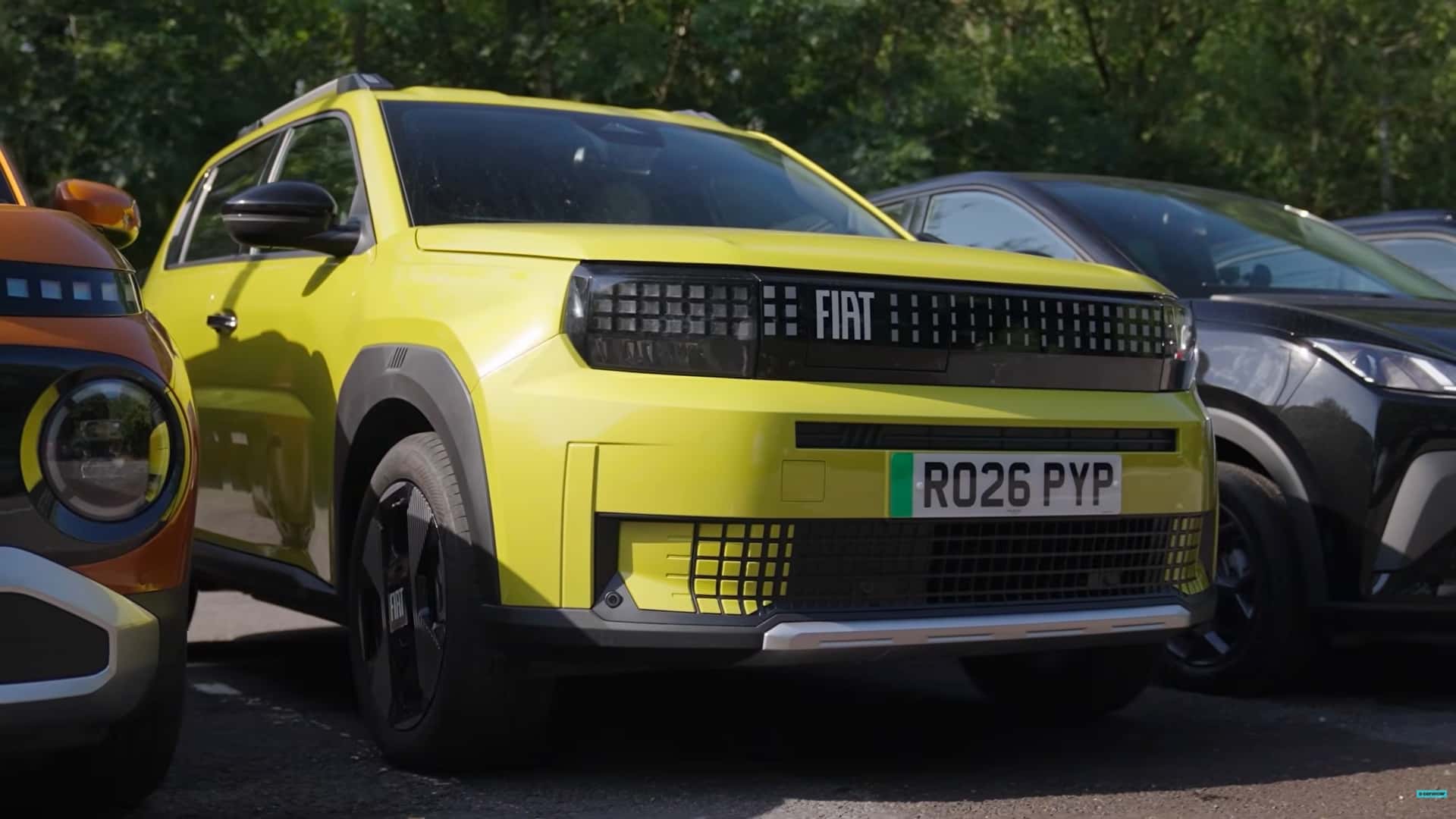
Fiat Grande Panda Outperforms Claimed Range in Real-World Test
In a recent highway range test, the Fiat Grande Panda exceeded its officially claimed range,…
12h ago
Bentley Launches Torcal, Its First All-Electric SUV
Bentley has officially unveiled the Torcal, marking its entry into the electric vehicle market.…
12h ago