
Fortescue Nabrawind Installs Africa's First Crane-less Wind Turbine
Updated June 10, 2026
3 min read
1 linked source
Fortescue's turbine subsidiary Nabrawind has successfully installed a full-scale wind turbine in Namibia without the use of cranes, a feat previously thought impossible. This innovative deployment method allows for wind energy generation in challenging environments, potentially influencing the renewable energy landscape in Africa. However, details on the turbine's operational efficiency and long-term performance remain to be seen.
Share this story
Why it matters
- ✓The deployment of crane-less wind turbines could lead to lower installation costs, which may eventually benefit EV buyers through reduced energy prices.
- ✓Increased renewable energy generation can enhance charging infrastructure reliability, making it easier for EV owners to access clean energy.
- ✓The success of this technology may encourage further investments in renewable energy projects, contributing to a more sustainable energy ecosystem for electric vehicles.
Reporting notes
EV Signal briefs are written to explain the verified change first, then add the context EV buyers and owners need to understand cost, availability, charging access, eligibility, or ownership impact.
If details are still developing, we try to say what is confirmed, what comes from secondary reporting, and what readers should verify before acting.
Source mix
1 linked source
1 media
Reviewed from: Electrek.
Fortescue Nabrawind Installs Africa's First Crane-less Wind Turbine
Fortescue's turbine subsidiary, Nabrawind, has achieved a significant milestone by installing Africa's first full-scale, energy-producing wind turbine without the use of cranes. This groundbreaking deployment took place in Namibia, where the harsh environmental conditions posed challenges that made traditional installation methods impractical. The crane-less approach is a notable advancement in wind energy technology, demonstrating that it is possible to generate renewable energy in difficult settings.
What Changed
The successful installation of a crane-less wind turbine marks a pivotal moment in renewable energy deployment in Africa. This innovative method allows for the construction of wind energy facilities in locations that may have previously been deemed unsuitable due to logistical challenges. The turbine's operational capacity and efficiency in the Namibian environment are yet to be fully assessed, but the initial deployment represents a leap forward in wind energy technology.
Why It Matters for Buyers and Owners
-
Cost Implications: The crane-less installation method could lead to reduced costs for wind energy projects, which may eventually translate to lower energy prices for consumers, including EV buyers.
-
Enhanced Charging Infrastructure: With more renewable energy sources being deployed, the reliability of charging stations powered by wind energy could improve, making it easier for EV owners to access clean energy.
-
Encouragement for Future Projects: The success of this technology may inspire further investments in renewable energy initiatives, fostering a more sustainable energy landscape that benefits electric vehicle users.
Key Details from Source Material
According to Electrek, Fortescue's turbine subsidiary Nabrawind has successfully installed a full-scale wind turbine in Namibia using a new crane-less deployment process. This achievement was previously thought to be impossible due to the challenging conditions in the region. The turbine is expected to produce energy, although specific details regarding its performance and efficiency in the Namibian climate are not yet available.
What to Watch Next
As this technology develops, it will be important to monitor the operational performance of the installed wind turbine and any subsequent projects that may utilize the crane-less installation method. Additionally, updates on the impact of this deployment on local energy prices and the broader renewable energy market in Africa will be crucial for understanding its implications for EV buyers and owners. Further announcements from Fortescue and Nabrawind regarding the turbine's efficiency and energy output will also be key to assessing the long-term viability of this innovative approach.
Sources
These are the documents and reports used to build this brief so readers can verify the story directly.
Comments
Log in with
Loading comments…
More in Ownership
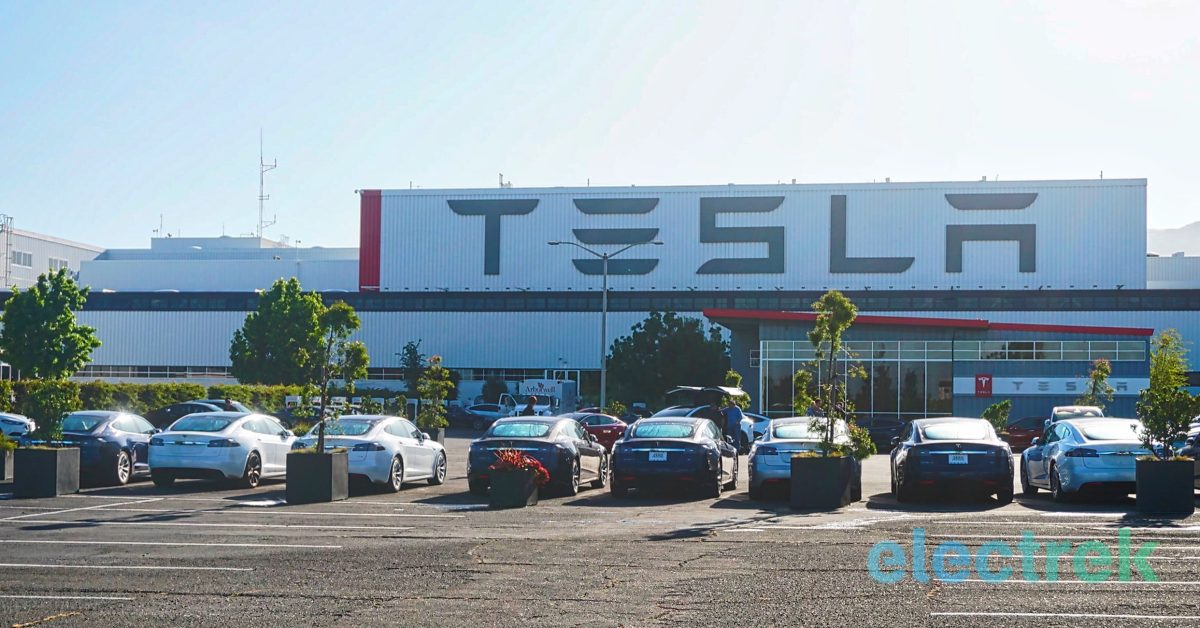
Tesla's Lawyers Misled Witness in Racism Trial
Tesla's ongoing racism trial in California has faced significant setbacks as it was revealed that a…
18h ago
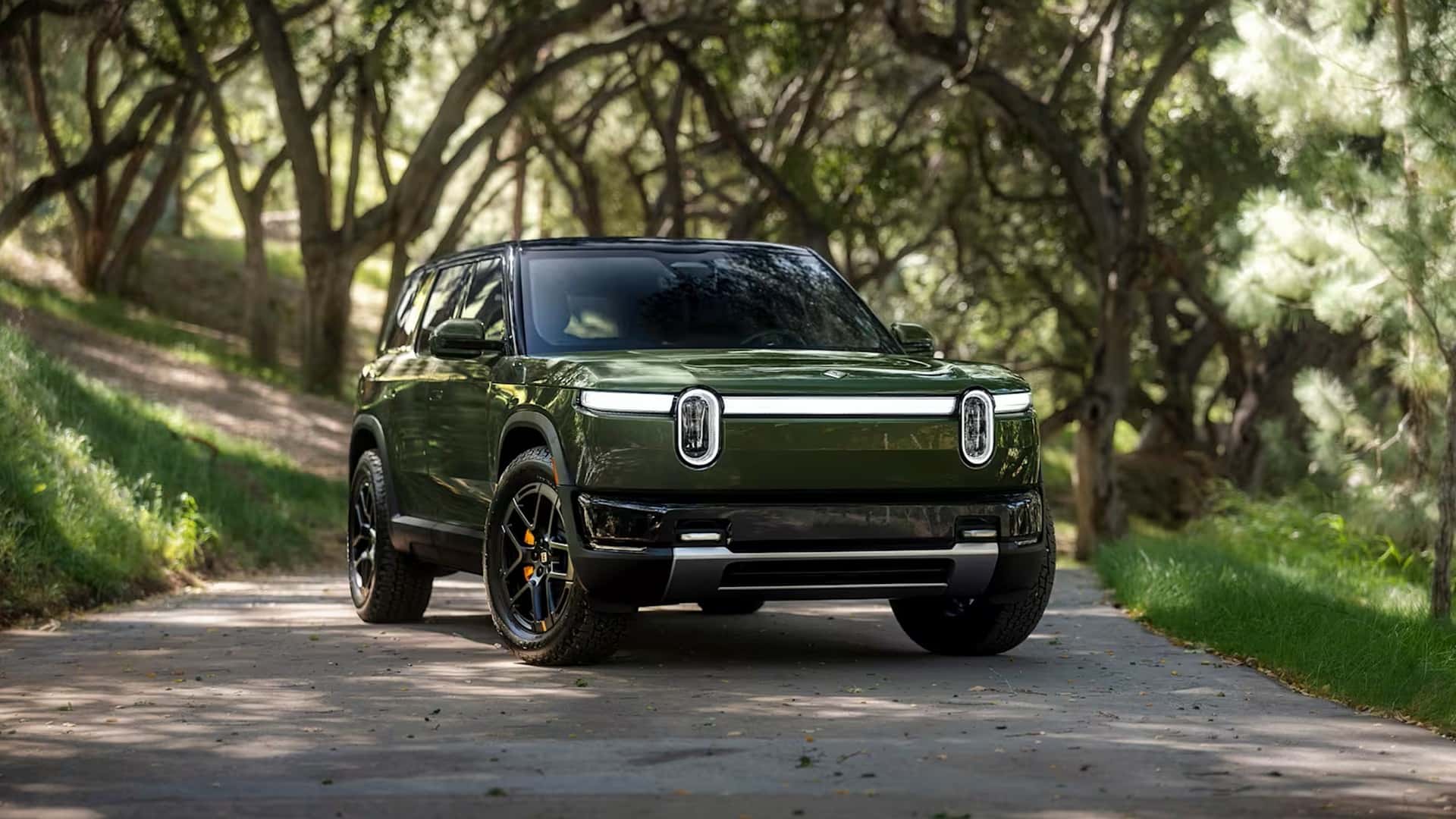
Rivian R2 Faces First Recall Due to Camera Issue
Rivian has issued a recall affecting nearly 99,000 vehicles, including some of its new R2 models,…
18h ago
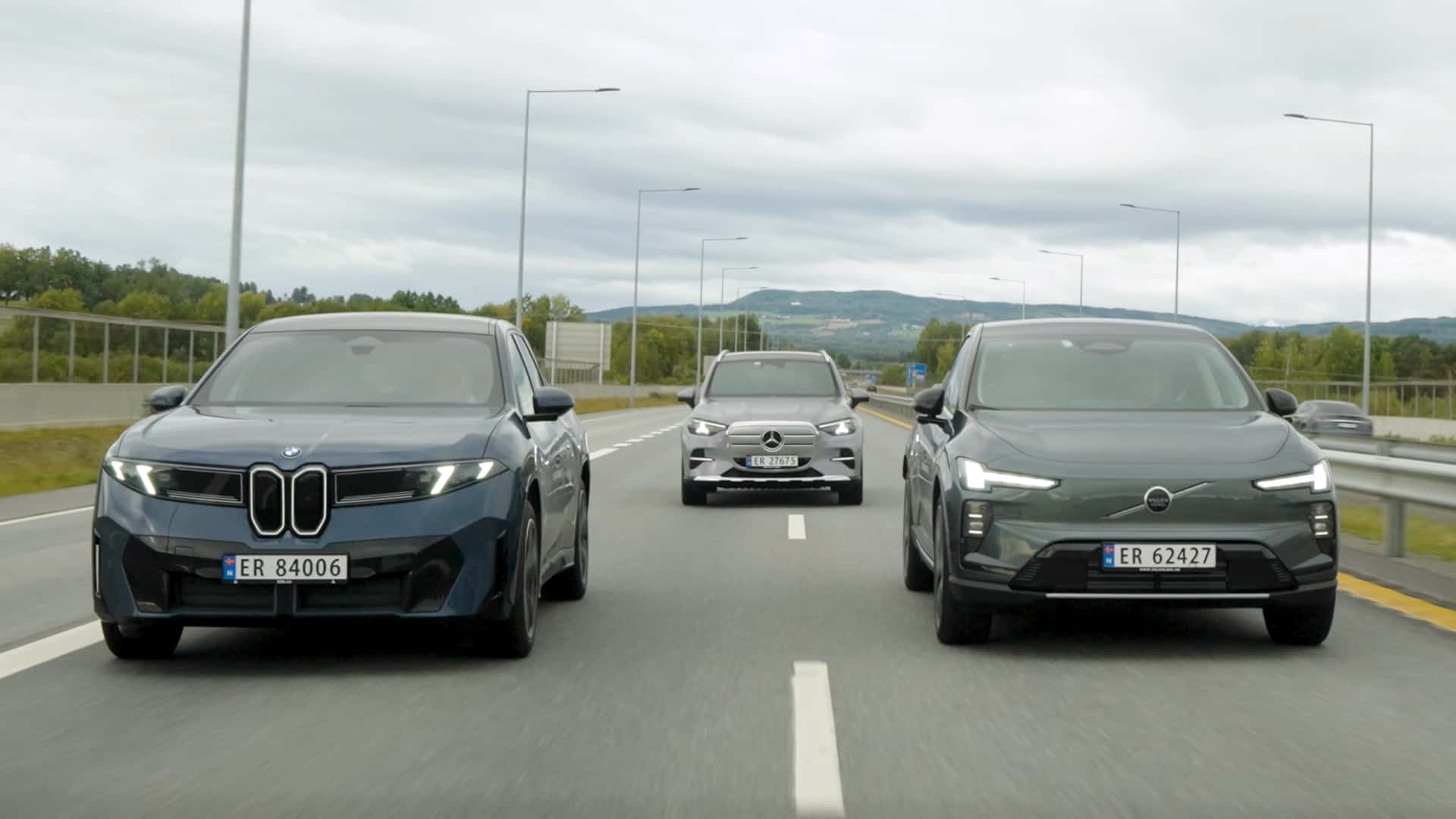
BMW iX3 Outperforms Mercedes GLC and Volvo EX60 in Highway Efficiency Test
In a recent highway test, the BMW iX3 demonstrated superior energy efficiency and range compared to…
1d ago
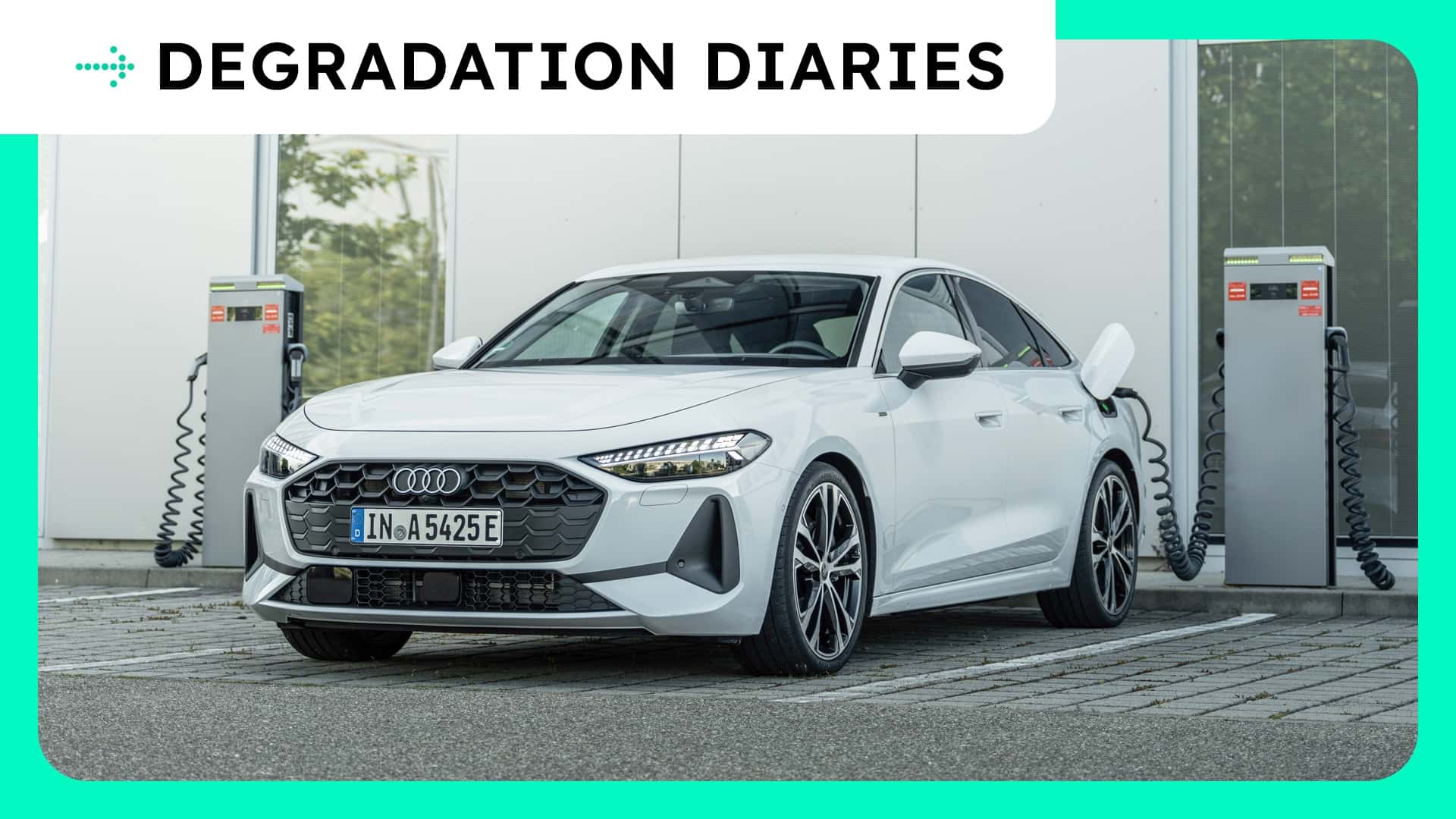
PHEV Batteries Show Resilience Despite Frequent Cycling
Plug-in hybrid electric vehicles (PHEVs) experience more frequent battery cycling than fully…
1d ago