Ford Mustang Mach-E Battery Health After 100,000 Miles
Ford's analysis of 36,000 Mustang Mach-E SUVs reveals that after an average of 55,000 miles, the vehicles retain 92% of their battery capacity. Even those with over 100,000 miles maintained more than 91% capacity. However, battery health can vary based on driving conditions and charging habits.

Key takeaways
30-second read- 1Potential buyers can feel more confident in the longevity of the Mustang Mach-E's battery performance.
- 2Owners can expect minimal degradation, enhancing the vehicle's resale value and overall ownership experience.
- 3Understanding battery health can inform charging habits to optimize battery lifespan.
Confirmed
No official source linked yet
Reported
Secondary reporting: InsideEVs
Verify yourself
Eligibility, local prices and dates for your car, state or utility
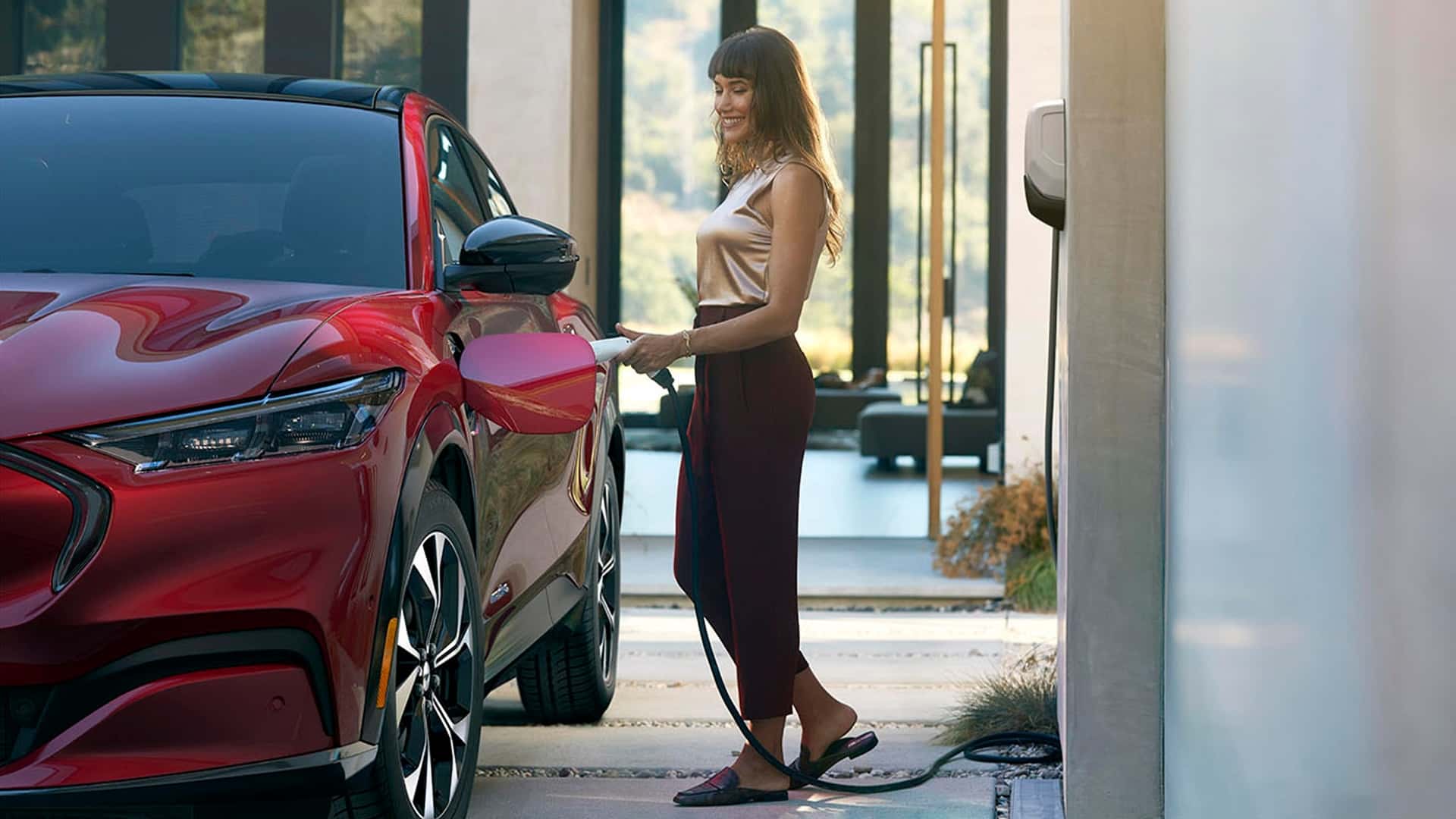
Ford's recent study on the Mustang Mach-E's battery performance indicates that the electric SUVs maintain impressive battery health even after extensive use. An analysis of data from approximately 36,000 Mach-E vehicles, primarily from the 2021 model year, shows that these vehicles have retained an average of 92% of their battery capacity after about 55,000 miles driven over an average of 5.2 years. This finding is significant for potential EV buyers concerned about battery degradation, a common issue associated with electric vehicles.
What changed
The data released by Ford highlights that even those Mach-E models that have surpassed 100,000 miles still retain over 91% of their battery capacity. Specifically, vehicles that have traveled more than 200,000 miles showed a battery health of about 88%. This performance is particularly notable given the concerns many consumers have regarding battery longevity in electric vehicles, which can be likened to the rapid degradation often seen in smartphones.
Why it matters for buyers and owners
- Confidence in Longevity: The findings provide reassurance to potential buyers about the Mustang Mach-E's battery life, suggesting that it can withstand high mileage without significant performance loss.
- Resale Value: With batteries retaining a high percentage of their capacity, owners can expect better resale values as the performance remains strong even after several years of use.
- Optimizing Battery Life: Ford's recommendations on charging practices and temperature management can help current owners extend the life of their batteries, ensuring they get the most out of their investment.
Key details
Ford's study indicates that 95% of the 36,000 vehicles analyzed fell between 87% and 97% battery capacity retention. The study also notes that environmental factors, such as extreme temperatures and charging habits, can affect battery health. For example, EVs frequently charged to 100% or drained to near-empty may experience faster degradation. Ford suggests that keeping battery levels between 20% and 80% can help maintain optimal health.
What to watch next
As Ford continues to gather data from its fleet of Mustang Mach-E vehicles, future reports may provide deeper insights into battery performance over longer periods and under varying conditions. Additionally, the automaker is using this data to inform the design and engineering of upcoming electric models, such as the anticipated sub-$30,000 Fathom pickup truck.
Buying guide: Best OBD2 Scanner for EVs (2026): Checking Battery Health on a Used EV
Sources
1 media- [1]Ford Tested 36,000 Mustang Mach-E Batteries. Here’s How They Held Up After 100,000 MilesMedia
InsideEVs · insideevs.com · published Nov 9
Newsletter
Weekly EV signal. No spam.
Comments
Log in with
Loading comments…