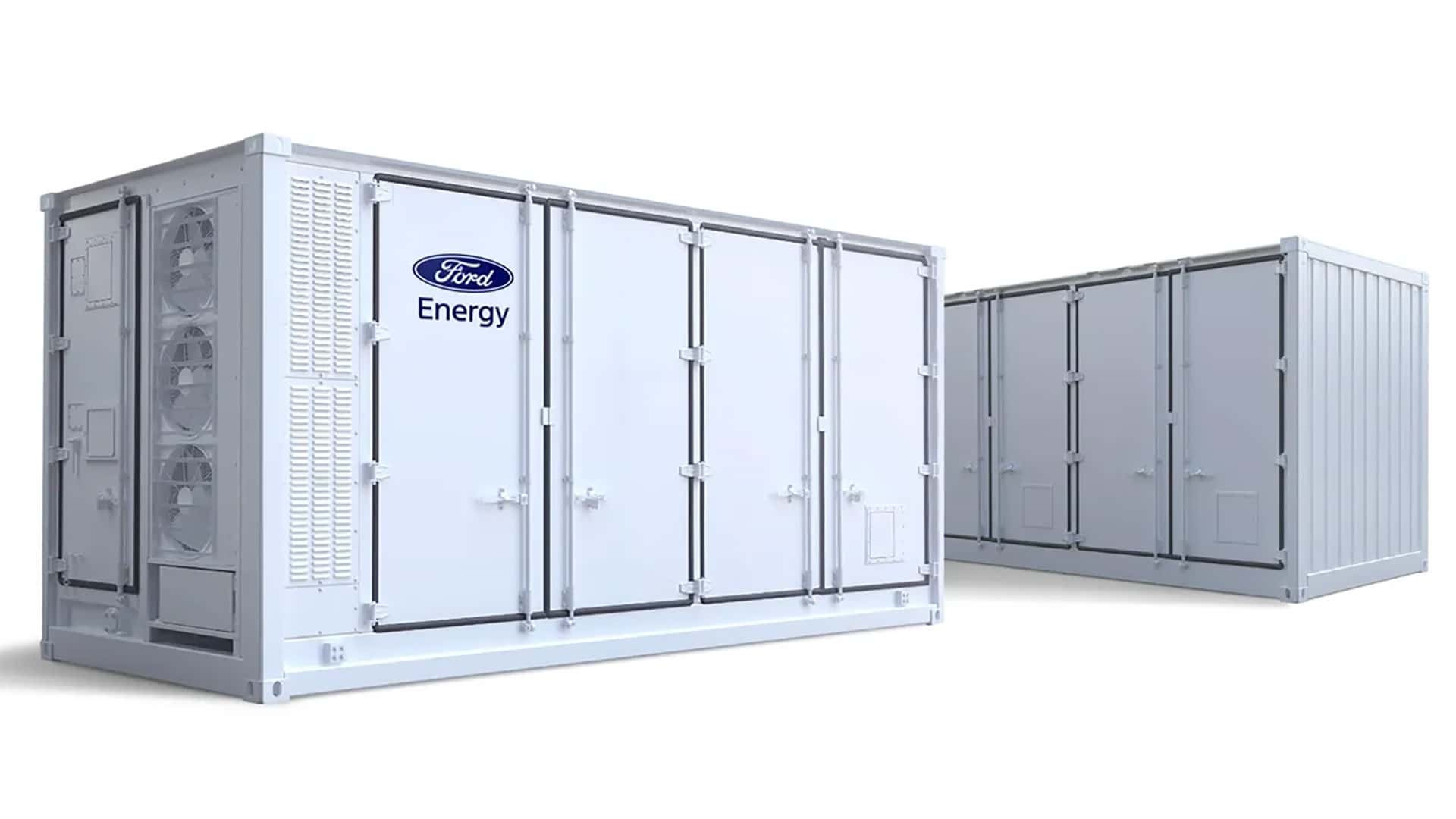
Ford Launches New Battery Container to Compete with Tesla Megapack
Updated May 12, 2026
3 min read
1 linked source
Ford Energy has introduced a new LFP-powered DC battery container designed to store over 5 megawatt-hours of energy and is built to last for 20 years. This development positions Ford as a competitor to Tesla's Megapack in the energy storage market. The full implications for EV buyers and owners remain to be seen, particularly regarding pricing and availability.
Share this story
Why it matters
- ✓The introduction of Ford's battery container could lead to more competitive pricing in the energy storage market, potentially benefiting EV owners who are looking for home energy solutions.
- ✓If widely adopted, this technology may enhance the availability of energy storage options for EV charging, making it easier for owners to manage their energy use.
- ✓The longevity of the product (20 years) suggests a lower ownership cost over time, which could appeal to both residential and commercial users.
Ford's New Battery Container
Ford Energy has officially launched its new LFP-powered DC battery container, designed to store over 5 megawatt-hours of energy and built to last for 20 years. This new product aims to compete directly with Tesla's Megapack, which has been a dominant player in the energy storage market.
What Changed
The introduction of Ford's battery container marks a significant step for the automaker as it expands its focus beyond electric vehicles into energy storage solutions. The container's long lifespan and substantial energy capacity position it as a viable alternative for both residential and commercial energy needs.
Why It Matters for Buyers/Owners
- Competitive Pricing: The entry of Ford into the energy storage market could lead to more competitive pricing, which may benefit EV owners looking for home energy solutions.
- Enhanced Availability: If Ford's battery container gains traction, it could improve the availability of energy storage options, making it easier for EV owners to manage their energy use effectively.
- Lower Ownership Costs: With a lifespan of 20 years, this product could result in lower ownership costs over time, appealing to users who prioritize long-term investments in energy solutions.
Key Details from Source Material
According to InsideEVs, Ford's new battery container is powered by lithium iron phosphate (LFP) technology, known for its stability and safety. The container is designed to be robust, with a lifespan of two decades, which is a significant selling point for potential buyers. The energy capacity of over 5 megawatt-hours also indicates that it can support substantial energy needs, whether for home use or larger applications.
What to Watch Next
As Ford rolls out this new product, it will be important to monitor its pricing strategy and availability in the market. Additionally, the performance of the battery container in real-world applications will be crucial in determining its success against established competitors like Tesla. Keep an eye on customer feedback and any announcements from Ford regarding partnerships or installations that could further influence the energy storage landscape.
Sources
These are the documents and reports used to build this brief so readers can verify the story directly.
- Ford’s New Battery Container Is Here To Take On The Tesla Megapack — InsideEVsMEDIA
Reporting notes
EV Signal briefs are written to explain the verified change first, then add the context EV buyers and owners need to understand cost, availability, charging access, eligibility, or ownership impact.
If details are still developing, we try to say what is confirmed, what comes from secondary reporting, and what readers should verify before acting.
Source mix
1 linked source
1 media
Reviewed from: InsideEVs.
Comments
Log in with
Loading comments…
More in Ownership
NHTSA Issues New Rule on Fuel Economy Standards for Medium- and Heavy-Duty Vehicles
The National Highway Traffic Safety Administration (NHTSA) has released an interpretive rule…
Just now
Tesla's Lawyers Misled Witness in Racism Trial
Tesla's ongoing racism trial in California has faced significant setbacks as it was revealed that a…
1d ago
Rivian R2 Faces First Recall Due to Camera Issue
Rivian has issued a recall affecting nearly 99,000 vehicles, including some of its new R2 models,…
1d ago
BMW iX3 Outperforms Mercedes GLC and Volvo EX60 in Highway Efficiency Test
In a recent highway test, the BMW iX3 demonstrated superior energy efficiency and range compared to…
1d ago