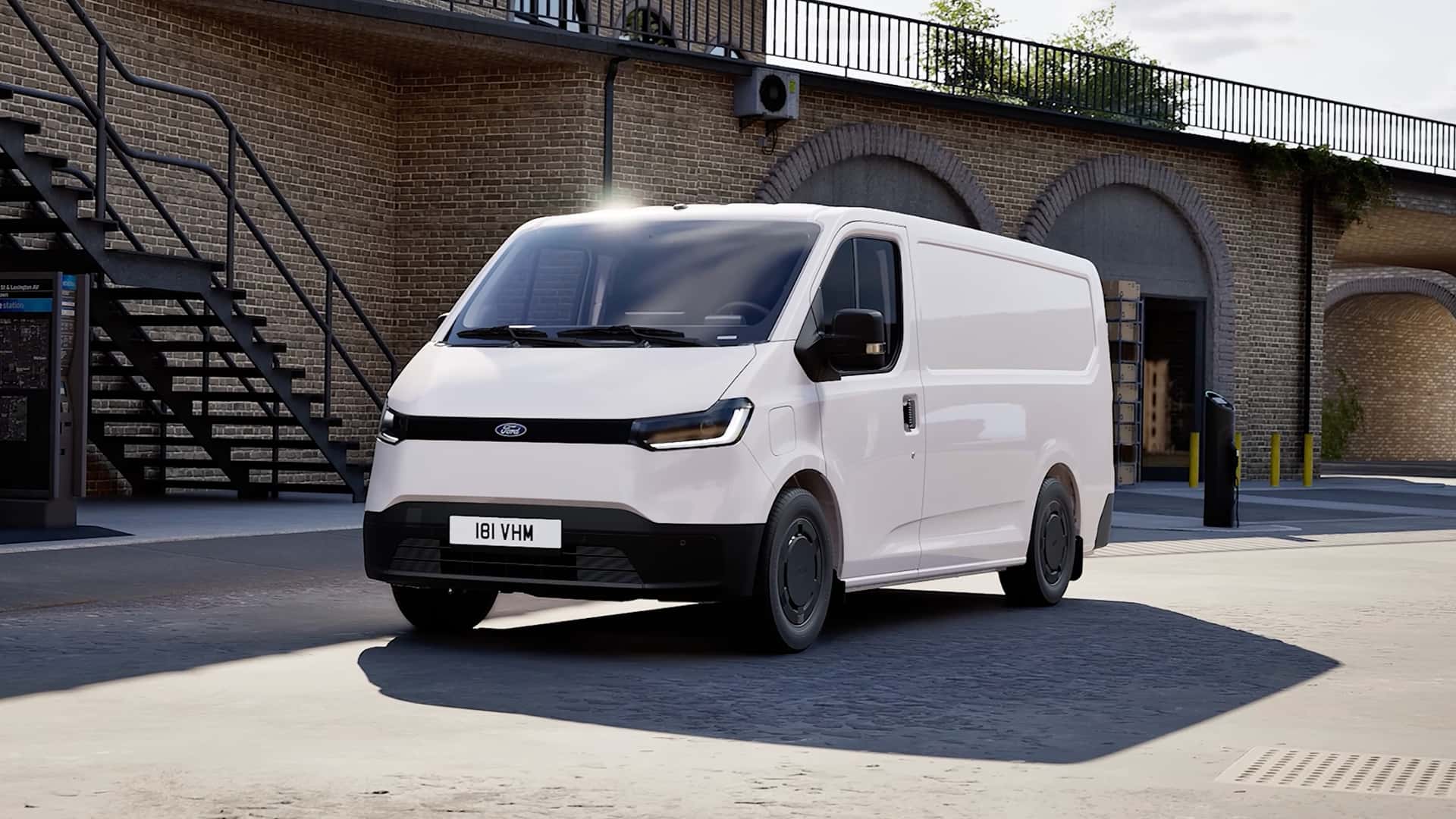
Ford Introduces High-Tech Electric Transit City Van with Chinese Roots
Updated March 29, 2026
3 min read
1 linked source
Ford has unveiled the new Transit City, a modern electric van designed primarily for urban environments. The vehicle features lithium iron phosphate (LFP) batteries but is not expected to be available in the U.S. market. This model reflects Ford's commitment to expanding its electric vehicle lineup, particularly in international markets.
Share this story
Why it matters
- ✓The Transit City showcases Ford's advancements in electric vehicle technology, particularly in urban settings.
- ✓With LFP batteries, the van may offer a longer lifespan and improved safety compared to traditional lithium-ion batteries.
- ✓The absence of a U.S. version highlights the need for buyers to consider regional availability when looking at electric vehicle options.
Reporting notes
EV Signal briefs are written to explain the verified change first, then add the context EV buyers and owners need to understand cost, availability, charging access, eligibility, or ownership impact.
If details are still developing, we try to say what is confirmed, what comes from secondary reporting, and what readers should verify before acting.
Source mix
1 linked source
1 media
Reviewed from: InsideEVs.
Ford Introduces High-Tech Electric Transit City Van with Chinese Roots
Ford has recently launched its new electric van, the Transit City, which is designed specifically for urban environments. This modern vehicle incorporates advanced technology and features lithium iron phosphate (LFP) batteries, marking a significant step in Ford's electric vehicle strategy. However, it is important to note that this model will not be available in the U.S. market, limiting its reach primarily to international buyers.
Overview of the Transit City
The Ford Transit City is a high-tech electric van that aims to cater to the needs of urban drivers and businesses. Its design reflects a focus on functionality and efficiency, making it suitable for city driving where space and maneuverability are often at a premium. The van's modern aesthetic is complemented by its technological features, which are geared towards enhancing the driving experience and operational efficiency.
Key Features: LFP Batteries
One of the standout features of the Transit City is its use of lithium iron phosphate (LFP) batteries. LFP batteries are known for their stability, safety, and longevity compared to traditional lithium-ion batteries. This technology could provide several advantages for users, including:
- Extended Lifespan: LFP batteries typically have a longer cycle life, which means they can withstand more charge and discharge cycles before their capacity diminishes.
- Safety: LFP batteries are less prone to overheating and thermal runaway, making them a safer option for electric vehicles.
- Cost-Effectiveness: While LFP batteries may have a lower energy density, their lower cost and longer lifespan can make them a more economical choice for fleet operators.
Urban Focus and Market Positioning
The Transit City is designed with urban environments in mind, which often pose unique challenges for commercial vehicles. Its compact size and agility make it ideal for navigating crowded streets and tight spaces. Additionally, the electric powertrain aligns with the growing trend of cities implementing stricter emissions regulations and promoting sustainable transportation solutions.
Despite its innovative features, the Transit City will not be available in the U.S. This decision could be influenced by various factors, including market demand, regulatory considerations, and Ford's strategic focus on other electric models for the North American market. As a result, potential buyers in the U.S. will need to look at alternative options within Ford's electric lineup or from other manufacturers.
Implications for EV Buyers and Owners
The introduction of the Transit City highlights several important considerations for EV buyers and owners:
- Regional Availability: Buyers should be aware of the regional limitations of certain electric models. The absence of the Transit City in the U.S. market may lead consumers to explore other options that meet their urban mobility needs.
- Battery Technology: The shift towards LFP batteries in electric vehicles could influence buyer preferences, especially for those concerned about battery longevity and safety. Understanding the differences between battery types can help buyers make informed decisions.
- Urban Mobility Solutions: As cities continue to evolve and prioritize sustainable transportation, vehicles like the Transit City may become increasingly relevant for businesses looking to adapt to changing regulations and consumer expectations.
Conclusion
The Ford Transit City represents a significant development in the electric van segment, particularly for urban applications. With its modern design and advanced battery technology, it is poised to meet the needs of businesses operating in city environments. However, the lack of availability in the U.S. market serves as a reminder for buyers to consider regional options when exploring electric vehicles. As Ford continues to expand its electric vehicle offerings, it will be interesting to see how models like the Transit City influence the future of urban transportation.
Sources
These are the documents and reports used to build this brief so readers can verify the story directly.
Comments
Log in with
Loading comments…
More in Models & Pricing
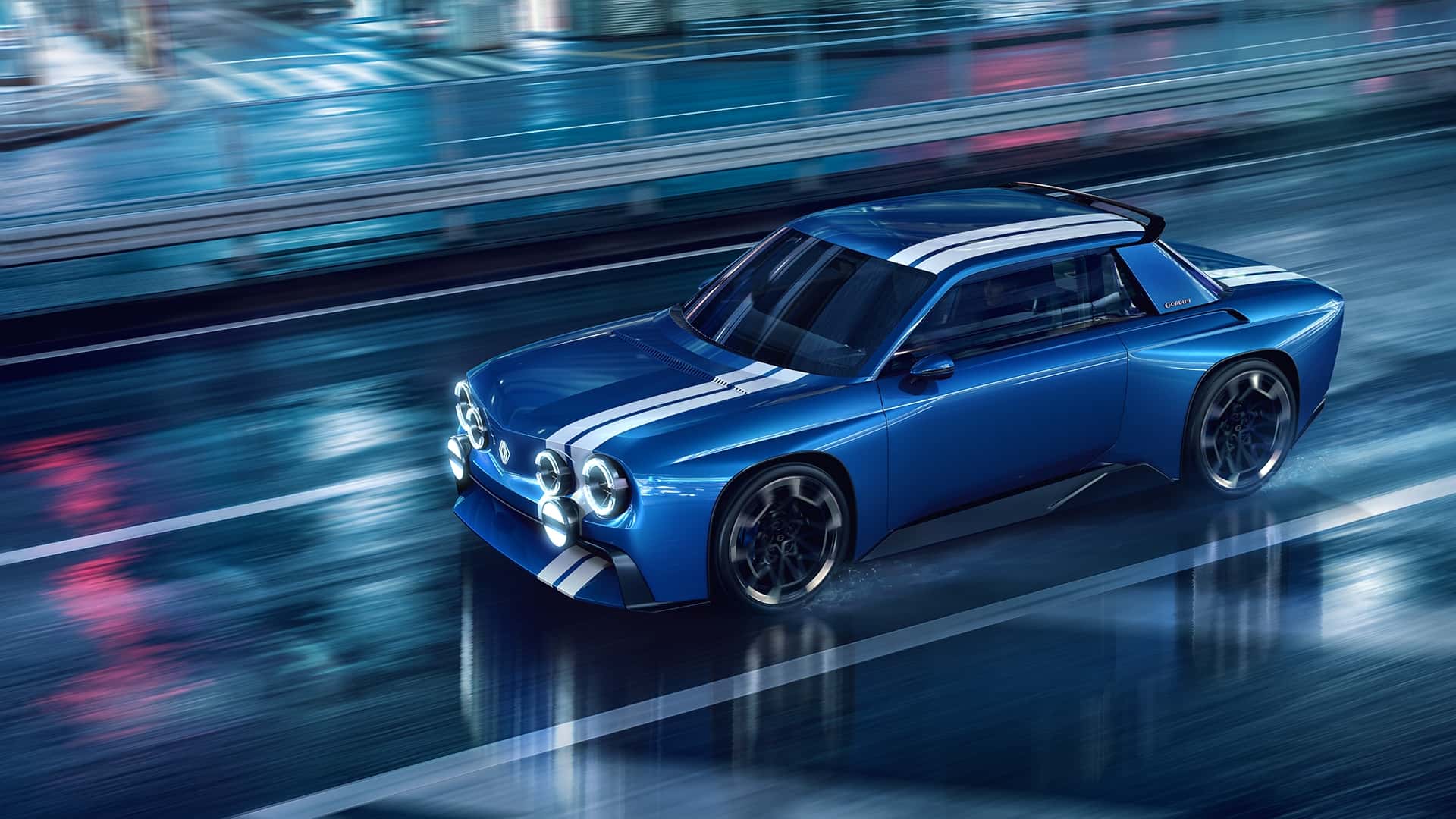
Renault 8 Gordini Returns as Rear-Wheel Drive EV
Renault has unveiled the return of the iconic Renault 8 Gordini as a rear-wheel drive electric…
Just now
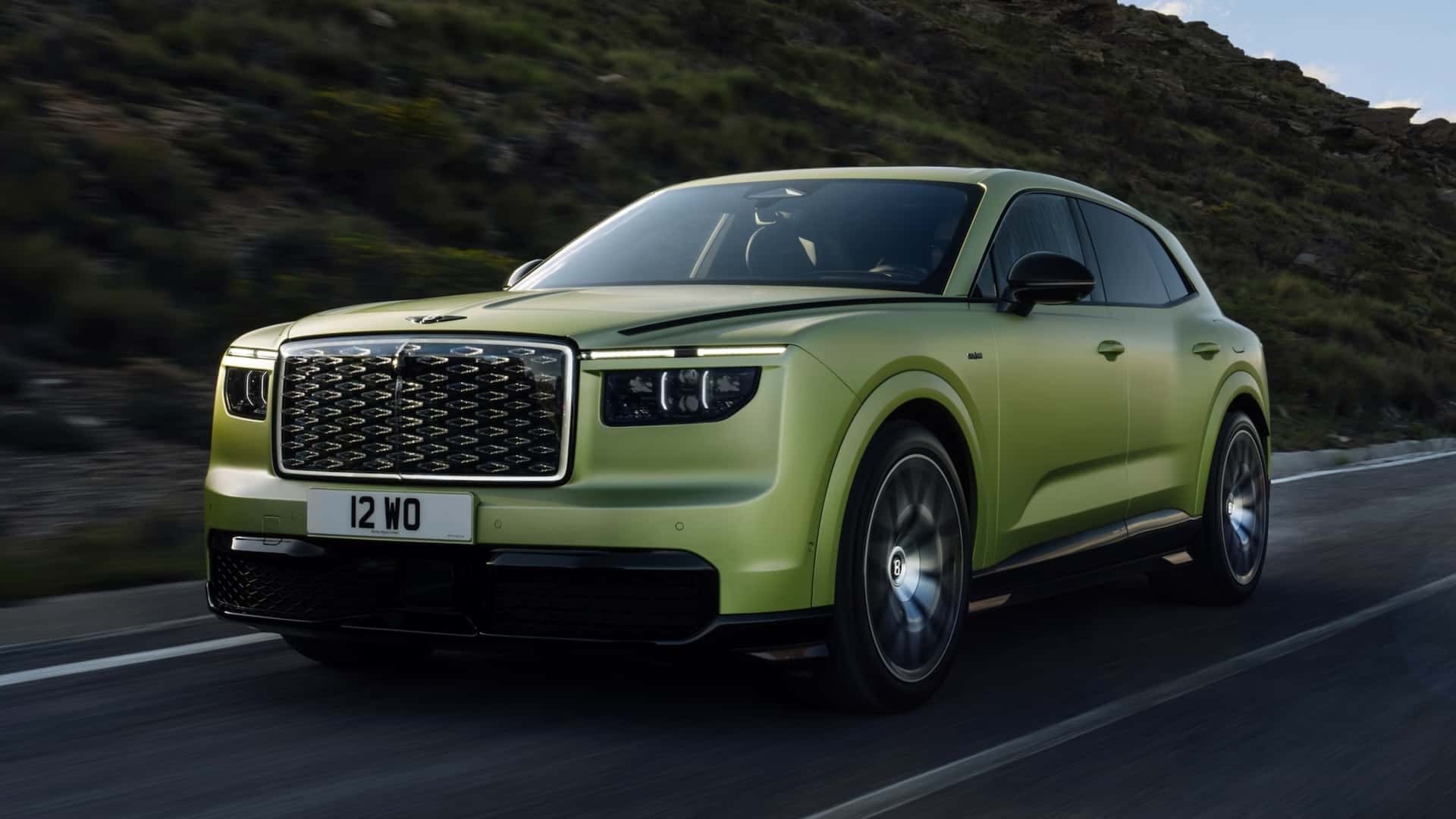
Bentley's First EV, the Torcal, Offers Rapid Charging Capabilities
Bentley has launched its first electric vehicle, the Torcal, a midsize SUV that boasts rapid…
12h ago
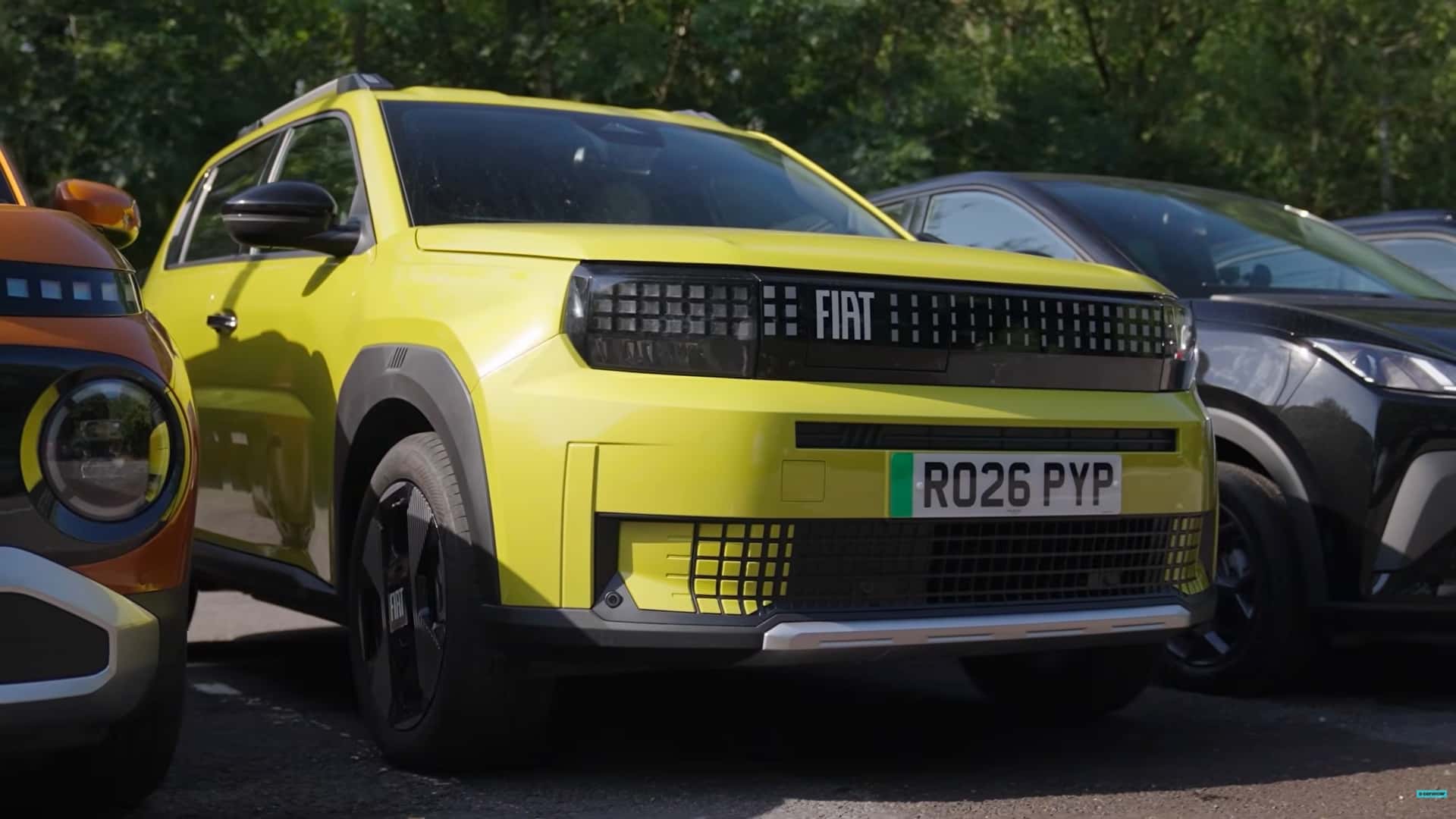
Fiat Grande Panda Outperforms Claimed Range in Real-World Test
In a recent highway range test, the Fiat Grande Panda exceeded its officially claimed range,…
12h ago
Bentley Launches Torcal, Its First All-Electric SUV
Bentley has officially unveiled the Torcal, marking its entry into the electric vehicle market.…
12h ago