Ford Aims to Sell 100,000 Fathom Electric Pickups in First Year
Updated September 3, 2026
3 min read
1 linked source
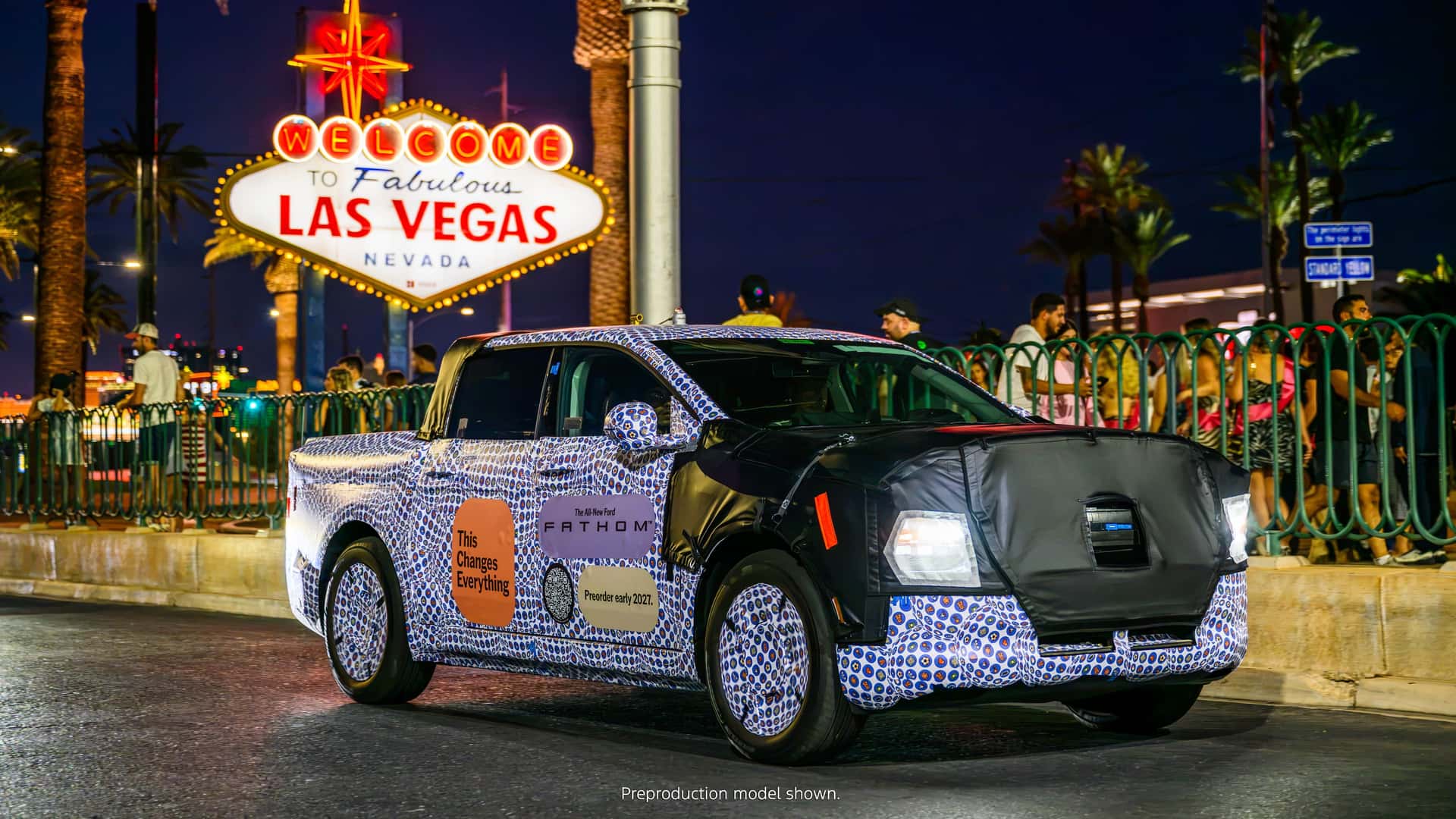
Ford has announced a goal to sell 100,000 units of its upcoming Fathom electric pickup truck within its first year on the market. This ambitious target positions Ford to compete closely with Tesla in the electric vehicle sector, although achieving this goal may present significant challenges.
Share this story
Why it matters
- ✓If successful, Ford's sales goal could enhance competition in the electric pickup market, potentially leading to better pricing and options for consumers.
- ✓The availability of the Fathom could influence the overall adoption of electric vehicles, especially among pickup truck enthusiasts.
- ✓Challenges in meeting sales targets may impact production timelines and availability for buyers.
Reporting notes
EV Signal briefs are written to explain the verified change first, then add the context EV buyers and owners need to understand cost, availability, charging access, eligibility, or ownership impact.
If details are still developing, we try to say what is confirmed, what comes from secondary reporting, and what readers should verify before acting.
Source mix
1 linked source
1 media
Reviewed from: InsideEVs.
Ford's Ambitious Sales Target
Ford has set an ambitious goal to sell 100,000 units of its Fathom electric pickup truck in its first year of production. This target places Ford in direct competition with Tesla, a leader in the electric vehicle market, and highlights the growing interest in electric pickups among consumers.
What Changed?
The announcement of Ford's sales goal for the Fathom electric pickup is a significant development in the automotive industry. The Fathom is expected to cater to a segment of buyers looking for electric alternatives to traditional gasoline-powered trucks. However, achieving this sales target will not be without its challenges, as Ford must navigate production, supply chain issues, and market demand.
Why It Matters for Buyers and Owners
- Increased Competition: If Ford successfully meets its sales goal, it could lead to increased competition in the electric pickup market. This competition may result in better pricing and more options for consumers.
- Impact on Electric Vehicle Adoption: The Fathom's entry into the market could encourage more consumers to consider electric vehicles, particularly those who have traditionally favored pickups.
- Potential Production Challenges: If Ford struggles to meet its sales target, this could lead to delays in production and availability, impacting potential buyers who are eager to transition to electric vehicles.
Key Details from Source Material
According to InsideEVs, Ford's plan to sell 100,000 Fathom electric pickups in the first year is a bold move that could position the company as a strong competitor to Tesla. However, the article notes that achieving this goal will require overcoming significant hurdles, including production capacity and market acceptance.
The Fathom is expected to appeal to a wide range of consumers, particularly those who prioritize utility and performance in their vehicles. As Ford ramps up its electric vehicle offerings, the success of the Fathom could play a crucial role in the company's overall strategy in the EV market.
What to Watch Next
As Ford moves forward with its plans for the Fathom electric pickup, it will be important to monitor production timelines, pricing details, and customer reception. Any updates regarding the vehicle's specifications, features, and availability will also be critical for potential buyers. Additionally, how Ford's sales performance compares to Tesla's could provide insights into the evolving landscape of electric pickups and the broader electric vehicle market.
Sources
These are the documents and reports used to build this brief so readers can verify the story directly.
Comments
Log in with
Loading comments…
More in Models & Pricing
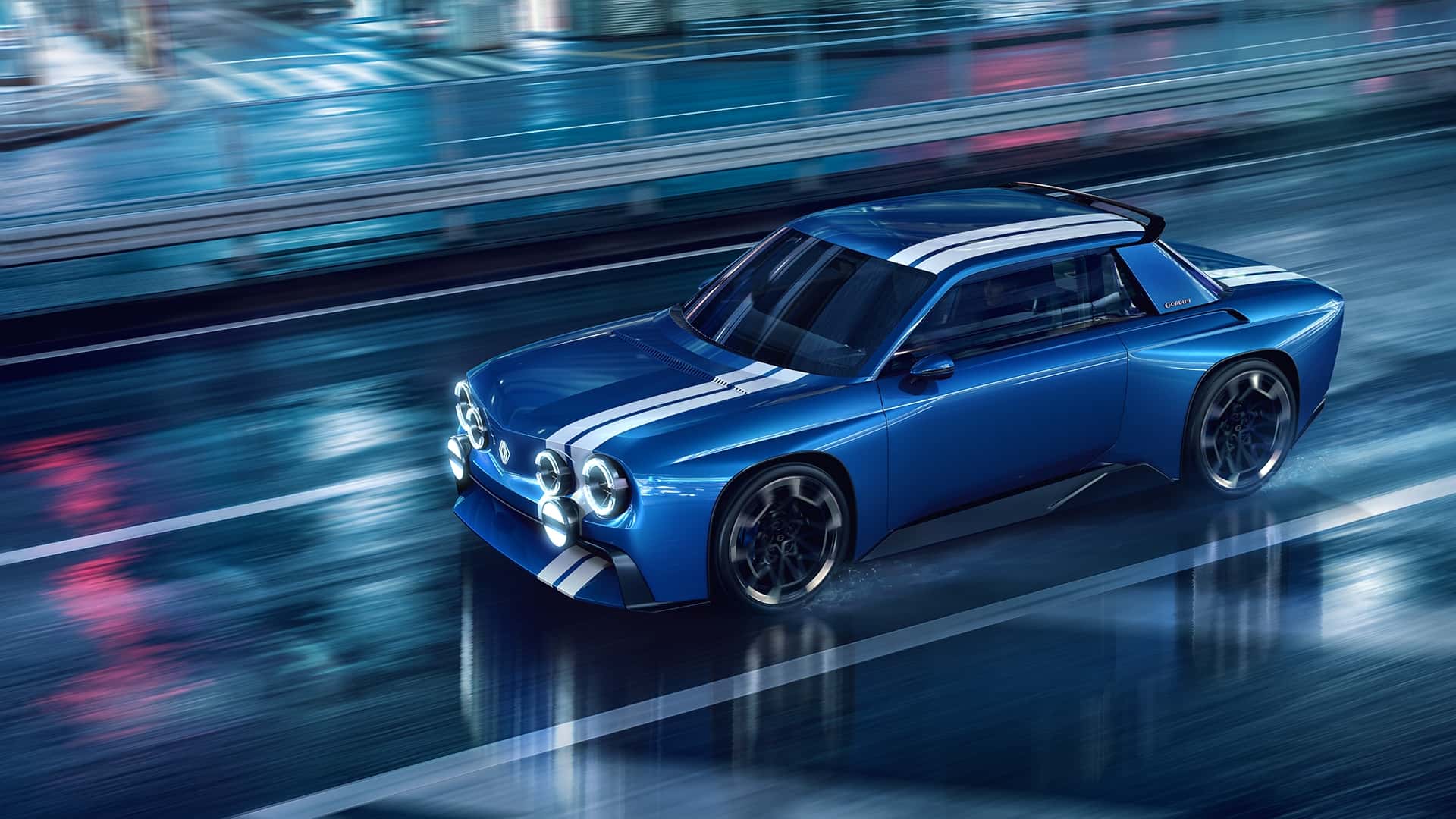
Renault 8 Gordini Returns as Rear-Wheel Drive EV
Renault has unveiled the return of the iconic Renault 8 Gordini as a rear-wheel drive electric…
1h ago
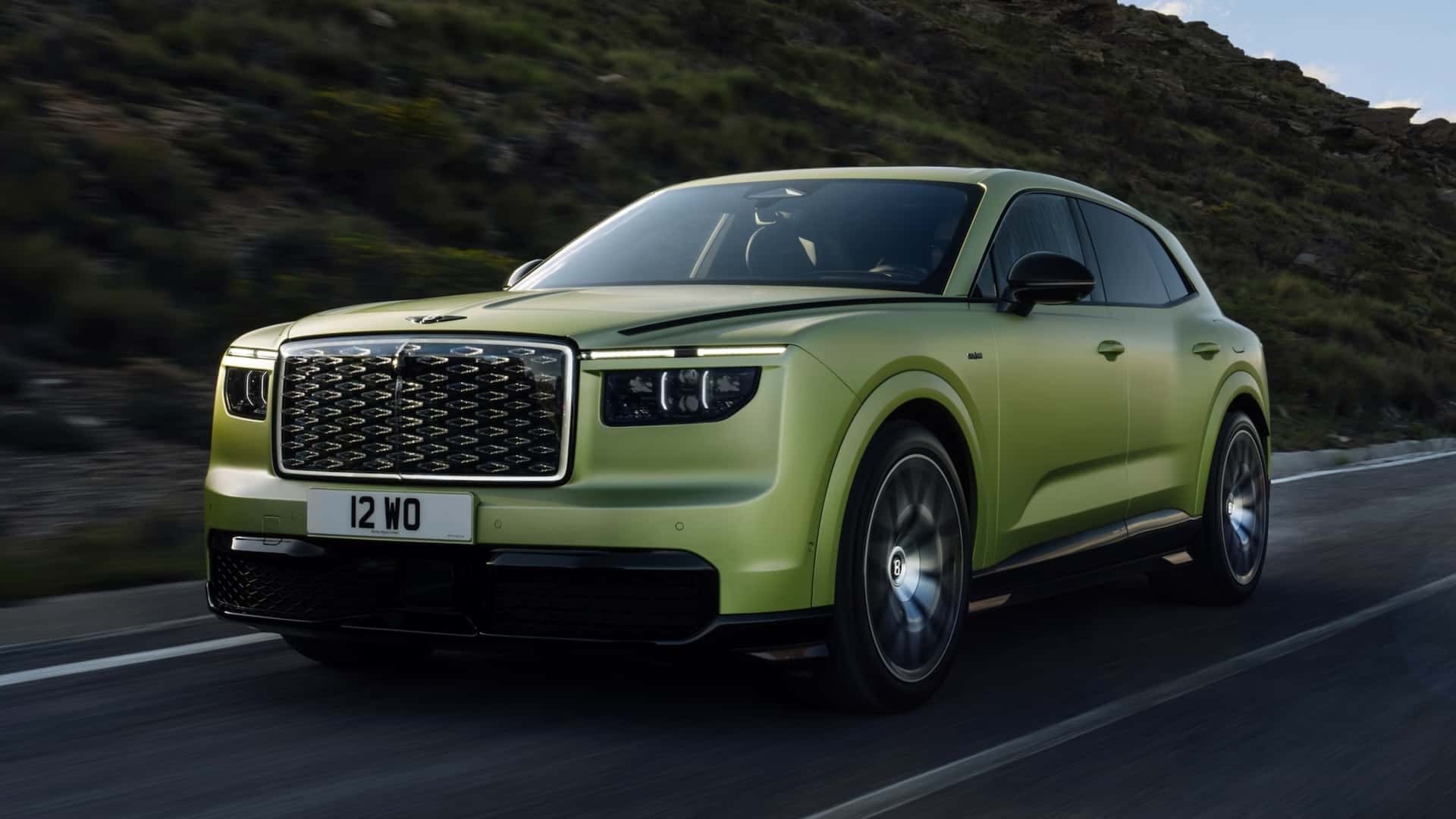
Bentley's First EV, the Torcal, Offers Rapid Charging Capabilities
Bentley has launched its first electric vehicle, the Torcal, a midsize SUV that boasts rapid…
13h ago
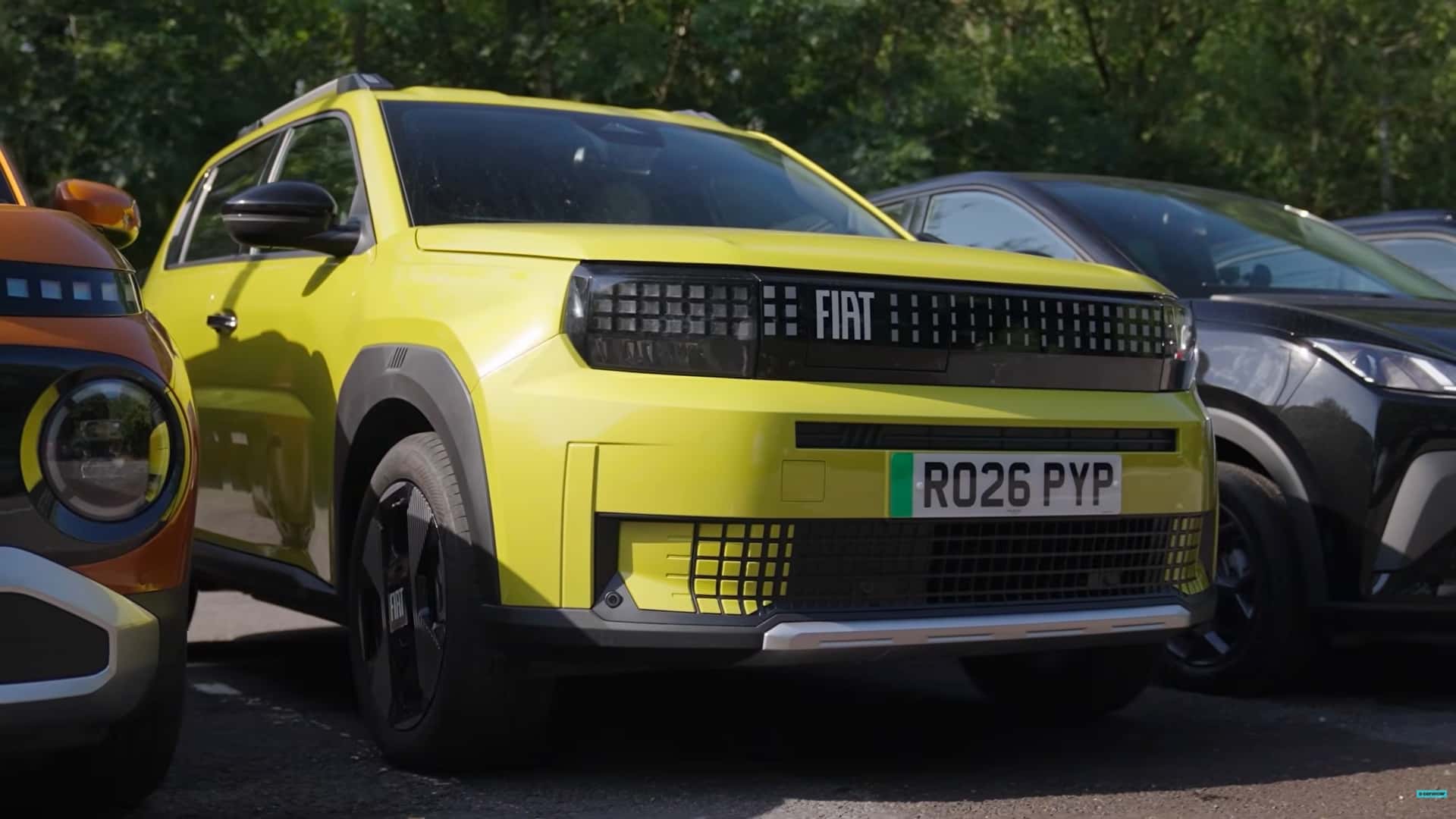
Fiat Grande Panda Outperforms Claimed Range in Real-World Test
In a recent highway range test, the Fiat Grande Panda exceeded its officially claimed range,…
13h ago
Bentley Launches Torcal, Its First All-Electric SUV
Bentley has officially unveiled the Torcal, marking its entry into the electric vehicle market.…
13h ago