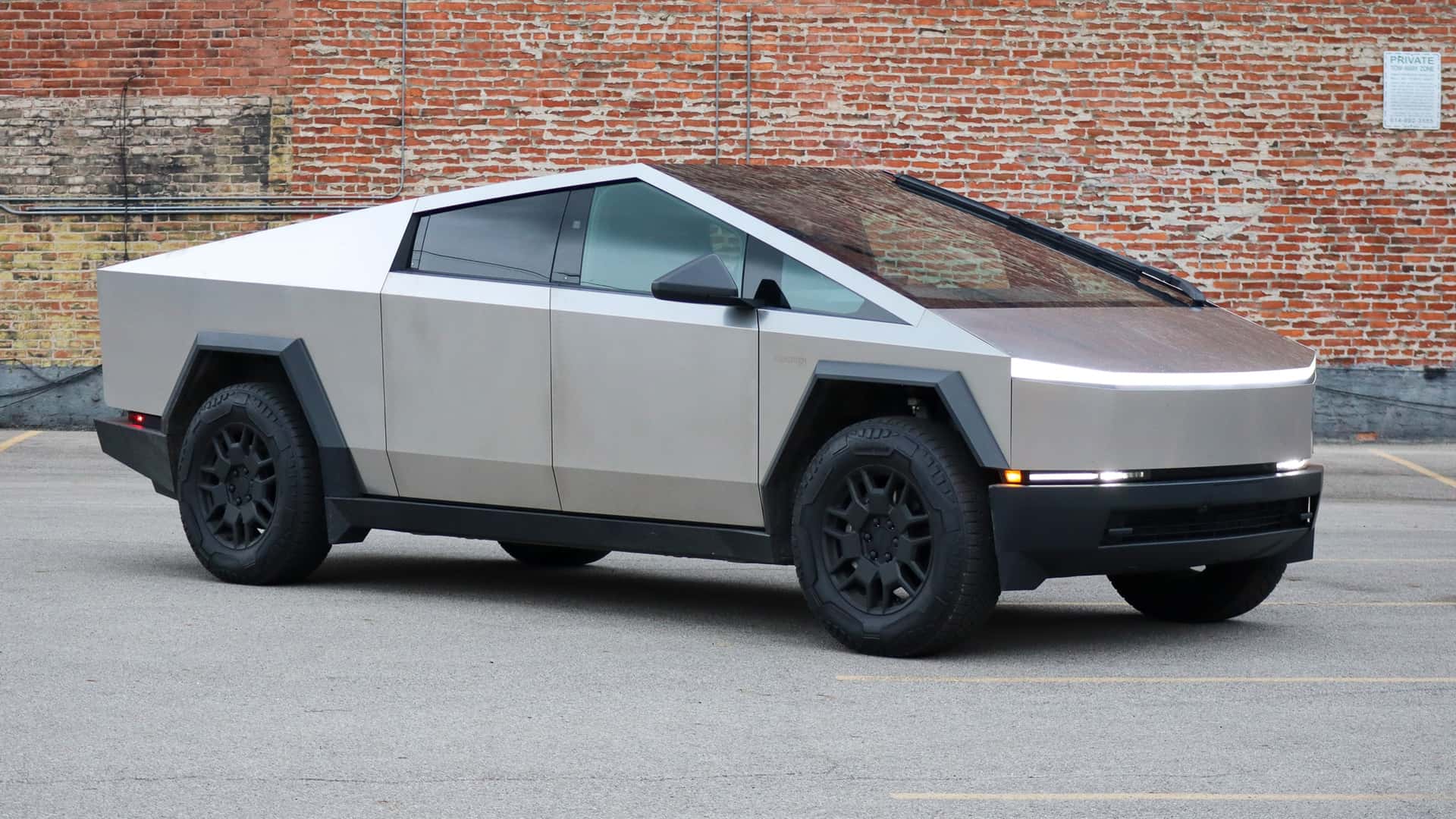
Figure F.02 Humanoid Robots Decommissioned in T2-Style
The Figure F.02 humanoid robots have been decommissioned using a method reminiscent of the film Terminator 2, where the robots were destroyed in a vat of molten steel. This decision ensures that proprietary technology remains secure while minimizing waste of valuable materials. The decommissioning process affects the robotics industry, particularly companies that rely on similar technology.

Key takeaways
30-second read- 1The destruction of these robots highlights the challenges of managing proprietary technology in the robotics sector, which could influence future developments in EV-related automation.
- 2As the EV industry increasingly incorporates robotics for manufacturing and service, understanding the lifecycle of such technology becomes crucial for buyers and owners.
Confirmed
No official source linked yet
Reported
Secondary reporting: Electrek
Verify yourself
Eligibility, local prices and dates for your car, state or utility
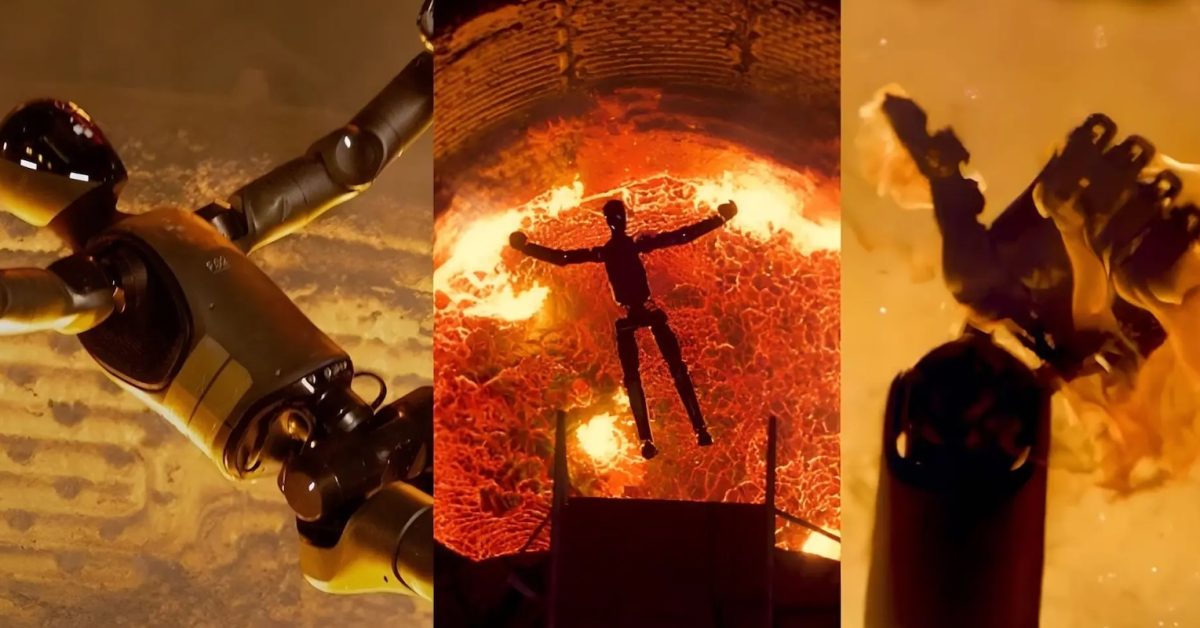
Figure F.02 Humanoid Robots Decommissioned
The Figure F.02 humanoid robots have been officially decommissioned, employing a dramatic method reminiscent of the film Terminator 2. In a move to protect proprietary technology and prevent it from falling into the wrong hands, the robots were destroyed in a vat of molten steel. This decision not only secures valuable intellectual property but also ensures that no expensive raw materials go to waste.
What Changed
The decommissioning of the Figure F.02 robots marks a significant event in the robotics industry, particularly for companies involved in advanced automation technologies. The method of destruction serves as a stark reminder of the lengths to which companies will go to safeguard their innovations. This action reflects the broader challenges faced by tech companies in managing proprietary materials and technologies, especially in sectors where competition is fierce.
Why It Matters for Buyers and Owners
- Impact on Robotics in EVs: The destruction of these humanoid robots underscores the complexities of integrating robotics into the EV sector. As automation becomes more prevalent in manufacturing and service roles within the EV industry, the handling and lifecycle management of such technology will be crucial for both manufacturers and consumers.
- Future Developments: This incident may influence how future robotics are designed, manufactured, and decommissioned, potentially affecting the availability and cost of robotic solutions in the EV market. Buyers and owners should stay informed about advancements in automation that could impact their vehicles and ownership experience.
Key Details from Source Material
According to Electrek, decommissioning humanoid robots packed with proprietary technology is a delicate process. Companies must balance the need to protect their intellectual property with the desire to minimize waste. The dramatic destruction method used for the Figure F.02 robots serves as a cautionary tale for the industry, highlighting the importance of secure technology management.
What to Watch Next
As the robotics and EV sectors continue to evolve, it will be important to monitor how companies address the challenges of technology decommissioning and lifecycle management. Future developments in robotic technology, especially those related to EV manufacturing and service, could significantly impact the industry landscape. Keep an eye on announcements from robotics firms and EV manufacturers regarding new technologies and their management strategies.
Sources
1 media- [1]Hasta la vista, baby – Figure F.02 humanoid robots decommissioned, T2-styleMedia
Electrek · electrek.co · published Oct 3
Newsletter
Weekly EV signal. No spam.
Comments
Log in with
Loading comments…