FedEx Invests $300M in Electric Trucks, Aiming for $800M Diesel Savings

Edited by Ionna Brakeley
Charging & Ownership
Updated October 3, 2026
3 min read
1 linked source
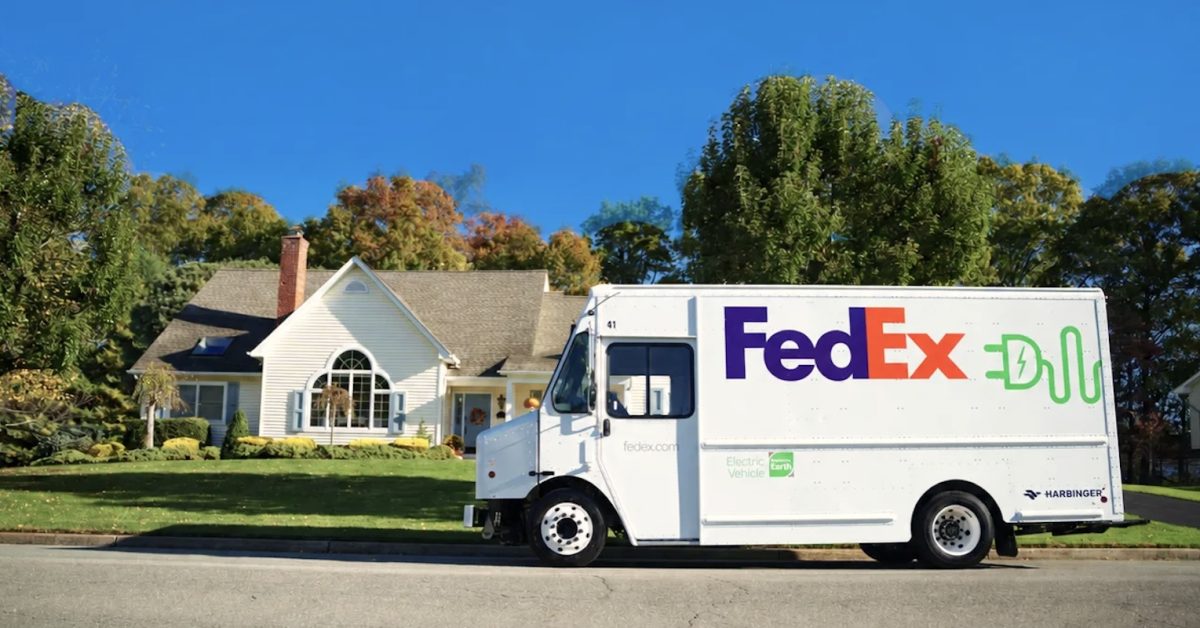
FedEx has placed a significant order for 2,000 all-electric box trucks from Harbinger, totaling over $300 million. The company anticipates that this investment will yield savings of approximately $800 million in diesel fuel costs over time. While the deal is substantial, the exact timeline for realizing these savings remains unclear.
Share this story
Why it matters
- ✓This investment could lead to lower operational costs for FedEx, potentially influencing pricing strategies for shipping services.
- ✓The move highlights the growing viability of electric vehicles in commercial logistics, which may encourage other companies to consider similar investments.
- ✓As electric truck technology advances, buyers and owners may benefit from improved availability and reduced costs in the future.
FedEx's Electric Truck Investment
FedEx has made headlines with a record-setting order of 2,000 all-electric box trucks from American startup Harbinger, valued at over $300 million. This significant investment is part of the company's broader strategy to transition to electric vehicles (EVs) and reduce reliance on diesel fuel. FedEx anticipates that this move will save the company approximately $800 million in diesel costs over time, marking a substantial return on investment (ROI).
What Changed
The key change is FedEx's decision to invest heavily in electric trucks, which represents a shift in their operational strategy towards sustainability and cost-efficiency. The order for 2,000 trucks is one of the largest of its kind in the commercial vehicle sector, indicating a strong commitment to electrification. While the financial figures are promising, the timeline for achieving the projected savings is not specified, leaving some uncertainty about when FedEx will realize these benefits.
Why It Matters for Buyers and Owners
-
Operational Cost Implications: If FedEx successfully reduces its diesel expenses by $800 million, it could lead to lower shipping costs for consumers, depending on how the company chooses to pass on these savings.
-
Market Influence: FedEx's investment may serve as a catalyst for other logistics companies to explore electric vehicle options, potentially increasing the availability of electric trucks in the market.
-
Future Developments: As electric vehicle technology continues to evolve, buyers and owners in the commercial sector may see improved options and reduced costs, making electric trucks more accessible and practical for various businesses.
Key Details from Source Material
According to Electrek, FedEx's order from Harbinger is not just about acquiring new vehicles; it reflects a strategic shift towards sustainability in the logistics industry. The anticipated savings of $800 million in diesel fuel costs underscore the financial incentives for companies to transition to electric fleets. However, the article does not provide specific details on the timeline for these savings or the operational changes that will accompany the introduction of these electric trucks.
What to Watch Next
As FedEx moves forward with this investment, it will be important to monitor the rollout of these electric trucks and any updates on the timeline for achieving the projected savings. Additionally, observing how this decision influences other companies in the logistics sector could provide insights into the broader adoption of electric vehicles in commercial applications. Stakeholders should also keep an eye on advancements in charging infrastructure and technology that could impact the operational efficiency of electric trucks in the coming years.
Sources
These are the documents and reports used to build this brief so readers can verify the story directly.
Reporting notes
EV Signal briefs are written to explain the verified change first, then add the context EV buyers and owners need to understand cost, availability, charging access, eligibility, or ownership impact.
If details are still developing, we try to say what is confirmed, what comes from secondary reporting, and what readers should verify before acting.
Source mix
1 linked source
1 media
Reviewed from: Electrek.
Comments
Log in with
Loading comments…
More in Ownership

EGO POWER+ Launches New Leaf Vacuum and Mulcher
EGO POWER+ has introduced a new three-in-one leaf vacuum, mulcher, and blower that boasts a blowing…
2h ago

Pros and Cons of Owning an Audi E-Tron GT After One Month
After one month of ownership, Tommy and Roman from TFL have shared their insights on the Audi…
2h ago

Rivian’s ALSO E-Bikes Begin Deliveries Amid Mixed Customer Feedback
Rivian's spinout, ALSO, has started delivering its long-awaited electric bikes to customers after…
2h ago

Sustainability Expo Expands to Local Communities
CleanTechnica is bringing its successful Sustainability Expo to various towns, following the…
15h ago