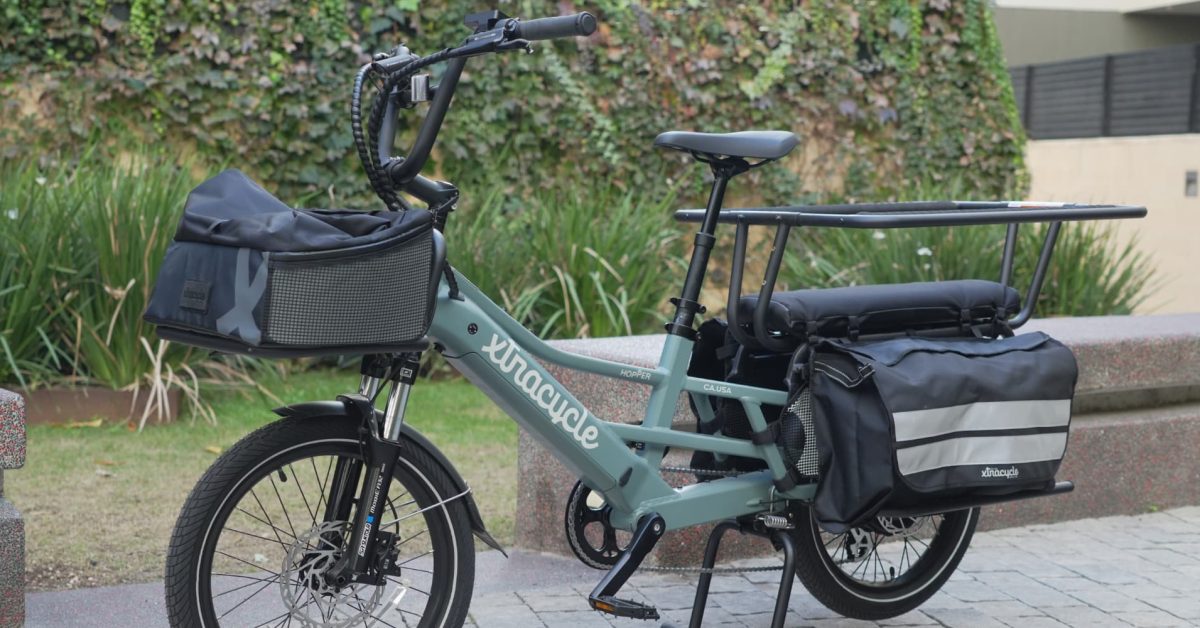
Family of Four Completes 1,000 km on Cargo E-Bike Instead of Buying a Second Car
Updated September 8, 2026
3 min read
1 linked source
A family of four has successfully logged 1,000 km (620 miles) on an electric cargo bike, opting for this alternative over purchasing a second car. This decision highlights the practicality of e-bikes for families, particularly in bike-friendly environments. However, the long-term viability of this choice may vary based on individual circumstances and local infrastructure.
Share this story
Why it matters
- ✓This case demonstrates that electric cargo bikes can serve as a viable alternative to traditional vehicles, potentially reducing ownership costs for families.
- ✓The experience of this family may encourage other buyers to consider e-bikes, especially in urban areas with bike-friendly infrastructure.
- ✓It highlights the growing trend of using e-bikes for family transportation, which could influence future product offerings and market growth in the e-bike sector.
Reporting notes
EV Signal briefs are written to explain the verified change first, then add the context EV buyers and owners need to understand cost, availability, charging access, eligibility, or ownership impact.
If details are still developing, we try to say what is confirmed, what comes from secondary reporting, and what readers should verify before acting.
Source mix
1 linked source
1 media
Reviewed from: Electrek.
Family Chooses E-Bike Over Second Car
A family of four has made headlines by logging 1,000 km (620 miles) on an electric cargo bike instead of purchasing a second car. This decision showcases the potential of e-bikes as a practical alternative for families, particularly in areas that support cycling as a mode of transportation.
What Changed
The family, who were already bike-friendly, took on the challenge of using the Xtracycle Hopper electric cargo bike for their daily transportation needs. Over the course of their experience, they have demonstrated that a cargo e-bike can effectively meet the demands of family life, including transporting children and groceries, without the need for an additional vehicle.
Why It Matters for Buyers and Owners
This family's experience is significant for several reasons:
- Cost Savings: By opting for an e-bike instead of a second car, families can save on the costs associated with car ownership, including insurance, maintenance, and fuel.
- Encouragement for E-Bike Adoption: Their success story may inspire other families to consider e-bikes as a viable transportation option, especially in urban settings where biking is more feasible.
- Market Impact: As more families turn to e-bikes, manufacturers may respond by expanding their offerings to cater to family needs, potentially leading to more innovative and practical designs in the e-bike market.
Key Details from the Source Material
According to the source material from Electrek, the reviewer, who has extensive experience in the electric bike industry, provided the Xtracycle Hopper to a friend and his family for a long-term evaluation. The family embraced the challenge and successfully reached 1,000 km on the bike, sharing insights about their experience. This highlights not only the bike's functionality but also the adaptability of families to alternative transportation methods.
What to Watch Next
As the trend of using e-bikes for family transportation grows, it will be important to monitor how this affects the broader market for electric vehicles. Future developments may include:
- Infrastructure Improvements: Cities may invest in better bike lanes and facilities to accommodate the increasing number of e-bike users.
- Product Innovations: Manufacturers might introduce new models designed specifically for families, enhancing safety and convenience features.
- Consumer Trends: Observing how other families respond to this trend will provide insights into the long-term viability of e-bikes as a primary mode of transportation.
In conclusion, the choice made by this family not only showcases the practicality of electric cargo bikes but also sets a precedent for other families considering alternatives to traditional car ownership. As urban areas continue to evolve and adapt to sustainable transportation methods, the impact of such choices will likely resonate throughout the electric vehicle market.
Sources
These are the documents and reports used to build this brief so readers can verify the story directly.
Comments
Log in with
Loading comments…
More in Ownership
Tesla's Lawyers Misled Witness in Racism Trial
Tesla's ongoing racism trial in California has faced significant setbacks as it was revealed that a…
19h ago
Rivian R2 Faces First Recall Due to Camera Issue
Rivian has issued a recall affecting nearly 99,000 vehicles, including some of its new R2 models,…
19h ago
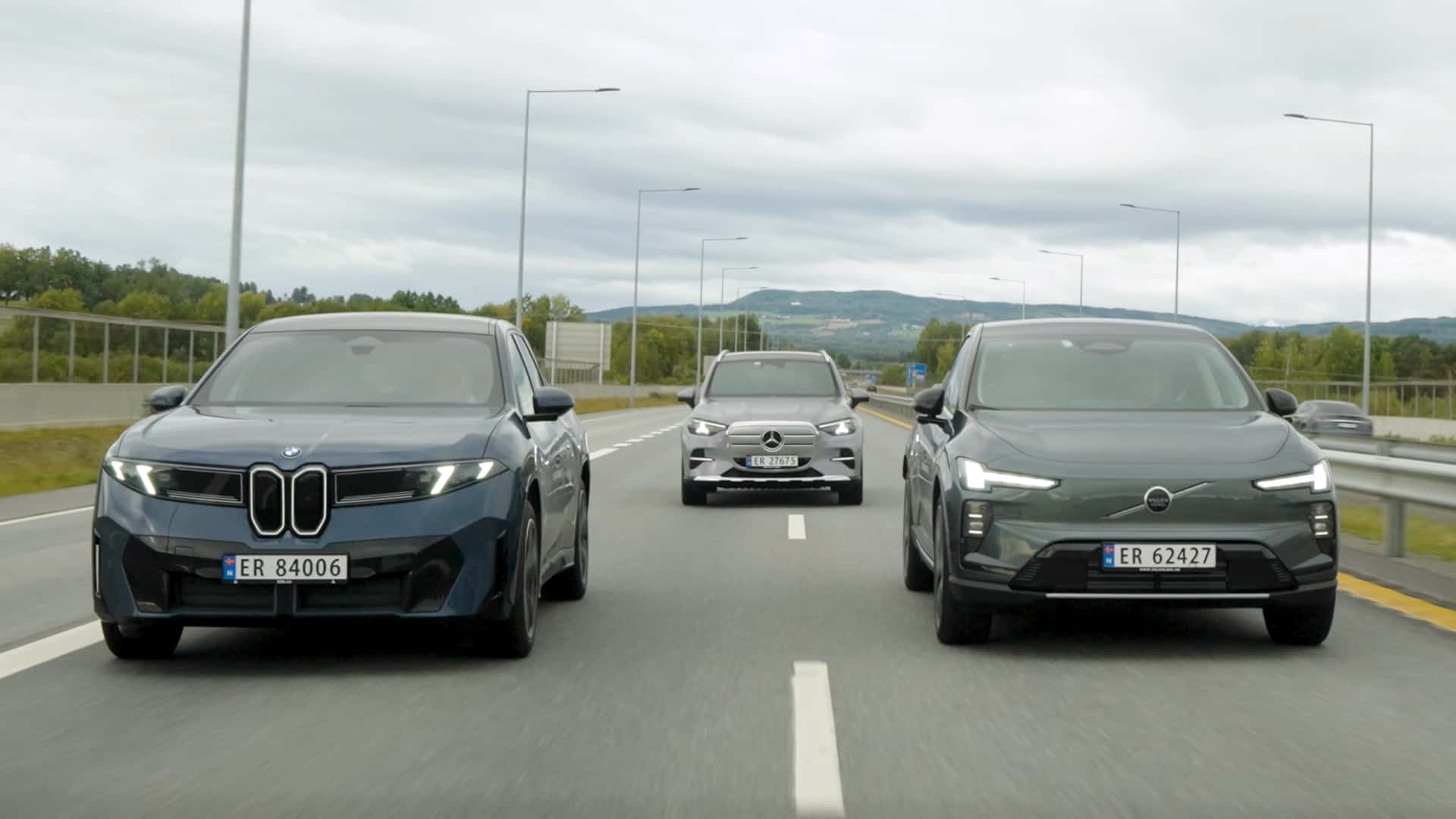
BMW iX3 Outperforms Mercedes GLC and Volvo EX60 in Highway Efficiency Test
In a recent highway test, the BMW iX3 demonstrated superior energy efficiency and range compared to…
1d ago
PHEV Batteries Show Resilience Despite Frequent Cycling
Plug-in hybrid electric vehicles (PHEVs) experience more frequent battery cycling than fully…
1d ago