EVs Displace 1.2 Million Barrels of Oil Daily
Electric vehicles (EVs) now displace 1.2 million barrels of oil daily, a significant increase from 215,000 barrels in 2021. This change is attributed to the rise of battery electric vehicles (BEVs), which now account for 25% of new car sales globally. The analysis indicates that EVs are crucial in reducing oil dependency and emissions, with projections suggesting they could displace 5.8 million barrels daily by 2034.

Key takeaways
30-second read- 1EV buyers contribute to reducing oil dependency, which can lead to more stable fuel prices.
- 2Increased adoption of EVs can enhance energy security and reduce reliance on fossil fuels.
- 3As EV sales grow, the market for charging infrastructure and related technologies is likely to expand, improving access for owners.
Confirmed
No official source linked yet
Reported
Secondary reporting: CleanTechnica
Verify yourself
Eligibility, local prices and dates for your car, state or utility
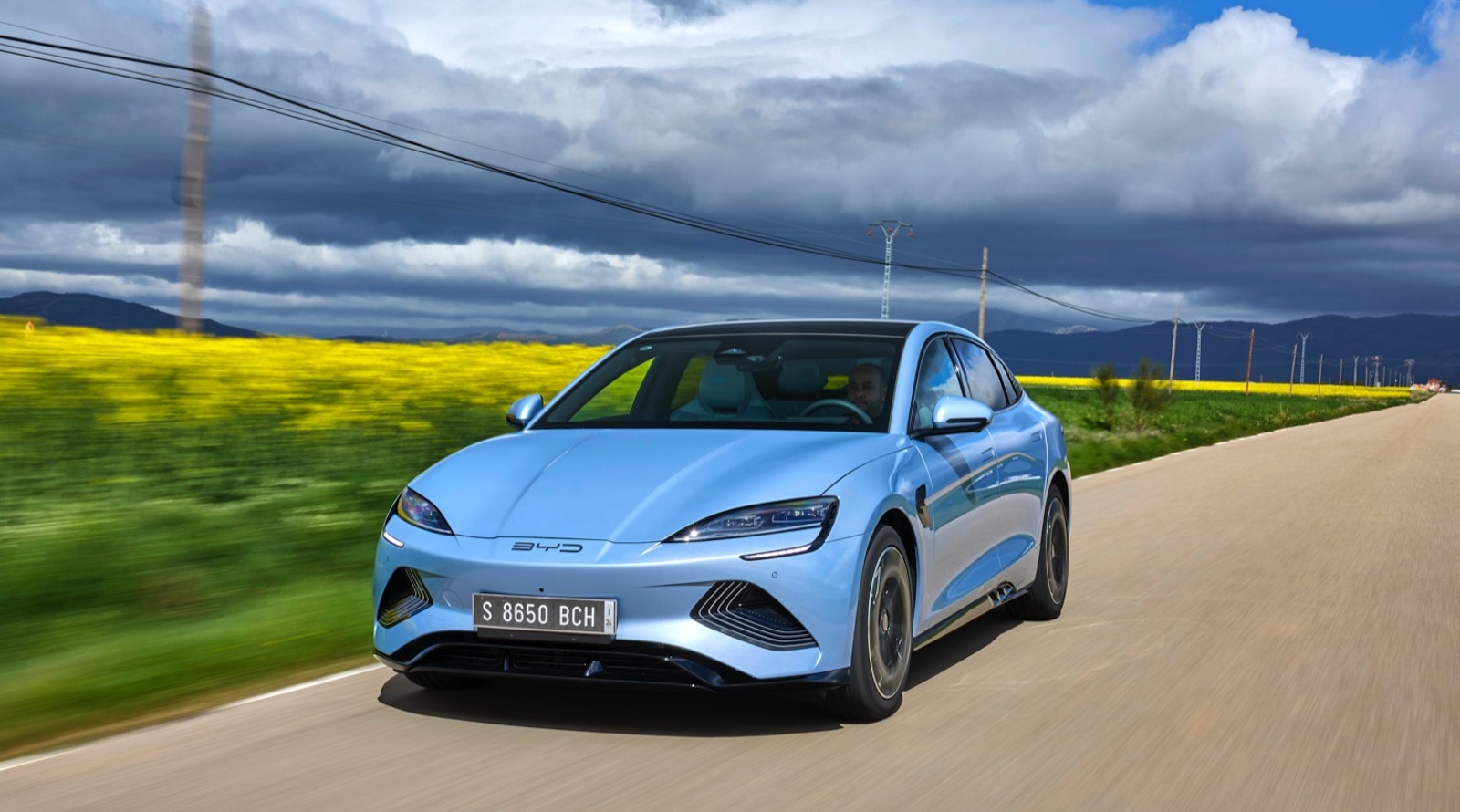
Electric vehicles (EVs) have made significant strides in displacing oil consumption globally, now accounting for the displacement of 1.2 million barrels of oil per day. This figure represents a remarkable increase from just 215,000 barrels a day in 2021, according to a recent analysis by Transport & Environment (T&E). Currently, battery electric vehicles (BEVs) make up about 4.2% of the global car fleet but constitute 25% of all new car sales worldwide, highlighting their rapid adoption.
The shift towards EVs is crucial as road transport is responsible for nearly half of the world's oil consumption. The analysis indicates that BEVs alone avoid over 200 million tons of CO2-equivalent emissions annually, underscoring their role in combating climate change. Additionally, electric buses and trucks contribute to this displacement, with estimates suggesting they account for an additional 320,000 barrels of oil savings per day.
Looking ahead, T&E projects that if current trends continue, EVs could displace approximately 5.8 million barrels of oil daily by 2034. This potential for significant oil displacement emphasizes the importance of accelerating EV adoption to mitigate future oil shocks and enhance energy security. Countries with high EV adoption rates, such as Norway and Denmark, have already insulated themselves from the volatility of fossil fuel markets.
As the global community prepares for COP31, there is a call for binding targets on electrification to further drive down oil demand and emissions. The transition to electric vehicles is not only a climate imperative but also a strategic move for national security, as highlighted by T&E's senior director, Antony Froggatt.
Sources
1 media- [1]EVs Displace 5 Times More Oil Globally Than They Did 5 Years Ago — AnalysisMedia
CleanTechnica · cleantechnica.com · published Nov 9
Newsletter
Weekly EV signal. No spam.
Comments
Log in with
Loading comments…