
EVs Aid Power Grid During Heat Wave Crisis
Updated July 5, 2026
3 min read
1 linked source
During a recent heat wave that strained power grids, electric vehicles (EVs) played a crucial role in stabilizing the electricity supply. Instead of overwhelming the grid, EVs contributed by feeding stored electricity back into the system, helping to keep air conditioning units operational. This development highlights the potential of EVs to support energy infrastructure during peak demand periods.
Share this story
Why it matters
- ✓EV owners may benefit from increased incentives for vehicle-to-grid technology, which allows them to sell back electricity to the grid.
- ✓The successful integration of EVs into the power grid could lead to improved charging infrastructure and more favorable electricity rates for EV owners.
- ✓This incident may enhance public perception of EVs, potentially increasing demand and resale values.
Reporting notes
EV Signal briefs are written to explain the verified change first, then add the context EV buyers and owners need to understand cost, availability, charging access, eligibility, or ownership impact.
If details are still developing, we try to say what is confirmed, what comes from secondary reporting, and what readers should verify before acting.
Source mix
1 linked source
1 media
Reviewed from: Electrek.
EVs Aid Power Grid During Heat Wave Crisis
During last week’s extreme heat wave, electric vehicles (EVs) played an unexpected yet vital role in stabilizing the power grid. Rather than contributing to the strain on electricity supplies, as some critics had feared, EVs helped utilities maintain service by feeding electricity stored in their batteries back into the grid. This marked a significant shift in how EVs can be viewed in the context of energy management during peak demand periods.
What Changed
As temperatures soared, the demand for electricity surged, putting immense pressure on power grids across the country. Critics had raised concerns that the increasing number of EVs could exacerbate the situation, pushing the grid to its limits. However, the opposite occurred: EVs became a resource for utilities, allowing them to draw on the energy stored in vehicle batteries to meet demand. This phenomenon demonstrated the potential of EVs to act as mobile energy storage units, contributing positively to grid stability.
Why It Matters for Buyers and Owners
-
Incentives for Vehicle-to-Grid Technology: The successful use of EVs to support the grid may lead to increased incentives for vehicle-to-grid (V2G) technology, which allows EV owners to sell excess electricity back to the grid. This could provide financial benefits to EV owners.
-
Improved Charging Infrastructure: As utilities recognize the value of EVs in stabilizing the grid, there may be investments in charging infrastructure that make it easier for EV owners to charge their vehicles during off-peak hours, potentially lowering costs.
-
Enhanced Public Perception: The positive role of EVs during a crisis could shift public perception, leading to increased demand for electric vehicles. This could drive up resale values and make EV ownership more appealing.
Key Details from Source Material
According to Electrek, the recent heat wave led to fears that the record number of EVs could push the power grid over the edge. However, instead of causing additional strain, these vehicles provided a solution by discharging energy back into the grid. This capability highlights the evolving role of EVs not just as vehicles but as integral components of the energy ecosystem.
What to Watch Next
As the integration of EVs into the power grid continues to evolve, it will be important to monitor how utilities adapt their infrastructure to accommodate this new dynamic. Additionally, keep an eye on potential policy changes that may arise from this incident, particularly regarding incentives for V2G technology and investments in charging infrastructure. The ongoing dialogue about the role of EVs in energy management will likely shape the future landscape for both buyers and owners in the EV market.
Sources
These are the documents and reports used to build this brief so readers can verify the story directly.
Comments
Log in with
Loading comments…
More in Ownership
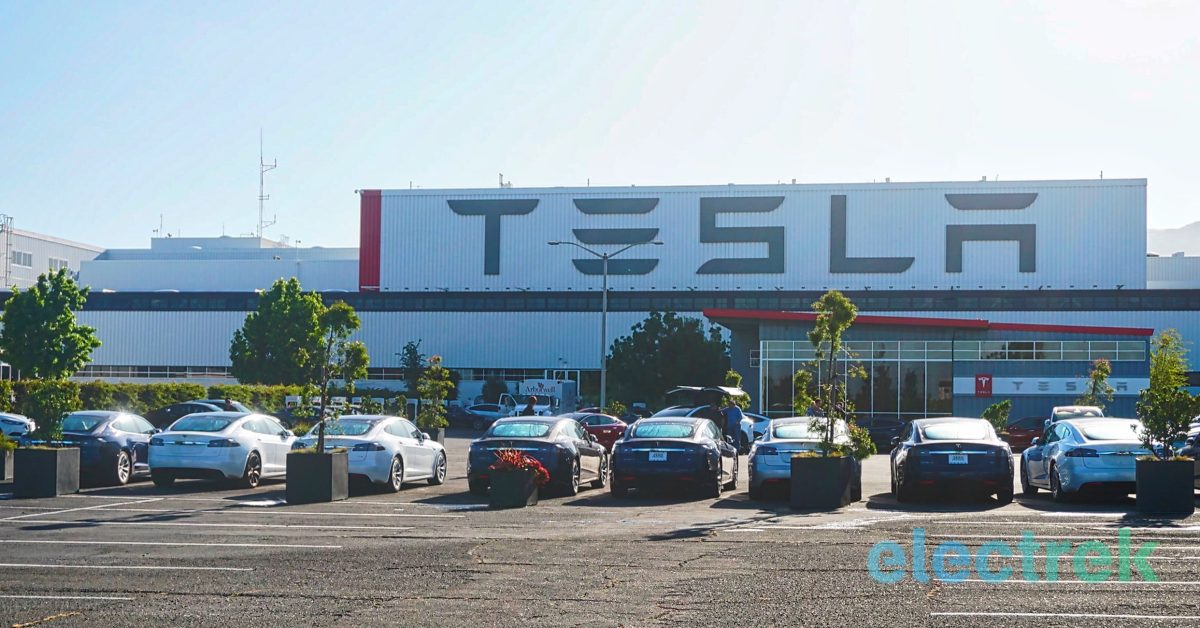
Tesla's Lawyers Misled Witness in Racism Trial
Tesla's ongoing racism trial in California has faced significant setbacks as it was revealed that a…
18h ago
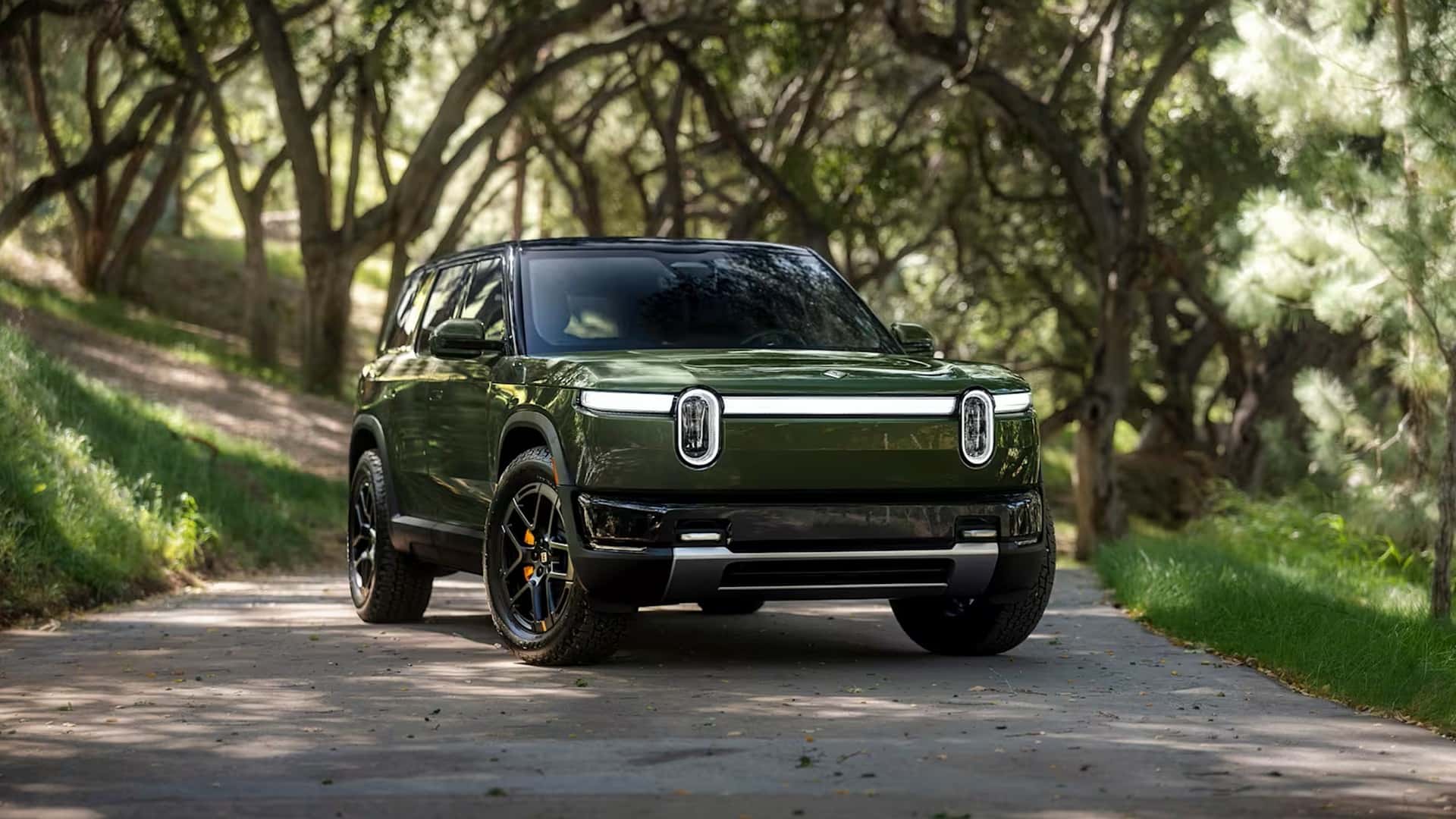
Rivian R2 Faces First Recall Due to Camera Issue
Rivian has issued a recall affecting nearly 99,000 vehicles, including some of its new R2 models,…
18h ago
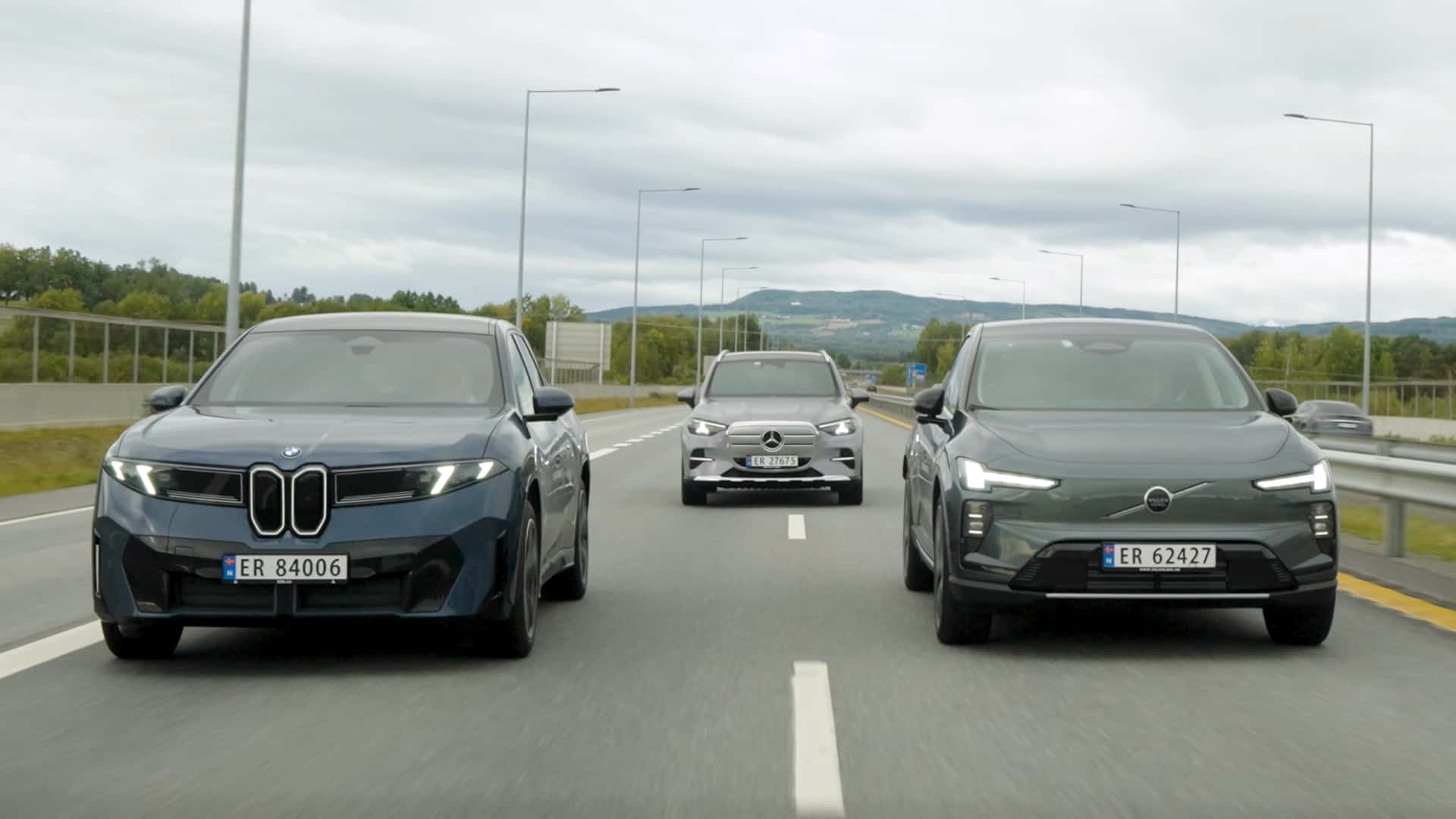
BMW iX3 Outperforms Mercedes GLC and Volvo EX60 in Highway Efficiency Test
In a recent highway test, the BMW iX3 demonstrated superior energy efficiency and range compared to…
1d ago
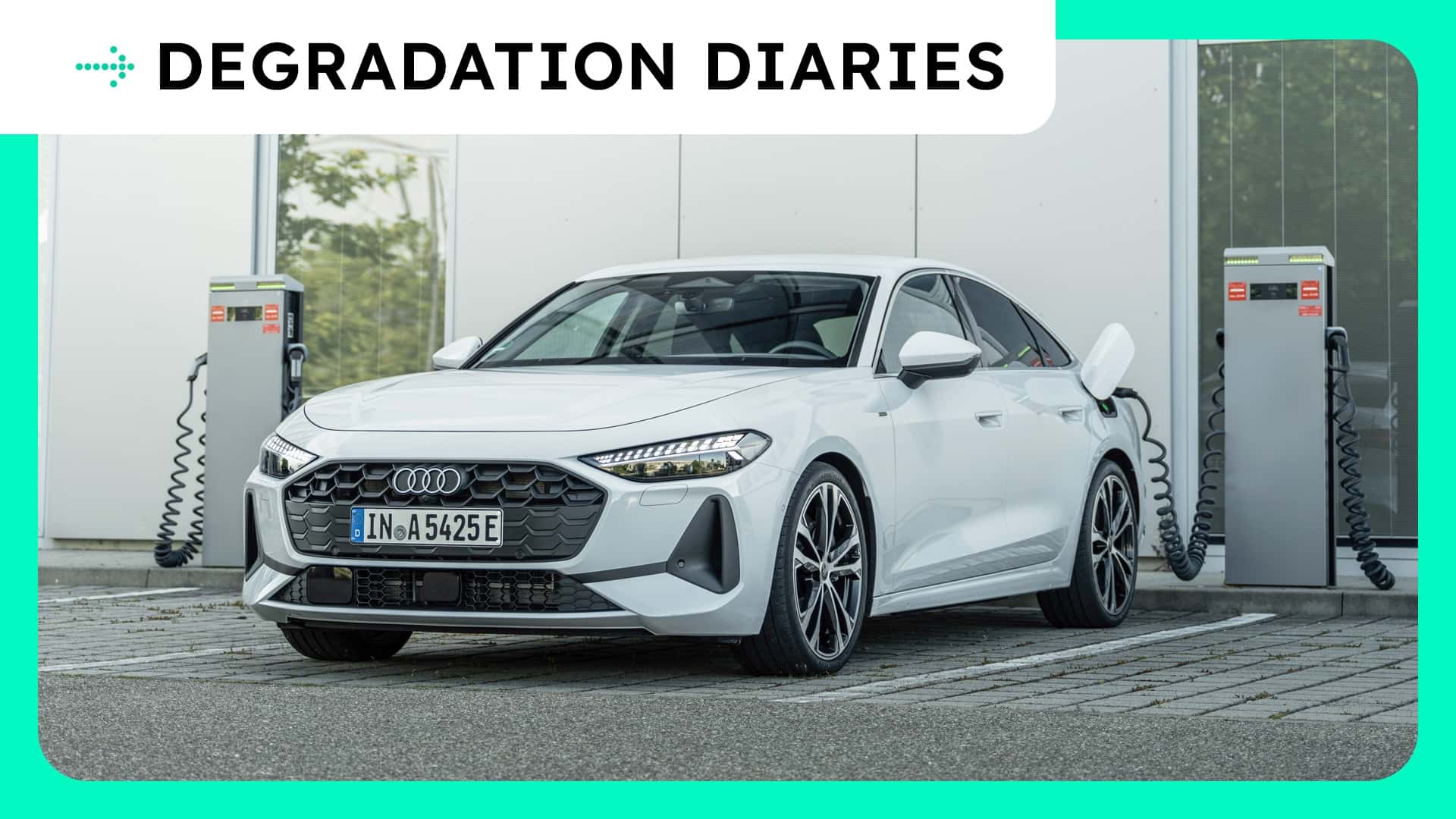
PHEV Batteries Show Resilience Despite Frequent Cycling
Plug-in hybrid electric vehicles (PHEVs) experience more frequent battery cycling than fully…
1d ago