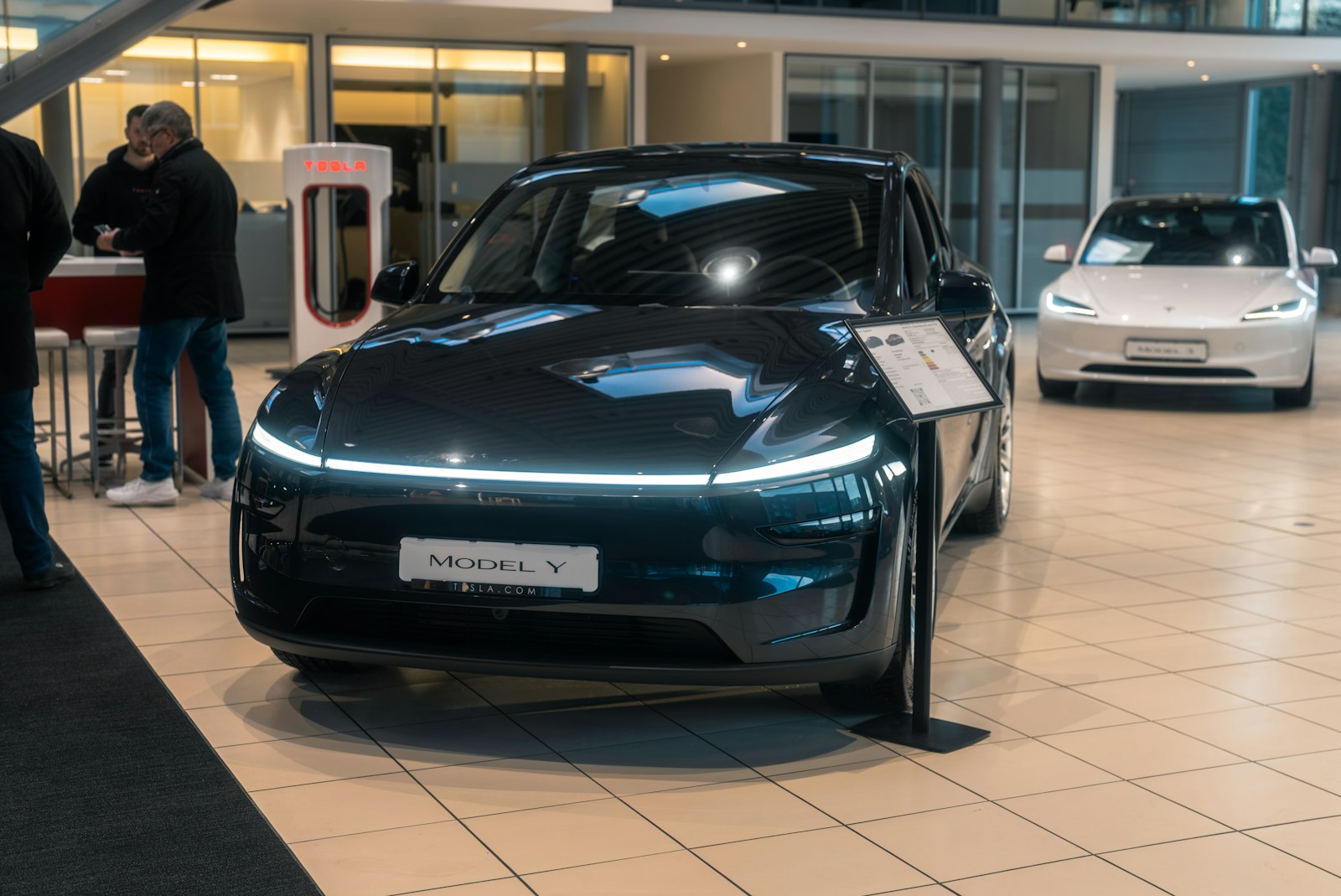
EV Prices Decrease, Narrowing Gap with Gas Cars to $6,500
Updated March 11, 2026
4 min read
1 linked source
In February, electric vehicle (EV) prices saw a decline, while prices for gas-powered cars increased, according to estimates from Kelley Blue Book. This shift has reduced the price difference between EVs and gas vehicles to $6,500, making EVs more competitive in the market.
Share this story
Why it matters
- ✓The reduced price gap may encourage more consumers to consider purchasing EVs.
- ✓As EV prices continue to fall, existing EV owners could see increased resale values.
- ✓Potential buyers may find it easier to justify the switch to an EV given the narrowing cost difference.
Reporting notes
EV Signal briefs are written to explain the verified change first, then add the context EV buyers and owners need to understand cost, availability, charging access, eligibility, or ownership impact.
If details are still developing, we try to say what is confirmed, what comes from secondary reporting, and what readers should verify before acting.
Source mix
1 linked source
1 media
Reviewed from: Electrek.
EV Prices Decrease, Narrowing Gap with Gas Cars to $6,500
In February 2023, the electric vehicle (EV) market experienced a notable shift as prices for EVs saw a decline, while the cost of gas-powered vehicles increased. According to estimates from Kelley Blue Book, this change has reduced the price difference between electric and gas vehicles to approximately $6,500. This narrowing gap has significant implications for consumers considering the switch to electric vehicles, as well as for current EV owners.
The Current State of EV Pricing
The Kelley Blue Book report indicates that the average price of electric vehicles has decreased, making them more accessible to a broader range of consumers. This trend is particularly important as the automotive market continues to evolve, with more manufacturers entering the EV space and expanding their offerings. The decline in EV prices can be attributed to several factors, including advancements in battery technology, increased production efficiency, and a growing competitive landscape among automakers.
In contrast, the prices of gas-powered vehicles have been on the rise. This increase can be linked to a variety of factors, including supply chain disruptions, rising raw material costs, and fluctuating fuel prices. As a result, the cost of ownership for traditional vehicles is becoming less favorable, further enhancing the appeal of electric alternatives.
Implications for Consumers
The reduction in the price gap between EVs and gas vehicles is a significant development for potential buyers. With the difference now standing at $6,500, many consumers may find it easier to justify the switch to an electric vehicle. This is particularly relevant as more individuals become environmentally conscious and seek sustainable transportation options.
Increased Consideration for EVs
As the price difference narrows, consumers who may have previously hesitated to purchase an EV due to cost concerns may now be more inclined to consider the switch. The financial incentives associated with owning an electric vehicle—such as lower operating costs, tax credits, and reduced maintenance expenses—become more appealing when the initial purchase price is closer to that of gas-powered vehicles.
Moreover, the growing availability of EV models across various price points means that consumers have more choices than ever. From affordable compact cars to luxury SUVs, the expanding range of options allows buyers to find an electric vehicle that fits their budget and lifestyle.
Resale Value Considerations for Existing EV Owners
For current EV owners, the decrease in EV prices and the narrowing gap with gas vehicles could lead to increased resale values. As the market becomes more competitive and consumer interest in electric vehicles grows, the demand for used EVs may rise. This trend could benefit existing owners looking to sell or trade in their vehicles, as they may find that their EVs hold their value better than before.
Additionally, as more consumers enter the EV market, the perception of electric vehicles as a viable and desirable option will continue to strengthen. This shift in perception can further enhance the resale value of existing EVs, making it a more attractive proposition for current owners.
The Broader Impact on the Automotive Market
The narrowing price gap between EVs and gas vehicles is not just a win for consumers; it also signals a broader transformation within the automotive industry. As manufacturers invest heavily in electric vehicle technology and production, the competitive landscape is shifting. Traditional automakers are ramping up their EV offerings, while new players are entering the market, all of which contribute to increased competition and innovation.
This competitive environment is likely to drive further advancements in battery technology, charging infrastructure, and overall vehicle performance. As automakers strive to differentiate their offerings, consumers can expect to see improvements in range, charging speed, and features, making electric vehicles even more appealing.
Conclusion
The recent decline in electric vehicle prices, coupled with the increase in gas-powered vehicle costs, has narrowed the gap between the two types of vehicles to $6,500. This shift is significant for potential buyers, as it may encourage more consumers to consider making the switch to electric vehicles. Additionally, existing EV owners could benefit from increased resale values as demand for used electric vehicles rises.
As the automotive market continues to evolve, the implications of this price shift will be felt across the industry. With more options available and a growing focus on sustainability, the future of electric vehicles looks promising. For consumers, the time to consider an electric vehicle has never been more favorable, as the financial and environmental benefits align more closely than ever before.
Sources
These are the documents and reports used to build this brief so readers can verify the story directly.
Comments
Log in with
Loading comments…
More in Buying

Ausom Launches Fall Sale on Electric Scooters
Ausom is holding a Fall Sale this month, offering discounts on its range of electric scooters,…
Just now
BMW Opens US Reservations for New i3 Ahead of Schedule
BMW has announced that it will open reservations for the new i3 in the United States earlier than…
12h ago

Jackery Explorer 5000 Plus Power Station Discounted by $1,000
The Jackery Explorer 5000 Plus Portable Power Station is now available for $1,499, reflecting a…
18h ago
BMW i3 EV Reservations Open Early in the U.S.
BMW has announced that it will begin accepting reservations for the new i3 electric sedan ahead of…
1d ago