EU-UK Trade Agreement: New Rules for Electric Vehicle Exports

Edited by Ionna Brakeley
Charging & Ownership
Updated October 14, 2026
3 min read
1 linked source
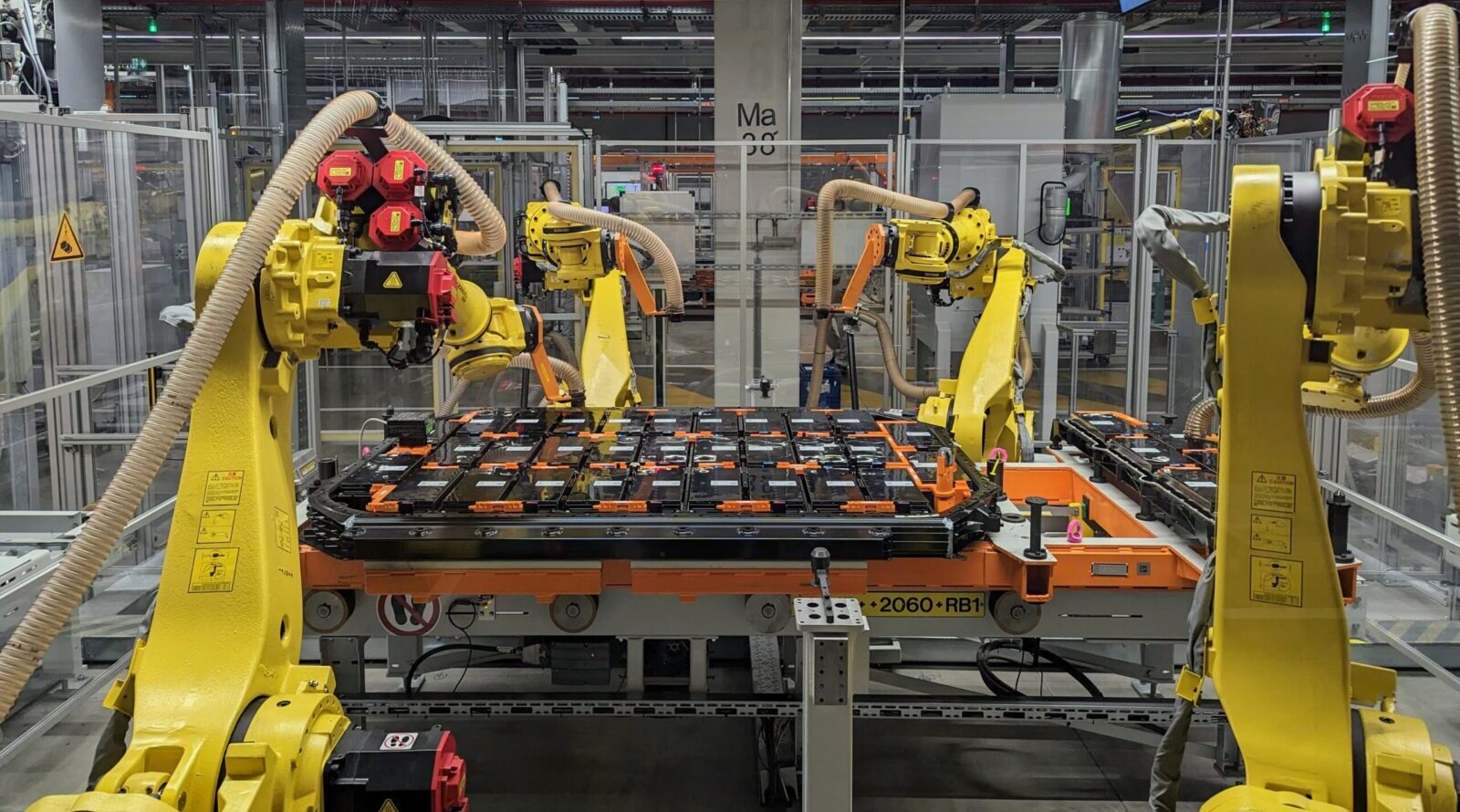
The EU-UK Trade and Cooperation Agreement (TCA) has introduced specific rules of origin requirements for electric vehicle (EV) batteries, marking a significant step in the EU's 'Made in EU' initiative. This change primarily affects manufacturers exporting EVs from the EU to the UK, as compliance with local content rules will be necessary. However, the implications for consumers and the broader market are still unfolding.
Share this story
Why it matters
- ✓Potentially higher prices for EVs exported from the EU to the UK due to compliance costs.
- ✓Increased focus on local battery production may enhance the availability of EVs in the EU market.
- ✓Consumers may benefit from improved quality and reliability of locally produced batteries.
Overview of the Change
The EU-UK Trade and Cooperation Agreement (TCA) has established new rules of origin requirements specifically for electric vehicle (EV) batteries. This marks a pivotal moment in the EU's efforts to promote its 'Made in EU' agenda, as these regulations are among the most concrete local content rules currently in place for the battery sector. The changes primarily impact manufacturers exporting EVs from the EU to the UK, necessitating compliance with these local content rules.
What Changed?
The TCA's rules of origin stipulate that a certain percentage of the components used in EV batteries must be sourced from within the EU. This requirement aims to bolster local manufacturing and reduce reliance on imports, particularly from regions outside Europe. The proposal has been met with scrutiny, particularly from the European Automobile Manufacturers Association (ACEA), which has raised concerns about the feasibility and implications of these requirements for the industry.
Why It Matters for Buyers and Owners
-
Price Implications: The new rules may lead to increased production costs for manufacturers, which could be passed on to consumers in the form of higher prices for EVs exported to the UK.
-
Availability of EVs: As manufacturers adapt to these regulations, there may be a shift in the availability of certain EV models in the UK market, particularly those that rely heavily on imported battery components.
-
Quality and Reliability: By encouraging local production of batteries, the TCA could enhance the overall quality and reliability of EVs, benefiting consumers who prioritize performance and longevity in their vehicles.
Key Details from Source Material
According to CleanTechnica, the TCA's rules of origin requirements are the most definitive local content regulations for batteries currently in effect. This situation serves as a test case for the EU's ability to effectively implement its 'Made in EU' strategy. The ACEA's proposal, which has been criticized, suggests that the new rules could complicate trade and increase costs for manufacturers, potentially impacting the overall EV market in the UK.
What to Watch Next
As the implications of the TCA's rules unfold, it will be important for consumers and industry stakeholders to monitor how manufacturers respond to these requirements. Key areas to watch include:
- Manufacturer Compliance: How quickly and effectively manufacturers adapt their supply chains to meet the new local content standards.
- Market Reactions: Changes in EV pricing and availability in the UK market as manufacturers navigate the new regulations.
- Future Policy Developments: Any adjustments to the TCA or additional proposals from industry groups like ACEA that may affect the landscape of EV exports between the EU and the UK.
In conclusion, while the TCA's rules of origin for EV batteries represent a significant regulatory change, the full impact on buyers and owners will depend on how the industry adapts to these new requirements in the coming months.
Sources
These are the documents and reports used to build this brief so readers can verify the story directly.
- EU-UK TCA: Getting Made in Europe Rules Right — CleanTechnicaMEDIA
Reporting notes
EV Signal briefs are written to explain the verified change first, then add the context EV buyers and owners need to understand cost, availability, charging access, eligibility, or ownership impact.
If details are still developing, we try to say what is confirmed, what comes from secondary reporting, and what readers should verify before acting.
Source mix
1 linked source
1 media
Reviewed from: CleanTechnica.
Comments
Log in with
Loading comments…
More in Ownership

Impact of EV Adoption on Denmark's Fossil Fuel Ecosystem
As electric vehicles (EVs) increasingly dominate Denmark's road fleet, significant changes are…
1h ago

Volt Solar Tile Progress Update
Volt CEO Peter Leeson provided an update on the company's solar tile product, which has been in…
1h ago

Sober Drivers Face Increased Nighttime Risk: A Call for Safe System Approach
Sober drivers are nearly four times more likely to be involved in fatal accidents at night compared…
1h ago

BMW Acknowledges Long-Standing Insights on Driving Habits
BMW has recently recognized insights regarding daily driving habits that have been discussed for…
1h ago