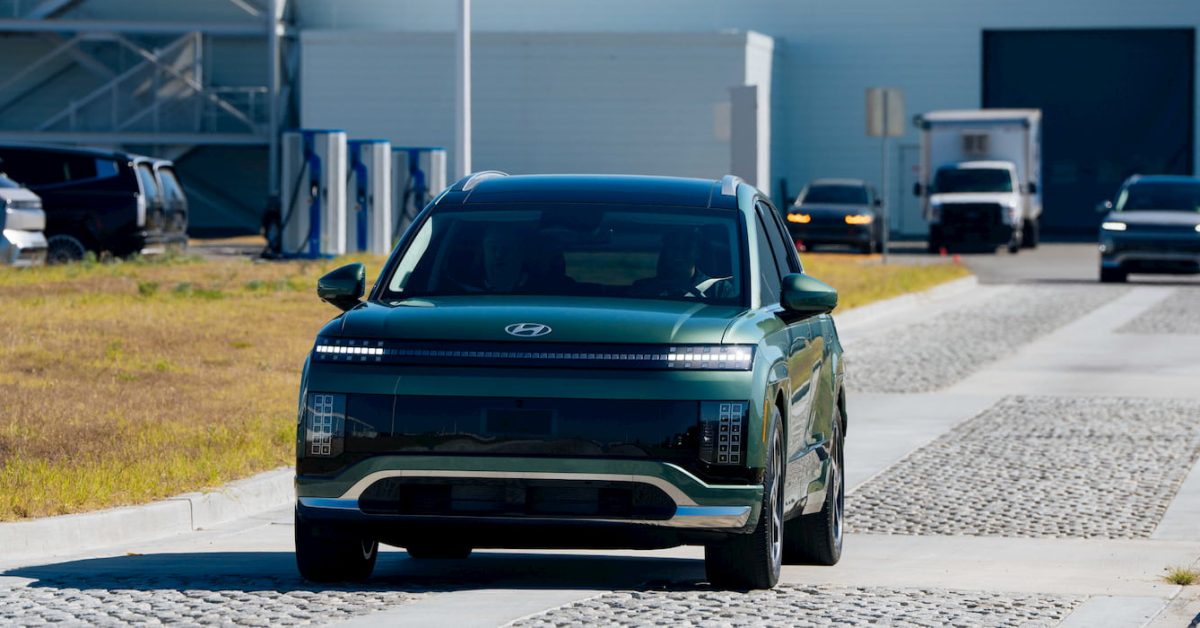
Europe's EV Sales Reach 25% of New Car Market
Electric vehicles (EVs) now account for a quarter of all new car sales in Europe, driven by rising fuel prices that are pushing consumers toward more sustainable options. This shift indicates a significant change in consumer behavior, but the long-term implications for the market and infrastructure remain to be fully understood.

Key takeaways
30-second read- 1Increased EV sales may lead to more investment in charging infrastructure, improving access for current and future EV owners.
- 2As demand grows, prices for EVs may stabilize or even decrease, making them more accessible to a broader audience.
- 3The shift in consumer preference could influence government policies and incentives aimed at promoting electric vehicle adoption.
Confirmed
No official source linked yet
Reported
Secondary reporting: InsideEVs
Verify yourself
Eligibility, local prices and dates for your car, state or utility
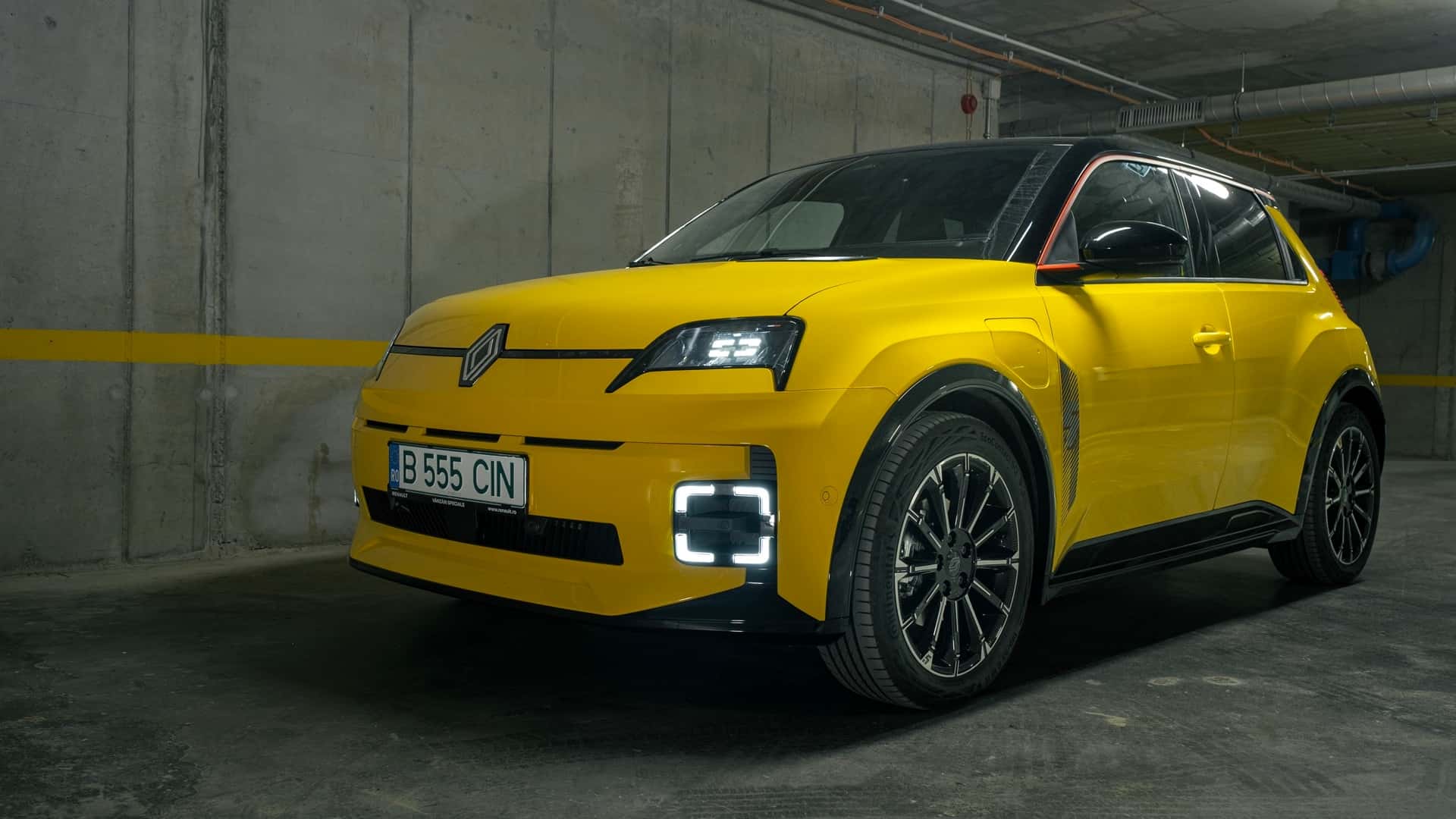
Electric vehicles (EVs) have made a remarkable leap in the European automotive market, now constituting 25% of all new car sales. This significant milestone reflects a growing consumer shift towards electric mobility, largely influenced by rising fuel prices that are prompting buyers to consider the long-term savings associated with EV ownership.
What Changed
According to a report from InsideEVs, the surge in EV sales is a direct response to fluctuating fuel prices, which have made traditional gasoline and diesel vehicles less appealing. As consumers become more aware of the cost benefits of electric vehicles over time, the demand for EVs is expected to continue its upward trajectory.
Why It Matters for Buyers and Owners
The increase in EV sales has several implications for current and prospective EV owners:
- Charging Infrastructure: A higher volume of EVs on the road can lead to increased investment in charging infrastructure, making it easier for owners to charge their vehicles and reducing range anxiety.
- Market Dynamics: As more consumers opt for electric vehicles, manufacturers may respond by increasing production, which could lead to more competitive pricing and a wider variety of models available to buyers.
- Government Policies: The growing acceptance of EVs may influence government policies and incentives, potentially leading to more favorable conditions for EV buyers, such as tax breaks or subsidies.
Key Details from Source Material
The report highlights that the rise in EV sales is not merely a trend but a significant shift in consumer behavior. With fuel prices rising, many Europeans are recognizing the long-term financial benefits of switching to electric vehicles. This change is expected to have lasting effects on the automotive market, influencing everything from vehicle availability to charging infrastructure development.
What to Watch Next
While the current surge in EV sales is promising, it is essential to monitor how this trend develops in the coming months. Key areas to watch include:
- Government Response: How will governments adapt their policies to support this growing market?
- Infrastructure Development: Will the increase in EV sales lead to a corresponding rise in charging stations and support services?
- Consumer Trends: Will the trend continue as fuel prices fluctuate, or will other factors come into play that could affect consumer decisions?
In conclusion, Europe's EV sales reaching a quarter of new car purchases marks a significant milestone in the transition to electric mobility. As this trend continues, it will be crucial for buyers and owners to stay informed about the evolving landscape of the EV market.
Sources
1 media- [1]Europe’s EV Sales Explode, Now Making Up A Quarter Of New CarsMedia
InsideEVs · insideevs.com · published Aug 24
Newsletter
Weekly EV signal. No spam.
Comments
Log in with
Loading comments…