Europe Faces Challenges in Accelerating Electric Trucking
Europe is experiencing high diesel costs, which is increasing interest in electric trucking. However, the transition to electric trucks is progressing slowly, with various challenges still to be addressed. This situation affects freight companies and the overall economy as they seek more sustainable and cost-effective solutions.

Key takeaways
30-second read- 1Rising diesel prices may lead to increased operational costs for freight companies, pushing them to consider electric options.
- 2Slow electrification could delay the availability of electric trucks, impacting buyers' choices and market competition.
- 3The transition to electric trucking is crucial for reducing emissions, which may influence regulatory policies affecting EV ownership.
Confirmed
No official source linked yet
Reported
Secondary reporting: CleanTechnica
Verify yourself
Eligibility, local prices and dates for your car, state or utility
Overview of the Current Situation
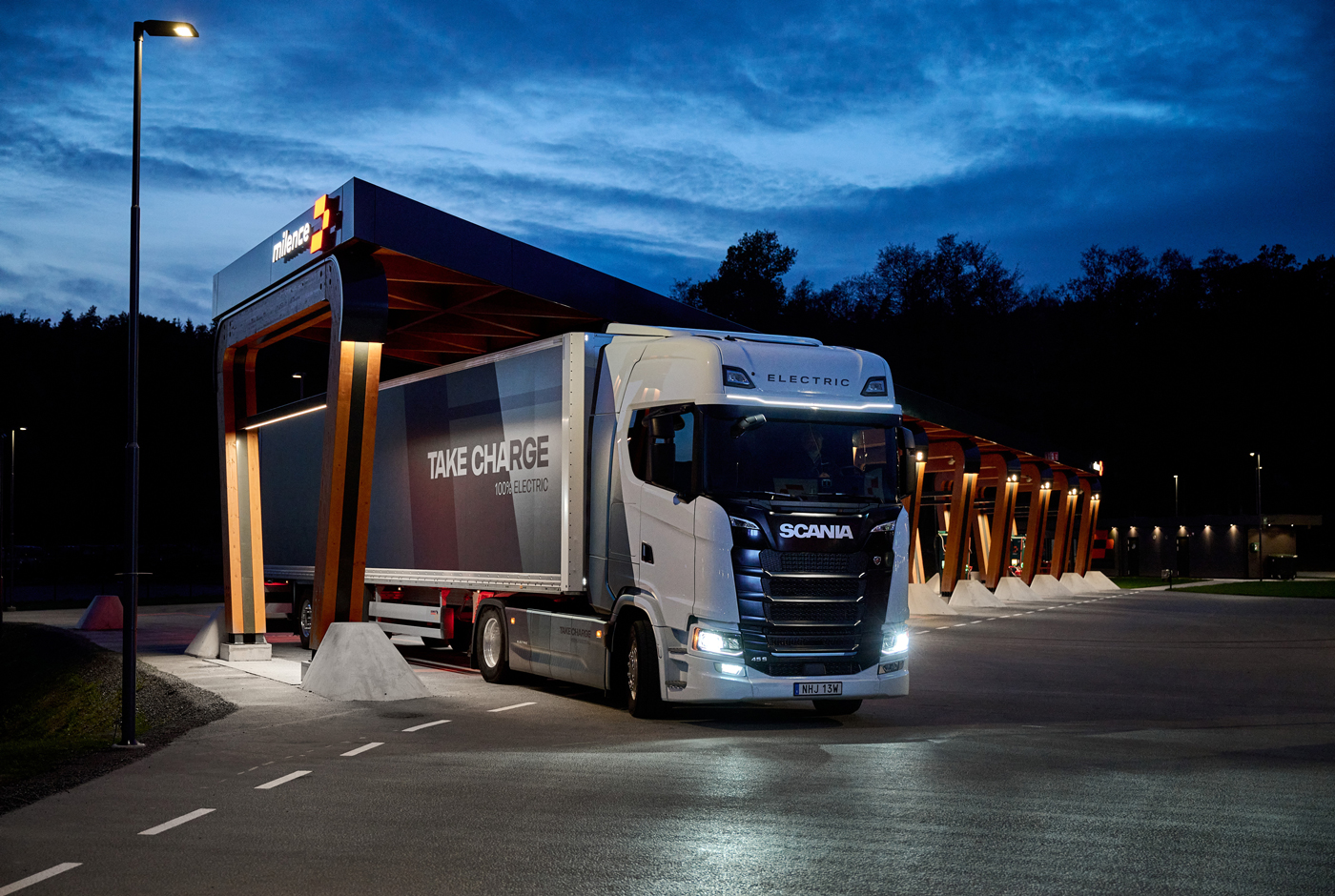
Europe is currently facing significant challenges in accelerating the transition to electric trucking. With diesel prices soaring, there is a heightened interest in electrifying freight transport. However, the pace of this transition remains slow, raising concerns among industry stakeholders.
What Changed?
The high costs of diesel fuel are prompting freight companies across Europe to explore electric trucking options more seriously. As economies grapple with rising oil prices, the urgency for sustainable and cost-effective transportation solutions has never been more pronounced. Despite this interest, the actual shift towards electric trucks is lagging, with various barriers hindering progress.
Why It Matters for Buyers and Owners
The slow transition to electric trucking has several implications for buyers and owners:
- Operational Costs: With diesel prices on the rise, freight companies may face increased operational costs, which could lead them to consider electric trucks as a viable alternative.
- Market Availability: The sluggish pace of electrification could limit the availability of electric trucks in the market, affecting buyers' options and potentially stalling competition among manufacturers.
- Regulatory Impact: As Europe pushes for greener transportation solutions, the transition to electric trucks is essential for meeting emissions targets. This could lead to new regulations that impact EV ownership and operational practices in the freight sector.
Key Details from Source Material
According to CleanTechnica, the current economic climate in Europe, characterized by high diesel costs, is driving interest in electric trucking. However, the article highlights that the response from truck manufacturers has not been swift enough to meet the growing demand for electrification. The challenges include technological hurdles, infrastructure limitations, and the need for more robust policies to support the transition.
What to Watch Next
As the situation continues to evolve, stakeholders in the freight industry should keep an eye on:
- Policy Developments: Watch for any new regulations or incentives that may emerge to support electric trucking in Europe.
- Manufacturer Innovations: Monitor advancements from truck manufacturers as they develop new electric models and technologies.
- Market Trends: Pay attention to shifts in the market as companies adapt to rising diesel costs and explore electric options more aggressively.
In conclusion, while the interest in electric trucking is growing due to high diesel prices, the transition is hindered by various challenges that need to be addressed. Stakeholders must remain vigilant as the landscape evolves.
Sources
1 media- [1]How Can Europe Accelerate Electric Trucking?Media
CleanTechnica · cleantechnica.com · published Nov 5
Newsletter
Weekly EV signal. No spam.
Comments
Log in with
Loading comments…