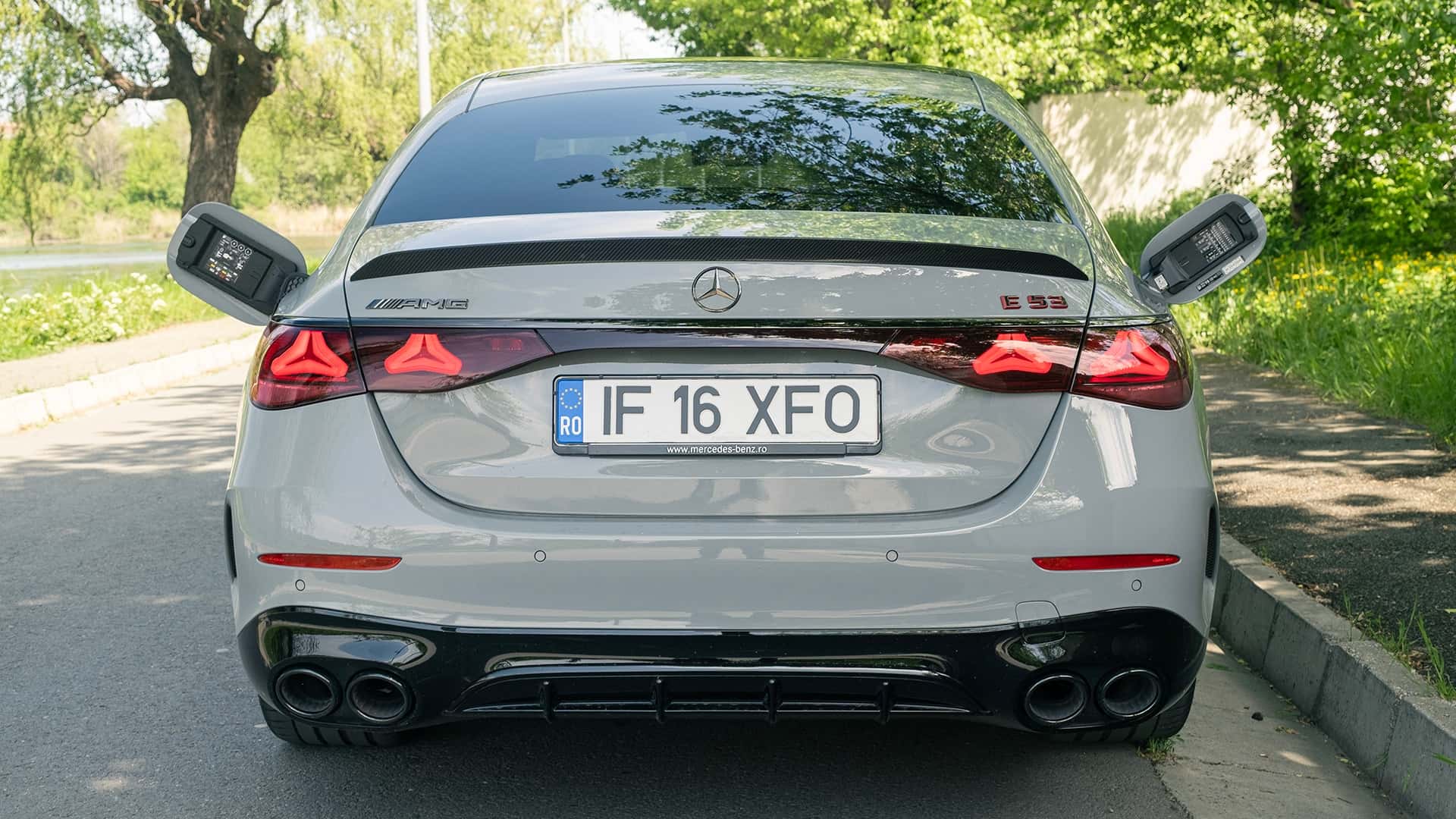
EU Reports Plug-In Hybrids Emit Six Times More CO2 Than Advertised
Updated September 8, 2026
3 min read
1 linked source
The European Union has revealed that plug-in hybrid electric vehicles (PHEVs) emit, on average, six times more CO2 than manufacturers claim. This discrepancy raises concerns about the environmental impact of PHEVs, yet automakers appear to be resistant to addressing the issue. The findings could influence consumer perceptions and regulatory actions regarding PHEVs in the future.
Share this story
Why it matters
- ✓Potential changes in regulations could affect the availability and incentives for PHEVs, impacting buyer decisions.
- ✓Increased emissions could lead to higher ownership costs if governments impose penalties or stricter emissions standards.
- ✓Consumers may need to reconsider the environmental benefits of PHEVs versus fully electric vehicles.
Reporting notes
EV Signal briefs are written to explain the verified change first, then add the context EV buyers and owners need to understand cost, availability, charging access, eligibility, or ownership impact.
If details are still developing, we try to say what is confirmed, what comes from secondary reporting, and what readers should verify before acting.
Source mix
1 linked source
1 media
Reviewed from: InsideEVs.
EU Emissions Findings on PHEVs
The European Union has reported that plug-in hybrid electric vehicles (PHEVs) emit, on average, six times more CO2 than manufacturers officially claim. This significant discrepancy raises serious questions about the environmental benefits of PHEVs, which are often marketed as a greener alternative to traditional gasoline vehicles. Despite these findings, automakers have shown little urgency in addressing the emissions issue, suggesting a potential delay in implementing necessary fixes.
What Changed
The EU's findings indicate that the emissions from PHEVs are far greater than what consumers are led to believe. This revelation comes at a time when many buyers are considering PHEVs as a compromise between electric and gasoline vehicles, often due to concerns about charging infrastructure and range anxiety. The report highlights a troubling trend where manufacturers may prioritize sales over environmental accountability.
Why It Matters for Buyers and Owners
- Regulatory Implications: If the EU decides to impose stricter regulations or penalties based on these emissions findings, it could affect the market for PHEVs. Buyers may face reduced incentives or increased costs associated with ownership.
- Ownership Costs: Higher emissions could lead to increased taxes or fees for PHEV owners, impacting the overall cost of ownership. Consumers may need to factor in these potential costs when considering a PHEV purchase.
- Consumer Trust: The gap between advertised and actual emissions may erode consumer trust in PHEVs. Buyers looking for environmentally friendly options may reconsider their choices, potentially shifting towards fully electric vehicles (EVs) instead.
Key Details from Source Material
According to InsideEVs, the EU's assessment of PHEV emissions reveals a stark contrast between official claims and real-world data. Automakers have been criticized for their lack of action in addressing this emissions gap, which raises ethical questions about marketing practices in the automotive industry. The findings suggest that while PHEVs can offer some benefits, their actual environmental impact may be far less favorable than advertised.
What to Watch Next
As this situation develops, it will be important to monitor any regulatory changes from the EU regarding emissions standards for PHEVs. Additionally, consumer reactions to these findings could influence automaker strategies and marketing approaches. Buyers should stay informed about potential changes in incentives or penalties that may affect the attractiveness of PHEVs in the coming months. The ongoing dialogue about emissions transparency and accountability in the automotive industry will also be crucial for shaping future policies and consumer choices.
Sources
These are the documents and reports used to build this brief so readers can verify the story directly.
Comments
Log in with
Loading comments…
More in Ownership
Tesla's Lawyers Misled Witness in Racism Trial
Tesla's ongoing racism trial in California has faced significant setbacks as it was revealed that a…
18h ago
Rivian R2 Faces First Recall Due to Camera Issue
Rivian has issued a recall affecting nearly 99,000 vehicles, including some of its new R2 models,…
18h ago
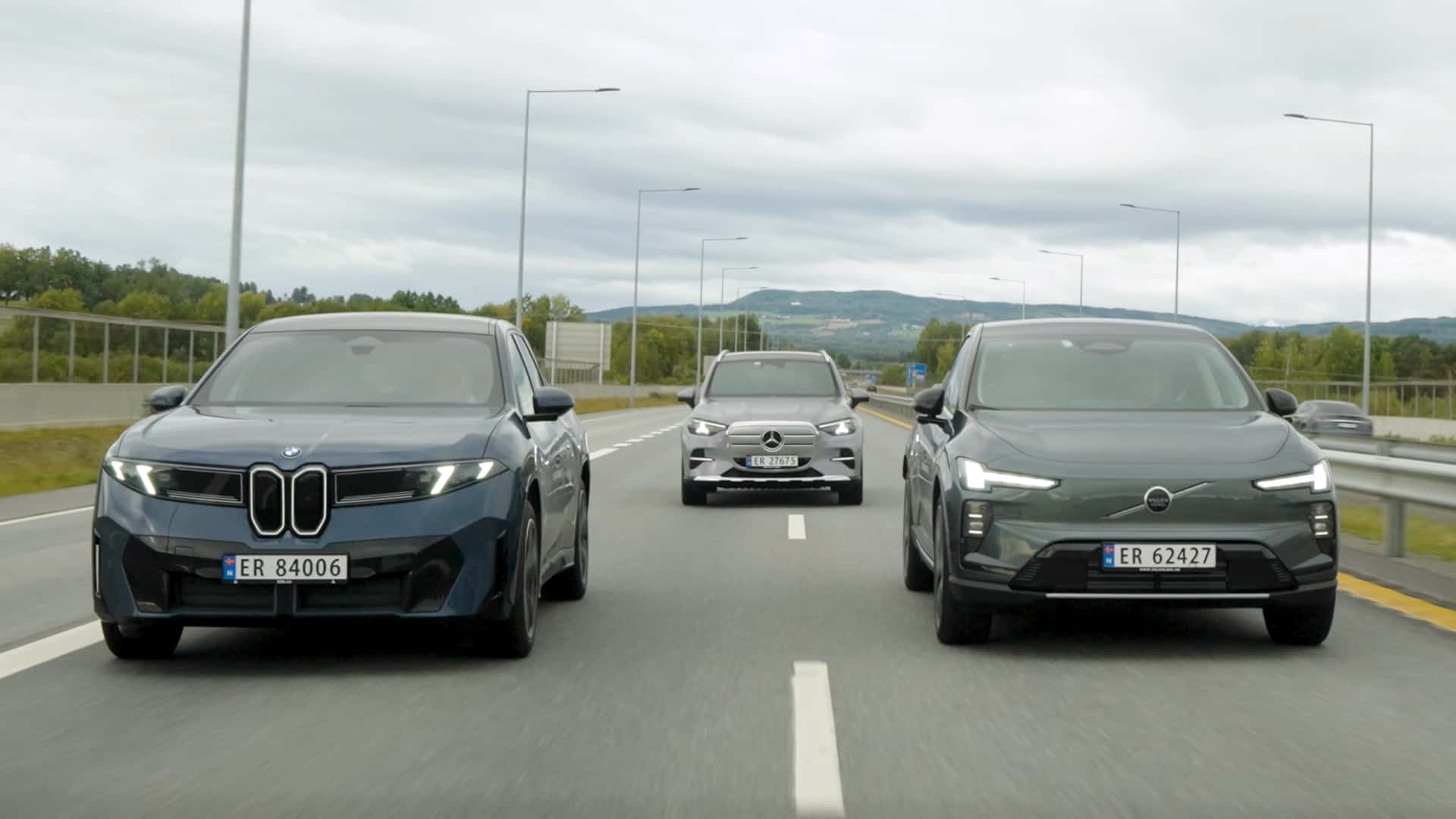
BMW iX3 Outperforms Mercedes GLC and Volvo EX60 in Highway Efficiency Test
In a recent highway test, the BMW iX3 demonstrated superior energy efficiency and range compared to…
1d ago
PHEV Batteries Show Resilience Despite Frequent Cycling
Plug-in hybrid electric vehicles (PHEVs) experience more frequent battery cycling than fully…
1d ago