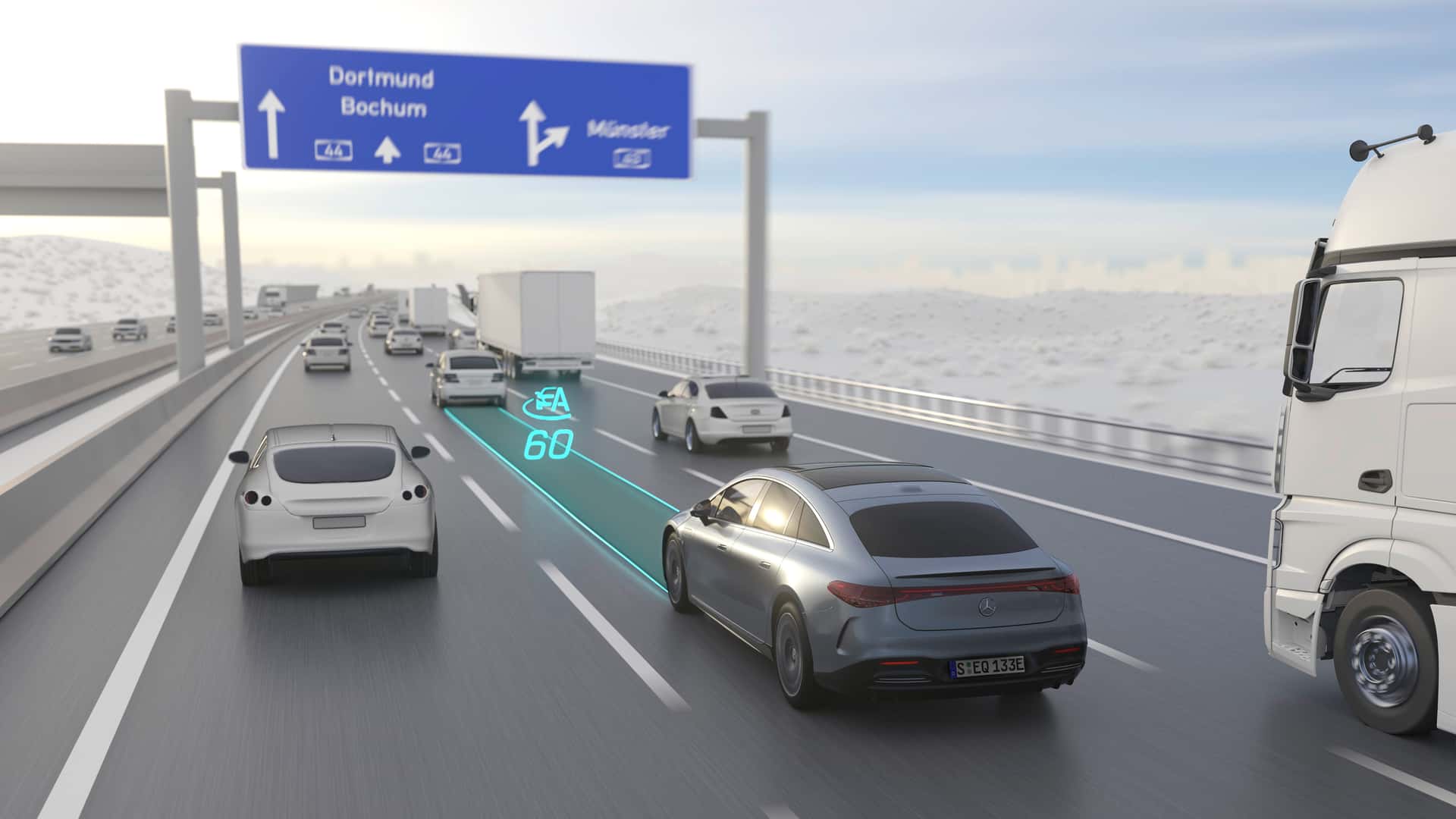
EU Proposes Satellite System to Automatically Limit Car Speeding
Updated July 9, 2026
3 min read
1 linked source
The European Union is considering a satellite-based detection system that would automatically reduce a car's power output if it is found to be speeding. This proposal aims to enhance road safety and reduce traffic violations across member states. The specifics of implementation and technology remain uncertain at this stage.
Share this story
Why it matters
- ✓Potentially increases safety for EV owners by reducing speeding incidents.
- ✓Could lead to changes in vehicle performance characteristics, affecting driving experience.
- ✓May influence insurance rates and ownership costs depending on compliance and enforcement.
Reporting notes
EV Signal briefs are written to explain the verified change first, then add the context EV buyers and owners need to understand cost, availability, charging access, eligibility, or ownership impact.
If details are still developing, we try to say what is confirmed, what comes from secondary reporting, and what readers should verify before acting.
Source mix
1 linked source
1 media
Reviewed from: InsideEVs.
EU Proposes Satellite System to Automatically Limit Car Speeding
The European Union is exploring a new initiative that would utilize satellite technology to monitor vehicle speeds and automatically adjust a car's power output if it exceeds legal limits. This proposal aims to enhance road safety and reduce the frequency of speeding violations across EU member states.
What Changed
According to a report from InsideEVs, the proposed satellite-based detection system would function by identifying when a vehicle is speeding. If the system detects that a car is exceeding the speed limit, it would automatically reduce the vehicle's power output, thereby slowing it down. This initiative is part of broader efforts by the EU to improve road safety and reduce traffic-related incidents.
Why It Matters for Buyers and Owners
This development could have several implications for electric vehicle (EV) buyers and owners:
- Safety Enhancements: By potentially reducing speeding incidents, this system could lead to safer roads, benefiting all drivers, including EV owners.
- Performance Impact: The automatic reduction of power output may alter the driving experience for EV owners, who are accustomed to responsive acceleration and performance.
- Insurance and Ownership Costs: Depending on how this system is implemented, it could influence insurance rates and overall ownership costs, particularly if compliance with such regulations becomes mandatory.
Key Details from Source Material
The report from InsideEVs highlights that the EU's proposal is still in the consideration phase, and specific details regarding the technology and implementation timeline are not yet confirmed. The initiative reflects a growing trend towards using technology to enforce traffic laws and enhance safety measures on the roads.
What to Watch Next
As this proposal develops, it will be important to monitor discussions within the EU regarding the technical feasibility of such a system, as well as any potential pushback from automotive manufacturers and consumers. Stakeholders will likely weigh in on the implications for vehicle design and performance, as well as the broader impact on driving freedoms and regulations in the EU. Keep an eye on updates from EU regulatory bodies and automotive industry responses to gauge how this initiative may evolve.
Sources
These are the documents and reports used to build this brief so readers can verify the story directly.
Comments
Log in with
Loading comments…
More in Ownership
Tesla's Lawyers Misled Witness in Racism Trial
Tesla's ongoing racism trial in California has faced significant setbacks as it was revealed that a…
18h ago
Rivian R2 Faces First Recall Due to Camera Issue
Rivian has issued a recall affecting nearly 99,000 vehicles, including some of its new R2 models,…
18h ago
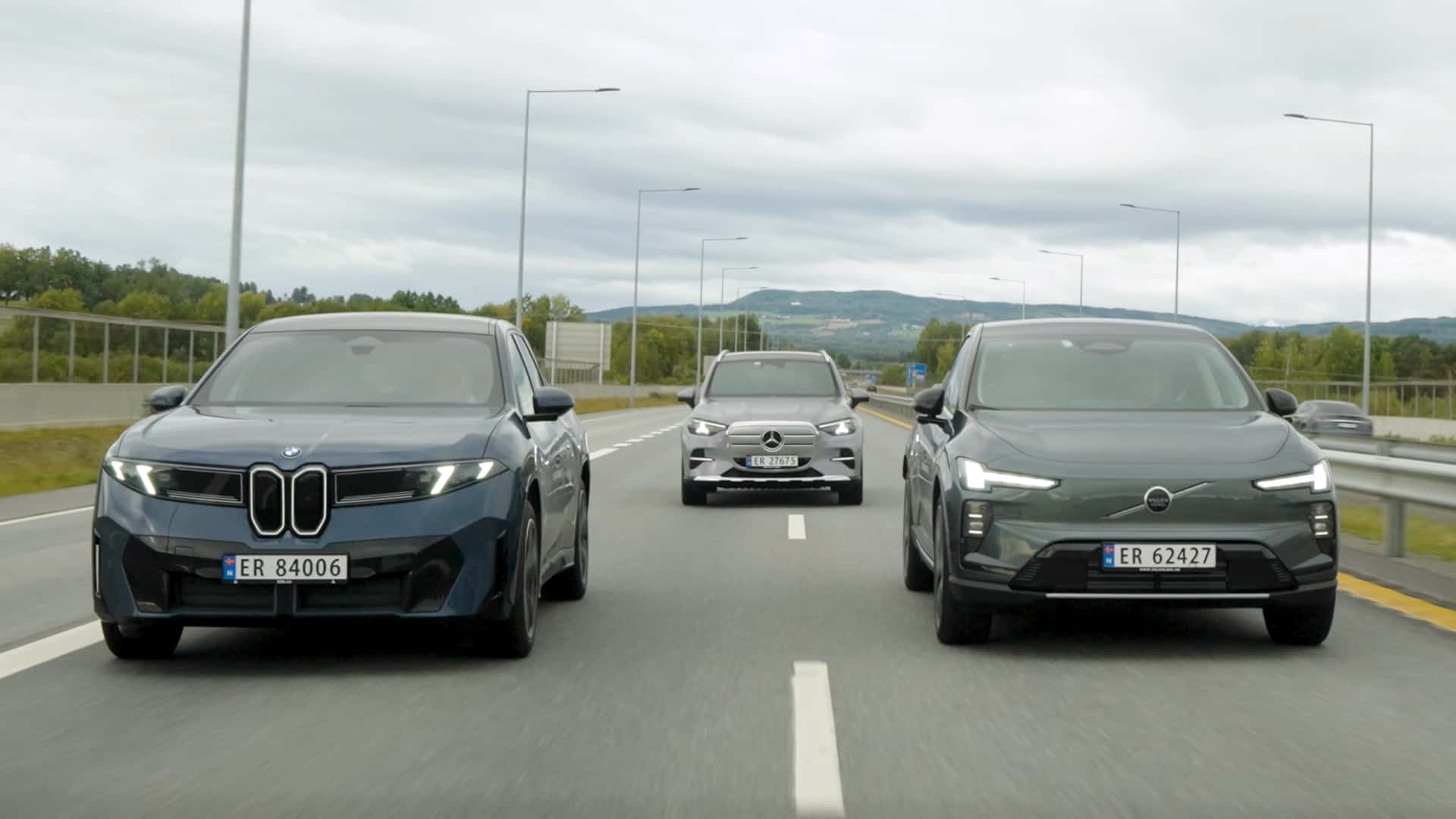
BMW iX3 Outperforms Mercedes GLC and Volvo EX60 in Highway Efficiency Test
In a recent highway test, the BMW iX3 demonstrated superior energy efficiency and range compared to…
1d ago
PHEV Batteries Show Resilience Despite Frequent Cycling
Plug-in hybrid electric vehicles (PHEVs) experience more frequent battery cycling than fully…
1d ago