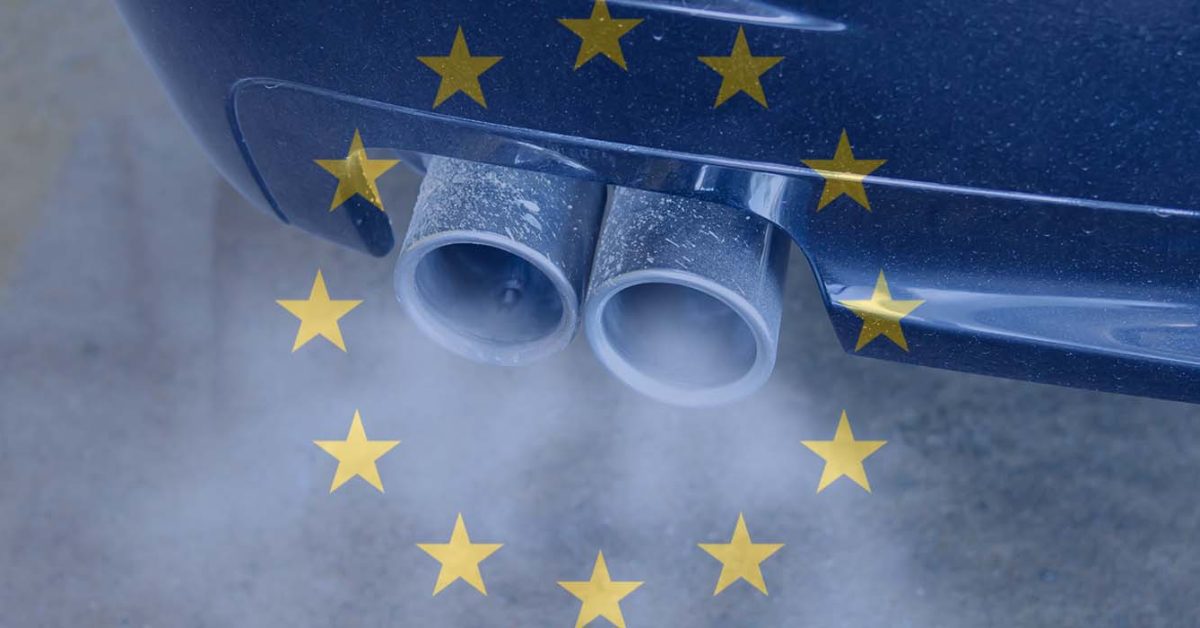
EU Considers Loosening EV Production Rules, Potentially Benefiting Chinese Automakers

Edited by Volta Kessrin
Models, Pricing & Buying
Updated October 9, 2026
3 min read
1 linked source
The European Union is reportedly nearing a deal to relax regulations on electric vehicle (EV) production for the third time in two years. This change could allow EU automakers to produce more vehicles, but critics argue it may hinder their ability to compete with Chinese manufacturers, who are seen as providing more effective solutions to current fuel and climate crises. The specifics of the deal and its implications for the market remain uncertain.
Share this story
Why it matters
- ✓Potentially increased availability of EVs from EU manufacturers, but may come at the cost of competitiveness against Chinese brands.
- ✓Relaxed rules could lead to lower prices for some models, but may also slow the transition to more sustainable vehicle options.
- ✓Buyers may face uncertainty regarding the long-term viability and environmental impact of the vehicles produced under relaxed regulations.
EU's Potential Regulatory Changes for EV Production
The European Union (EU) is reportedly close to finalizing a deal that would loosen regulations governing electric vehicle (EV) production for the third time in two years. This move comes amid significant fuel crises and a climate emergency that have impacted many across Europe. Critics argue that this decision may ultimately benefit Chinese automakers, who are perceived as offering more effective solutions to these pressing issues.
What Changed
The EU's potential decision to relax EV production rules could allow its automakers to manufacture more vehicles that are currently under scrutiny for their environmental impact. This change is significant as it may enable European manufacturers to increase their output in a competitive market, particularly against Chinese companies that are rapidly advancing in the EV sector. However, the implications of this change are complex, as it raises questions about the EU's commitment to sustainability and its ability to compete globally.
Why It Matters for Buyers and Owners
-
Market Availability: If EU automakers can produce more vehicles, buyers may see a wider range of options available in the market. However, this could also mean that the vehicles produced may not meet the highest environmental standards.
-
Pricing Dynamics: Relaxing production rules could lead to lower prices for certain models, making EVs more accessible to a broader audience. However, this may come at the expense of the long-term sustainability of these vehicles.
-
Environmental Concerns: Buyers may need to consider the environmental implications of purchasing vehicles produced under relaxed regulations. The long-term effects on climate change and local air quality could be significant, potentially affecting the desirability of these vehicles in the future.
Key Details from Source Material
According to Electrek, the EU's decision to loosen EV production rules comes in the context of ongoing fuel crises and the recent climate crisis that has affected thousands across Europe. Critics argue that this move could leave EU automakers ill-prepared to compete against China, which is viewed as a leader in providing solutions to these crises. The article emphasizes that while the EU may be attempting to bolster its automotive industry, the implications for sustainability and competition are concerning.
What to Watch Next
As the EU moves closer to finalizing this deal, it will be important to monitor how these changes will be implemented and their effects on the EV market. Key points to watch include:
- The specifics of the relaxed regulations and how they will impact vehicle production standards.
- Reactions from environmental groups and how they may influence public perception and policy.
- The response from Chinese automakers and how they may adjust their strategies in light of these developments.
In conclusion, while the EU's potential loosening of EV production rules may offer short-term benefits for automakers, the long-term implications for buyers, owners, and the environment remain uncertain. Stakeholders will need to stay informed as these developments unfold.
Sources
These are the documents and reports used to build this brief so readers can verify the story directly.
Reporting notes
EV Signal briefs are written to explain the verified change first, then add the context EV buyers and owners need to understand cost, availability, charging access, eligibility, or ownership impact.
If details are still developing, we try to say what is confirmed, what comes from secondary reporting, and what readers should verify before acting.
Source mix
1 linked source
1 media
Reviewed from: Electrek.
Comments
Log in with
Loading comments…
More in Models & Pricing
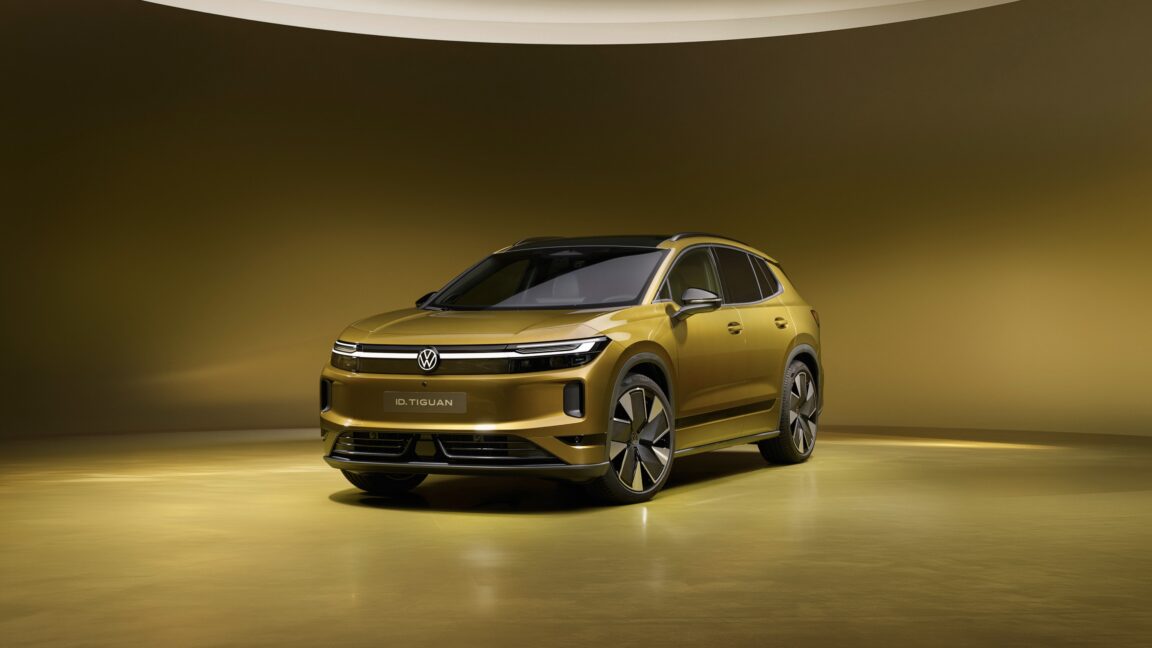
Volkswagen Unveils Replacement for ID.4 Crossover
Volkswagen has officially introduced the replacement for its ID.4 crossover, featuring a new…
2h ago
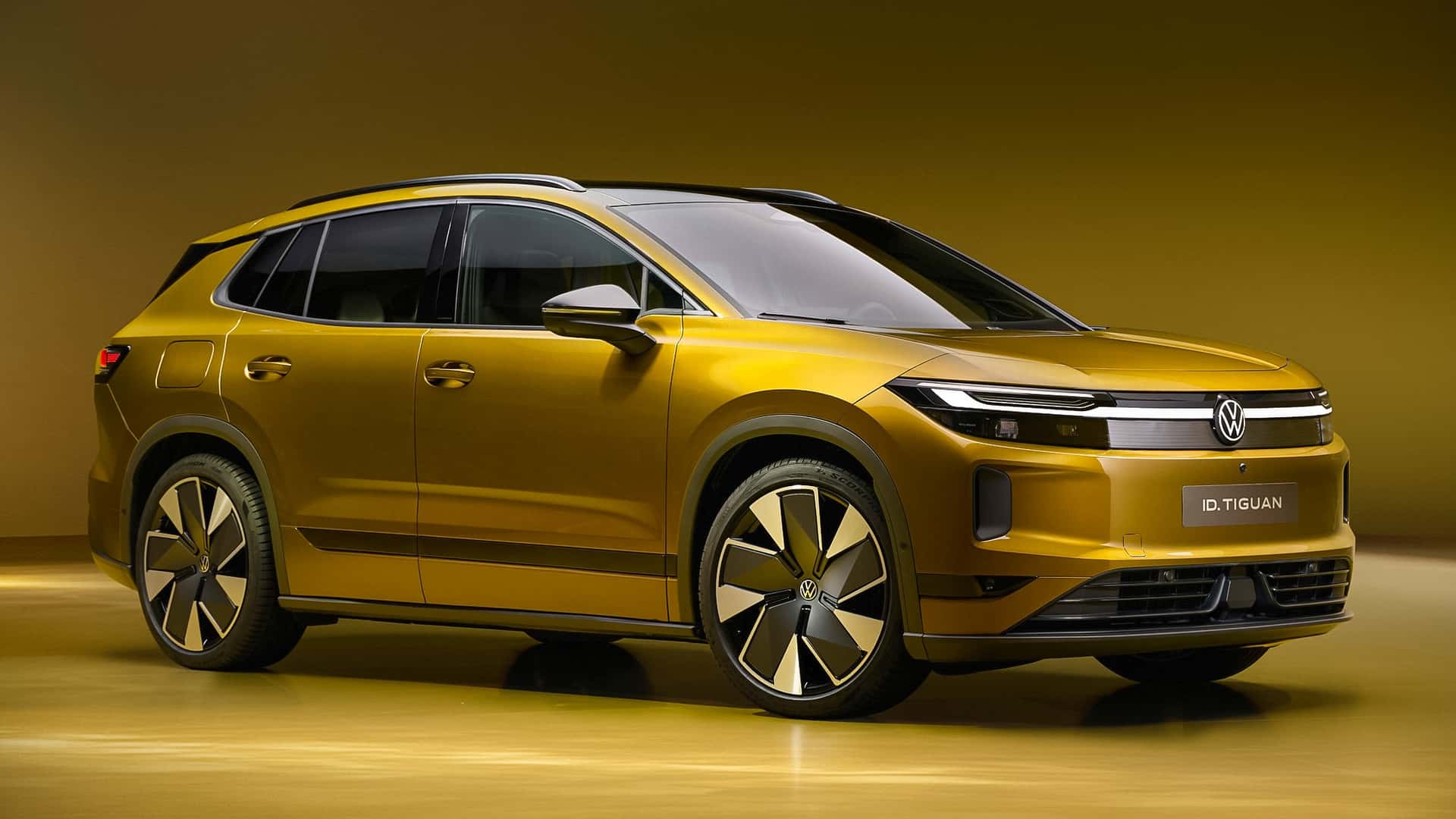
Volkswagen ID. Tiguan Introduced with Enhanced Features Over ID.4
The Volkswagen ID. Tiguan has been unveiled, showcasing several upgrades compared to the ID.4,…
2h ago

Tesla Receives Extension for NHTSA Cybercab Safety Compliance Response
Tesla has been granted an extension by the National Highway Traffic Safety Administration (NHTSA)…
14h ago
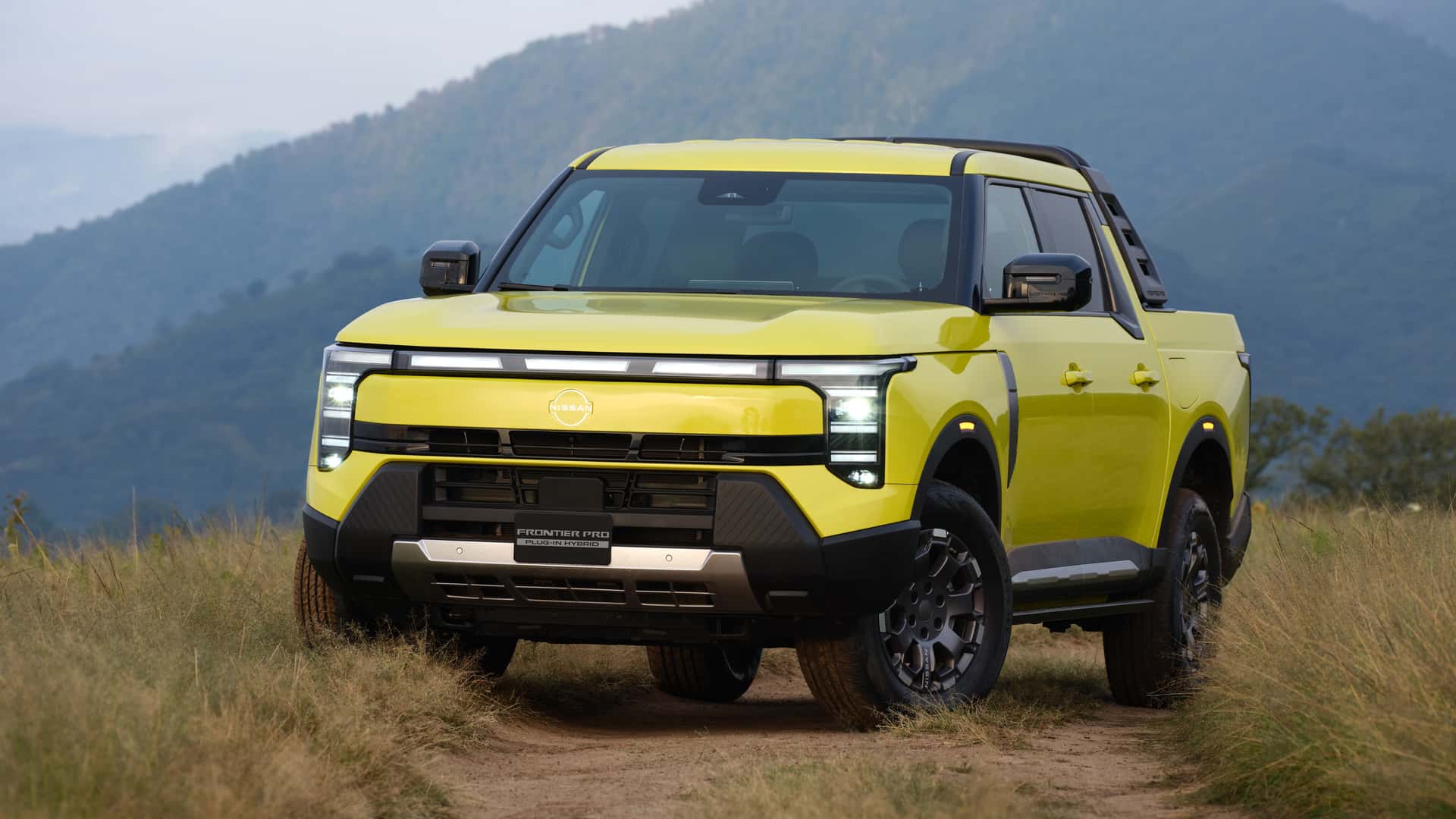
Nissan Launches New Plug-In Hybrid Pickup Truck Developed in China
Nissan has introduced the Frontier Pro, a plug-in hybrid pickup truck developed in China that is…
14h ago