EU Clean Corporate Vehicles Regulation Could Create €48bn Value and 344,000 Jobs by 2030
The EU's Clean Corporate Vehicles Regulation (CCVR) aims to establish binding targets for zero- and low-emission vehicles (ZLEVs) in large companies' new car registrations. Independent modeling by Fraunhofer ISI suggests that this regulation could generate up to €48 billion in economic value and create 344,000 jobs by 2030. The impact will primarily affect large corporations and their vehicle procurement strategies.

Key takeaways
30-second read- 1Increased availability of electric company cars may lead to more competitive pricing for EV buyers and owners.
- 2The job creation forecast indicates a growing market for EV-related services and infrastructure, potentially enhancing charging access.
- 3As large companies adopt ZLEVs, this could influence the overall market demand for electric vehicles, benefiting individual consumers.
Confirmed
No official source linked yet
Reported
Secondary reporting: CleanTechnica
Verify yourself
Eligibility, local prices and dates for your car, state or utility
Overview of the Clean Corporate Vehicles Regulation
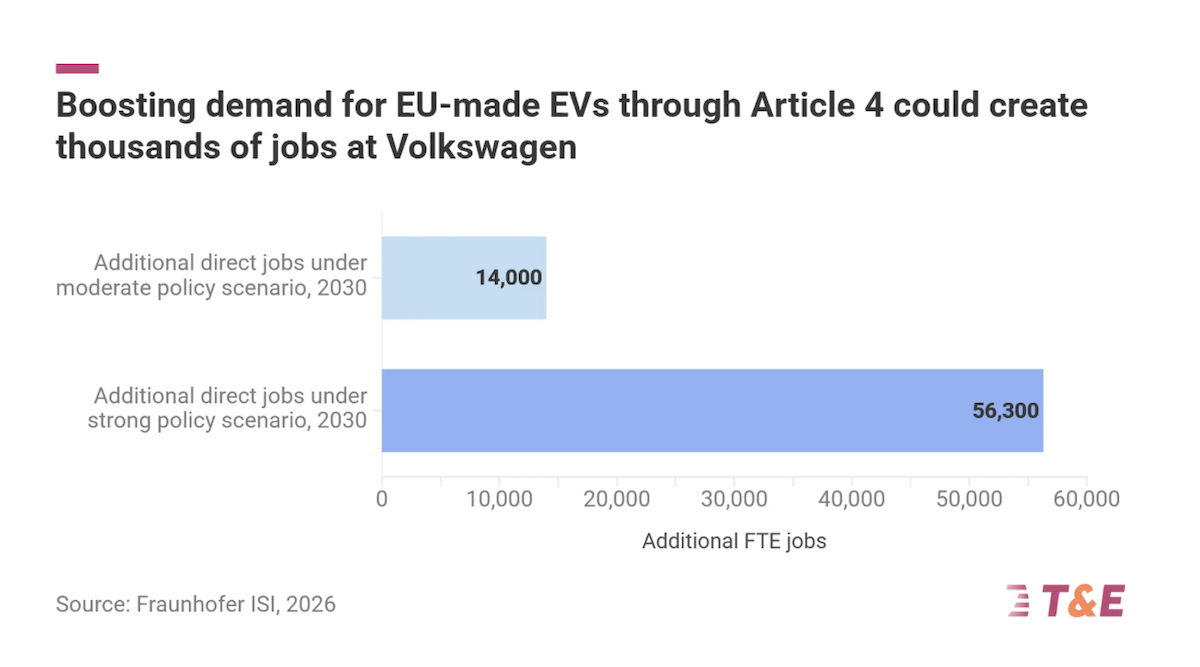
The European Union's Clean Corporate Vehicles Regulation (CCVR) is set to make significant changes to the automotive landscape for large companies. By establishing binding minimum targets for zero- and low-emission vehicles (ZLEVs) in new car registrations, the CCVR aims to accelerate the transition to electric vehicles (EVs) within corporate fleets. According to new independent modeling by Fraunhofer ISI, the implementation of this regulation could result in up to €48 billion in value creation and the creation of approximately 344,000 jobs by the year 2030.
What Changed?
The CCVR introduces specific targets that large companies must meet regarding the percentage of ZLEVs in their new vehicle registrations. This regulatory framework is designed to push companies towards adopting more sustainable vehicle options, thereby reducing emissions and promoting the use of electric vehicles. The findings from Fraunhofer ISI highlight the potential economic benefits of this transition, emphasizing that the shift towards electric company cars is not just an environmental imperative but also an economic opportunity.
Why It Matters for Buyers and Owners
- Competitive Pricing: As large corporations begin to adopt more electric vehicles, there may be increased competition in the EV market, potentially leading to lower prices for consumers.
- Job Creation: The forecast of 344,000 new jobs indicates a burgeoning market for EV-related services, which could enhance the availability of charging infrastructure and support services for EV owners.
- Market Demand: The regulation may stimulate overall demand for electric vehicles, which can lead to more options and better availability for individual buyers.
Key Details from Source Material
The CCVR is part of the EU's broader strategy to reduce greenhouse gas emissions and promote sustainable transportation. By setting clear targets for ZLEVs, the regulation encourages companies to rethink their vehicle procurement strategies. The modeling conducted by Fraunhofer ISI underscores the potential economic impact, suggesting that the regulation could deliver substantial value creation alongside environmental benefits.
The projected €48 billion in value creation is significant, indicating that the transition to electric vehicles could drive innovation, investment, and job growth across the EU. The 344,000 jobs expected to be created span various sectors, including manufacturing, infrastructure development, and service provision related to electric vehicles.
What to Watch Next
As the CCVR moves forward, stakeholders should keep an eye on the specific targets set for ZLEVs and how they will be enforced. Additionally, monitoring the response from large corporations regarding their vehicle fleets will be crucial in understanding the regulation's impact. The development of charging infrastructure and support services will also be critical to ensure that the transition to electric vehicles is smooth and beneficial for both companies and individual consumers.
In conclusion, the EU Clean Corporate Vehicles Regulation represents a pivotal step towards a more sustainable automotive future, with significant economic implications that could benefit both corporate fleets and individual EV buyers.
Sources
1 media- [1]The EU Clean Corporate Vehicles Regulation: The Industrial & Economic Benefits of “Made-in-EU” Electric Company CarsMedia
CleanTechnica · cleantechnica.com · published Oct 20
Newsletter
Weekly EV signal. No spam.
Comments
Log in with
Loading comments…