
ESS Expands Battery Storage Portfolio with 8.5 GWh of Sodium-Ion Technology
Updated May 7, 2026
3 min read
1 linked source
ESS has announced the addition of 8.5 GWh of sodium-ion batteries to its energy storage portfolio, marking a shift from its traditional long-duration energy storage focus. This move aims to position ESS within the competitive short- and medium-duration battery storage market, although it is notable that the company is not utilizing lithium-based technologies. The implications of this shift for EV buyers and owners remain to be fully assessed.
Share this story
Why it matters
- ✓The introduction of sodium-ion technology could lead to more affordable and sustainable battery options for energy storage, potentially impacting EV charging infrastructure.
- ✓As ESS enters the short- and medium-duration market, it may influence the availability and pricing of energy storage solutions that support EV charging.
- ✓This development highlights a growing trend away from lithium batteries, which could affect the overall battery supply chain and pricing for EVs.
Reporting notes
EV Signal briefs are written to explain the verified change first, then add the context EV buyers and owners need to understand cost, availability, charging access, eligibility, or ownership impact.
If details are still developing, we try to say what is confirmed, what comes from secondary reporting, and what readers should verify before acting.
Source mix
1 linked source
1 media
Reviewed from: Electrek.
ESS Expands Battery Storage Portfolio with Sodium-Ion Technology
ESS has officially added 8.5 GWh of sodium-ion batteries to its energy storage offerings, a significant move that indicates the company's strategic shift towards the short- and medium-duration battery storage market. This development is particularly noteworthy as ESS has historically focused on long-duration energy storage solutions, primarily utilizing different technologies than lithium-based batteries.
What Changed
The key change is the introduction of sodium-ion batteries into ESS's portfolio, which is expected to enhance their capabilities in the increasingly competitive battery storage landscape. By opting for sodium-ion technology, ESS is positioning itself to address the growing demand for energy storage solutions that can efficiently support short- and medium-duration applications, which are critical for balancing energy supply and demand, especially in the context of renewable energy integration.
Why It Matters for Buyers and Owners
-
Potential Cost Benefits: Sodium-ion batteries are generally considered to be more cost-effective and sustainable compared to lithium batteries. This could lead to lower prices for energy storage systems, which may indirectly benefit EV owners through reduced charging costs.
-
Impact on Charging Infrastructure: As ESS expands its offerings, the availability of sodium-ion battery storage could improve the efficiency and reliability of EV charging stations, making it easier for owners to charge their vehicles, especially during peak demand times.
-
Market Dynamics: The shift away from lithium-based technologies may alter the battery supply chain, potentially affecting the pricing and availability of lithium batteries for EVs. This could have long-term implications for EV buyers as the market adapts to new technologies.
Key Details from Source Material
According to the article from Electrek, ESS's decision to expand into the sodium-ion battery market reflects a broader trend in the energy storage sector, where companies are exploring alternatives to lithium due to concerns over supply chain sustainability and environmental impact. Sodium-ion technology is gaining traction for its potential to provide a more sustainable and abundant alternative, as sodium is more widely available than lithium.
While the specific applications of the new sodium-ion batteries have not been detailed, the move signals ESS's commitment to diversifying its product offerings and responding to market demands. The company aims to leverage its expertise in long-duration energy storage while adapting to the needs of short- and medium-duration applications.
What to Watch Next
As ESS rolls out its sodium-ion battery technology, it will be important to monitor how this impacts the broader energy storage market, particularly in relation to EV charging infrastructure. Key areas to watch include:
- Performance Metrics: How well do sodium-ion batteries perform in real-world applications compared to lithium batteries?
- Market Adoption: Will other companies follow suit in adopting sodium-ion technology, and how will this affect pricing and availability?
- Regulatory Changes: Are there any upcoming regulations or incentives that could influence the adoption of sodium-ion technology in energy storage and EV charging?
In conclusion, ESS's addition of 8.5 GWh of sodium-ion batteries represents a significant development in the energy storage landscape, with potential implications for EV buyers and owners as the market evolves.
Sources
These are the documents and reports used to build this brief so readers can verify the story directly.
- ESS adds 8.5 GWh of sodium-ion to its battery storage portfolio — ElectrekMEDIA
Comments
Log in with
Loading comments…
More in Ownership
Tesla's Lawyers Misled Witness in Racism Trial
Tesla's ongoing racism trial in California has faced significant setbacks as it was revealed that a…
18h ago

Rivian R2 Faces First Recall Due to Camera Issue
Rivian has issued a recall affecting nearly 99,000 vehicles, including some of its new R2 models,…
18h ago
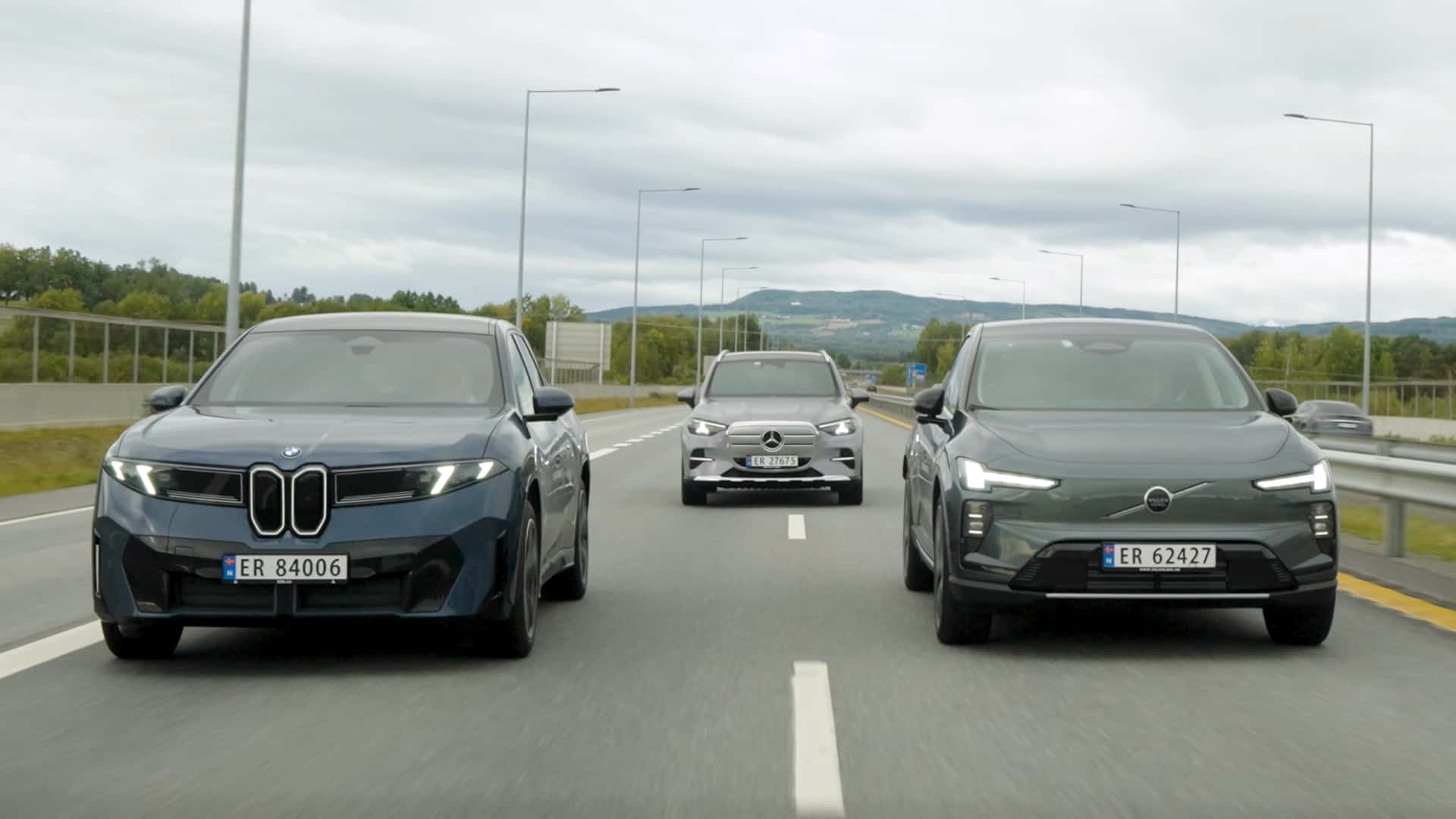
BMW iX3 Outperforms Mercedes GLC and Volvo EX60 in Highway Efficiency Test
In a recent highway test, the BMW iX3 demonstrated superior energy efficiency and range compared to…
1d ago
PHEV Batteries Show Resilience Despite Frequent Cycling
Plug-in hybrid electric vehicles (PHEVs) experience more frequent battery cycling than fully…
1d ago