
EPA to Announce Policy Increasing Health Costs by $120 Billion
Updated September 14, 2026
3 min read
1 linked source
The EPA is set to announce a new policy on Monday that will lift limits on pollution from power plants, potentially leading to an increase of $120 billion in long-term health costs for Americans. This change is part of a broader trend that critics argue will negatively impact public health and economic stability. The implications of this policy shift may extend to various sectors, including electric vehicle (EV) buyers and owners.
Share this story
Why it matters
- ✓Increased health costs could lead to higher energy prices, affecting the overall cost of owning and operating EVs.
- ✓Potential reductions in air quality may impact the perceived benefits of EVs as a cleaner alternative.
- ✓Changes in policy could influence future regulations and incentives for EV adoption and infrastructure development.
Reporting notes
EV Signal briefs are written to explain the verified change first, then add the context EV buyers and owners need to understand cost, availability, charging access, eligibility, or ownership impact.
If details are still developing, we try to say what is confirmed, what comes from secondary reporting, and what readers should verify before acting.
Source mix
1 linked source
1 media
Reviewed from: Electrek.
EPA Policy Change Overview
The Environmental Protection Agency (EPA) is expected to announce a significant policy change on Monday that will eliminate existing limits on pollution from power plants. This move is projected to result in an increase of $120 billion in long-term health costs for Americans. Critics of the policy argue that it represents a continuation of previous administrations' efforts to undermine public health protections, particularly during the Trump era.
What Changed
The upcoming announcement will officially lift restrictions on emissions from power plants, which have historically been regulated to mitigate their impact on air quality and public health. This policy shift is likely to lead to higher levels of pollutants being released into the atmosphere, which can have detrimental effects on respiratory health and overall well-being.
Why It Matters for EV Buyers and Owners
-
Increased Energy Costs: The anticipated rise in health costs may correlate with higher energy prices, as power plants may pass on the costs of increased pollution to consumers. This could affect the cost of charging electric vehicles, making ownership less economical.
-
Air Quality Concerns: The reduction of pollution limits could lead to a decline in air quality, which undermines one of the primary benefits of owning an EV—reducing emissions and improving environmental health. As air quality worsens, the advantages of switching to electric vehicles may be diminished.
-
Future Regulations: This policy change may set a precedent for future regulations affecting EVs and their infrastructure. If pollution limits are relaxed, it could impact the development of cleaner energy sources that are essential for powering electric vehicles.
Key Details from Source Material
According to Electrek, the EPA's decision is framed as part of a broader strategy that critics claim will burden American households with additional health-related costs. The $120 billion figure reflects long-term health impacts rather than immediate financial costs, suggesting that the ramifications of this policy will unfold over time rather than being felt instantly.
What to Watch Next
As the EPA's announcement approaches, stakeholders in the EV market, including manufacturers, consumers, and environmental advocates, will be closely monitoring the details of the policy change. Key points of interest will include:
- Specific pollutants that will no longer be regulated and the expected timeline for these changes.
- Reactions from public health organizations and environmental groups regarding the potential health impacts.
- Any subsequent regulatory measures that may be introduced to counterbalance the effects of increased pollution.
In conclusion, while the EPA's upcoming policy change is primarily focused on power plant emissions, its implications could ripple through the electric vehicle market, affecting costs, air quality, and future regulations. Stakeholders should remain vigilant as the situation develops.
Sources
These are the documents and reports used to build this brief so readers can verify the story directly.
- EPA plans to raise your health costs by $120B on Monday — ElectrekMEDIA
Comments
Log in with
Loading comments…
More in Ownership
Tesla's Lawyers Misled Witness in Racism Trial
Tesla's ongoing racism trial in California has faced significant setbacks as it was revealed that a…
17h ago

Rivian R2 Faces First Recall Due to Camera Issue
Rivian has issued a recall affecting nearly 99,000 vehicles, including some of its new R2 models,…
17h ago
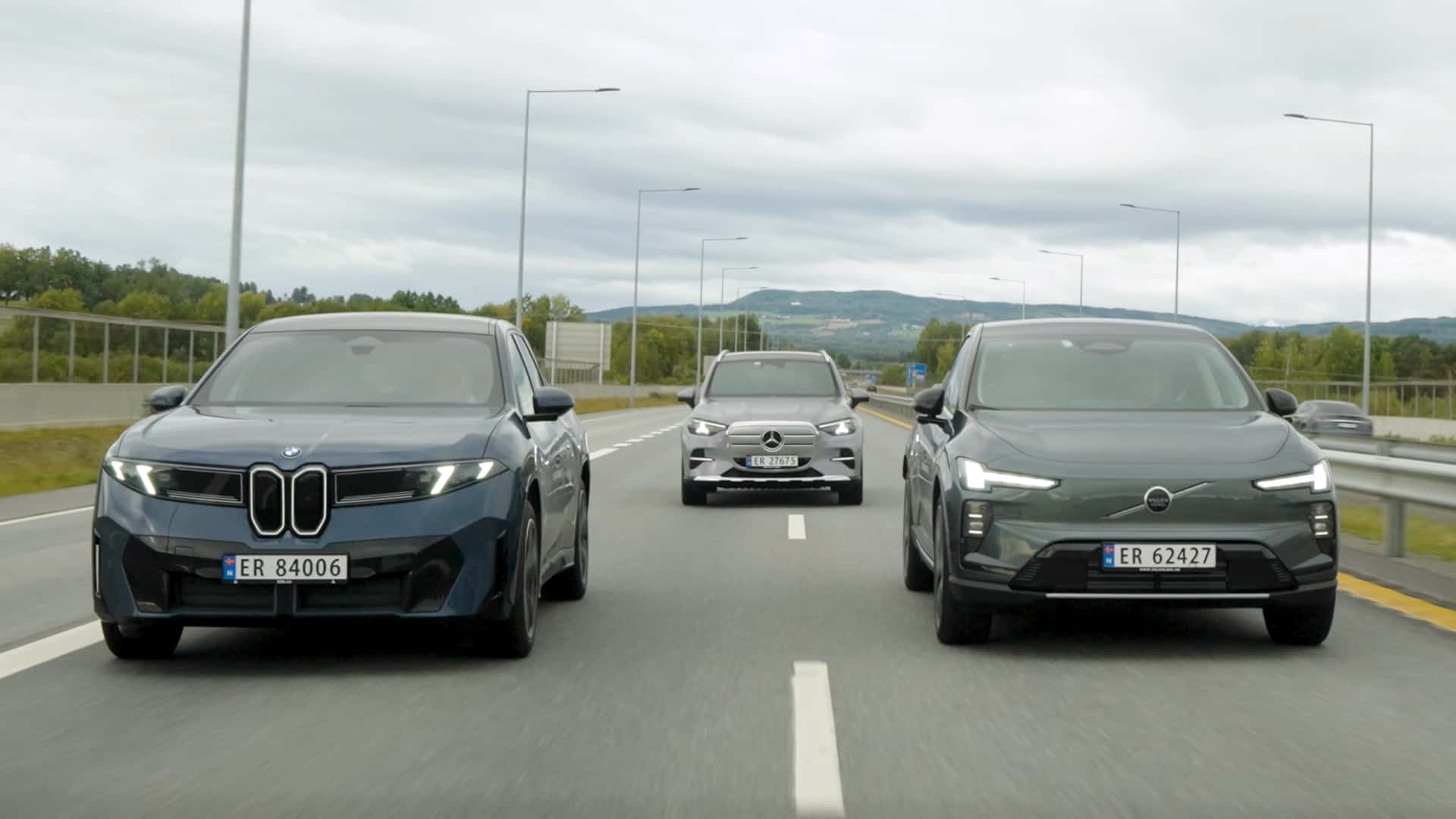
BMW iX3 Outperforms Mercedes GLC and Volvo EX60 in Highway Efficiency Test
In a recent highway test, the BMW iX3 demonstrated superior energy efficiency and range compared to…
23h ago
PHEV Batteries Show Resilience Despite Frequent Cycling
Plug-in hybrid electric vehicles (PHEVs) experience more frequent battery cycling than fully…
1d ago