Electric Cars and Solar Energy as a Hedge Against Rising Energy Costs
Updated September 12, 2026
3 min read
1 linked source
A recent drone strike on Saudi Arabia’s East-West oil pipeline has disrupted global oil supply, pushing Brent crude prices above $104 and causing record highs in U.S. diesel prices. This crisis highlights the increasing utility costs affecting consumers, making electric vehicles (EVs) and solar energy more appealing as alternatives. However, the long-term impact on energy prices and utility bills remains uncertain.
Share this story
Why it matters
- ✓Rising fossil fuel prices could lead to higher electricity costs, making EV ownership more financially attractive as a long-term solution.
- ✓Increased interest in solar energy could enhance charging access for EV owners, particularly those with home installations.
- ✓The current energy crisis may accelerate government incentives for renewable energy solutions, benefiting EV buyers.
Reporting notes
EV Signal briefs are written to explain the verified change first, then add the context EV buyers and owners need to understand cost, availability, charging access, eligibility, or ownership impact.
If details are still developing, we try to say what is confirmed, what comes from secondary reporting, and what readers should verify before acting.
Source mix
1 linked source
1 media
Reviewed from: Electrek.
Overview of the Current Energy Crisis
A significant disruption in global oil supply occurred recently when a drone strike targeted Saudi Arabia’s East-West oil pipeline, resulting in the loss of approximately 5 million barrels of oil per day. This incident accounts for about 5% of the world's oil supply and has driven Brent crude prices above $104 per barrel. In the U.S., diesel prices have reached record highs, adding pressure to consumers already facing rising utility bills.
What Changed
The immediate impact of the drone strike is a spike in oil prices, which is likely to affect various sectors, including transportation and energy. As oil prices rise, consumers may see an increase in their utility bills, particularly those reliant on fossil fuels for electricity generation. This situation underscores the ongoing energy crisis that is not only affecting global markets but also individual households.
Why It Matters for EV Buyers and Owners
-
Financial Implications: As fossil fuel prices continue to rise, the cost of electricity may also increase, making electric vehicles (EVs) a more appealing option for consumers looking to mitigate fuel costs. EVs typically have lower operating costs compared to gasoline or diesel vehicles, especially as fuel prices climb.
-
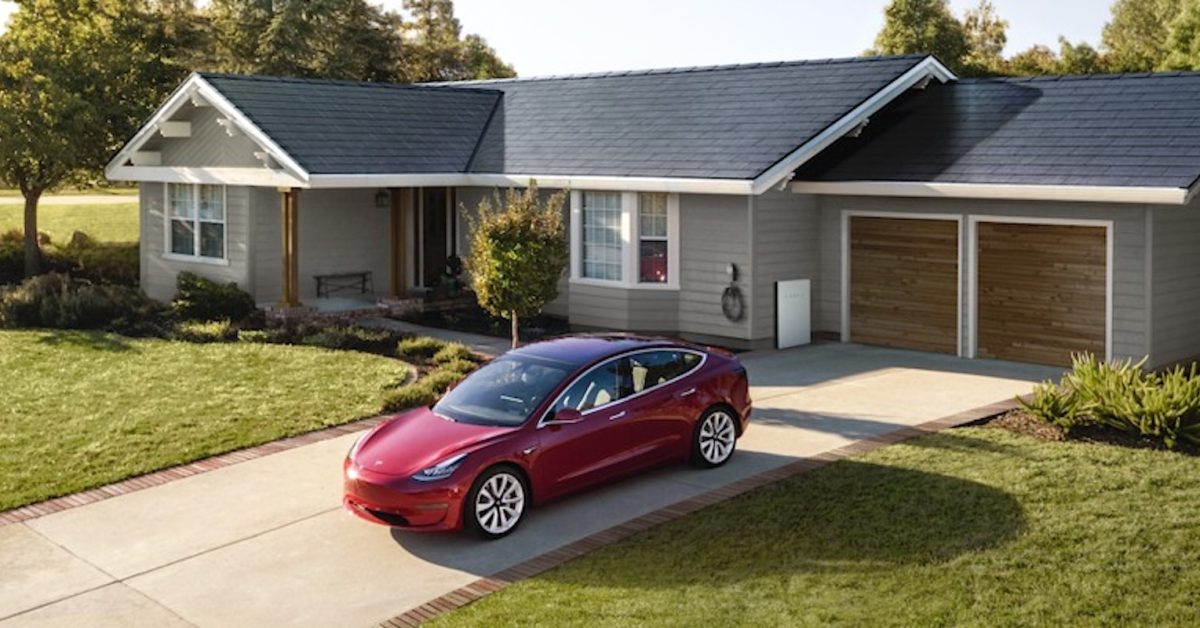
Increased Interest in Solar Energy: The current crisis may drive more consumers to consider solar energy solutions, which can provide a degree of independence from fluctuating fossil fuel prices. Homeowners with solar installations can charge their EVs using renewable energy, potentially lowering their overall energy costs.
-
Government Incentives: The energy crisis may prompt governments to enhance incentives for renewable energy solutions, including tax credits or rebates for EV purchases and solar installations. This could make it easier for consumers to transition to electric vehicles and renewable energy sources.
Key Details from Source Material
According to Electrek, the recent oil supply disruption is part of a larger trend of rising energy costs that consumers are facing. While the immediate focus is on the fossil fuel crisis, the implications for utility bills are significant and warrant attention. The article suggests that the combination of rising oil prices and increasing utility costs may lead consumers to explore alternative energy solutions, such as electric vehicles and solar energy.
What to Watch Next
As the situation develops, it will be important to monitor the following:
- Further Developments in Oil Supply: Any additional disruptions in oil supply could exacerbate the current crisis, leading to even higher energy costs.
- Utility Rate Changes: Keep an eye on announcements from utility companies regarding potential rate increases, which could impact EV owners and buyers.
- Government Policy Changes: Watch for any new incentives or policies aimed at promoting renewable energy and electric vehicle adoption in response to the energy crisis.
In conclusion, the current energy crisis presents both challenges and opportunities for EV buyers and owners. While rising fossil fuel prices may lead to higher utility costs, they also enhance the attractiveness of electric vehicles and solar energy as viable alternatives.
Sources
These are the documents and reports used to build this brief so readers can verify the story directly.
Comments
Log in with
Loading comments…
More in Ownership
Tesla's Lawyers Misled Witness in Racism Trial
Tesla's ongoing racism trial in California has faced significant setbacks as it was revealed that a…
17h ago

Rivian R2 Faces First Recall Due to Camera Issue
Rivian has issued a recall affecting nearly 99,000 vehicles, including some of its new R2 models,…
17h ago

BMW iX3 Outperforms Mercedes GLC and Volvo EX60 in Highway Efficiency Test
In a recent highway test, the BMW iX3 demonstrated superior energy efficiency and range compared to…
23h ago
PHEV Batteries Show Resilience Despite Frequent Cycling
Plug-in hybrid electric vehicles (PHEVs) experience more frequent battery cycling than fully…
1d ago