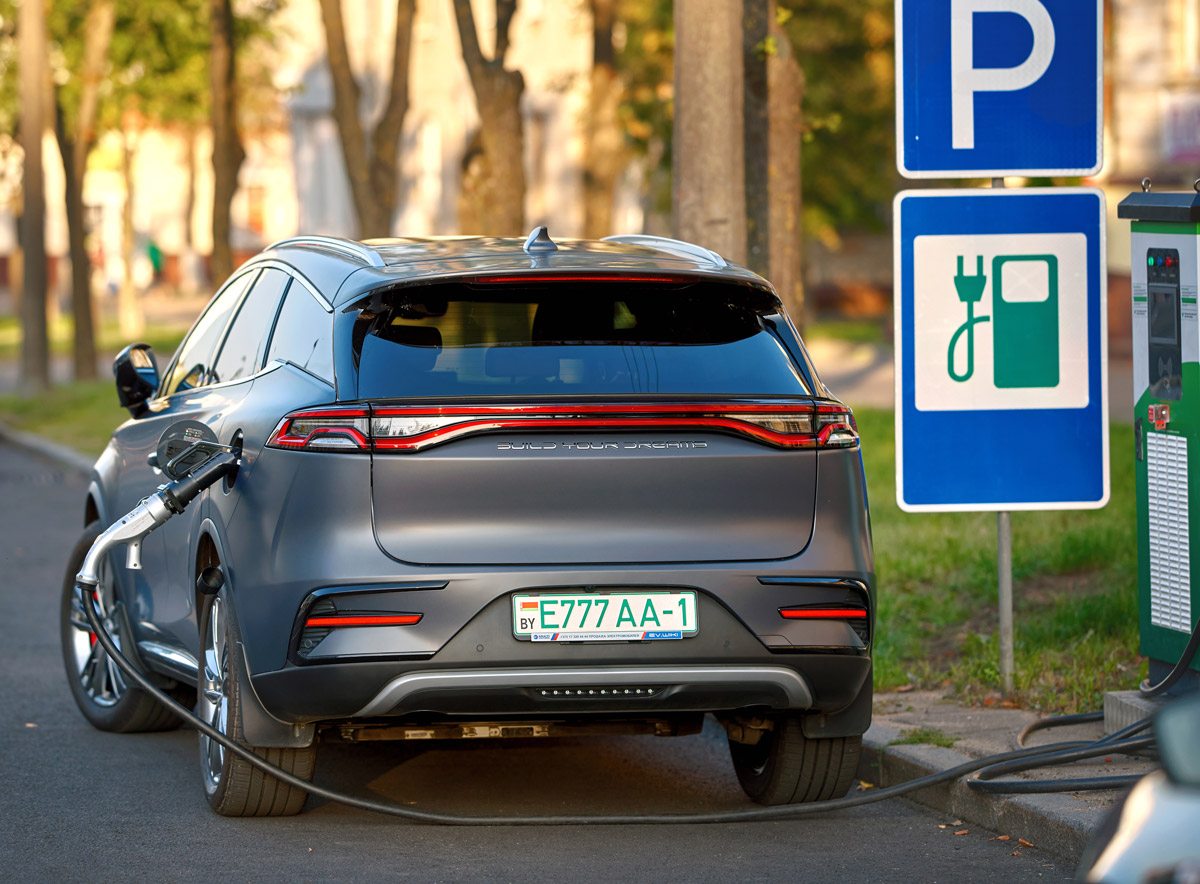
Election Day Highlights Impact of Gas Prices on EV Adoption
On Election Day, the national average for gasoline prices hit $4.12 per gallon, the highest recorded for this day. This increase in fuel costs is a significant concern for voters and may influence their views on electric vehicles (EVs) and energy policies. The current state of the Strategic Petroleum Reserve is also at a historic low, which could further impact energy prices.

Key takeaways
30-second read- 1High gas prices may drive more consumers to consider EVs as a cost-effective alternative.
- 2Political stances on energy policies could affect future incentives for EV adoption.
- 3The depletion of the Strategic Petroleum Reserve raises concerns about energy security and pricing.
Confirmed
No official source linked yet
Reported
Secondary reporting: The Verge Transportation
Verify yourself
Eligibility, local prices and dates for your car, state or utility

Election Day and Rising Gas Prices
On this Election Day, voters are facing the highest gas prices ever recorded for the occasion, with the national average reaching $4.12 per gallon. This surge in fuel costs is not just a statistic; it has real implications for consumers and their choices regarding transportation, particularly in the context of electric vehicles (EVs).
What Changed
The current gas price situation is compounded by the fact that the Strategic Petroleum Reserve, which serves as a safeguard during energy crises, is at its lowest level in 44 years, with only 282.2 million barrels of crude oil remaining. This depletion raises questions about energy security and could lead to even higher fuel prices in the future.
Why It Matters for Buyers/Owners
The high cost of gasoline may prompt consumers to reevaluate their transportation options. As gas prices soar, electric vehicles become increasingly attractive due to their lower operating costs. Additionally, the political landscape surrounding energy policies can significantly influence the availability of incentives for EV adoption, making it crucial for voters to consider these factors as they head to the polls.
Key Details from Source Material
According to a report from The Verge, gas prices are at a historic high, which is a significant concern for many voters this election cycle. The report highlights that the depletion of the Strategic Petroleum Reserve could lead to further increases in fuel prices, impacting the overall cost of living. This situation may push voters to consider which political party has historically supported or opposed EV initiatives and energy policies that could alleviate reliance on fossil fuels.
What to Watch Next
As the election results come in, it will be important to observe how the political landscape shifts and what implications this may have for future energy policies and EV incentives. Additionally, monitoring gas prices and their potential impact on consumer behavior will be crucial in the coming months. The ongoing debate over energy independence and the transition to renewable energy sources will likely remain at the forefront of public discourse, influencing both policy and consumer choices.
In conclusion, the intersection of rising gas prices and the political climate surrounding energy policies will play a significant role in shaping the future of electric vehicle adoption in the United States.
Sources
1 media- [1]This Election Day, remember which party ran against EVs and tethered us all to the gas pumpMedia
The Verge Transportation · theverge.com · published Nov 3
Newsletter
Weekly EV signal. No spam.
Comments
Log in with
Loading comments…