
E-Bike Regulations Under Scrutiny Due to Pedal Requirement
Updated March 28, 2026
3 min read
1 linked source
Current U.S. e-bike laws hinge on whether a bike has pedals, a detail that is becoming increasingly problematic in the evolving micromobility landscape. While having pedals is a requirement for classification as an electric bicycle, the relevance of this criterion is being questioned. As e-bike technology advances, the focus on pedals may no longer reflect the needs and realities of modern riders.
Share this story
Why it matters
- ✓E-bike buyers may face confusion regarding legal classifications and what features are necessary for compliance.
- ✓Owners of e-bikes without pedals may encounter legal issues or restrictions in certain areas.
- ✓The debate over pedal requirements could influence future regulations and the development of e-bike technology.
Reporting notes
EV Signal briefs are written to explain the verified change first, then add the context EV buyers and owners need to understand cost, availability, charging access, eligibility, or ownership impact.
If details are still developing, we try to say what is confirmed, what comes from secondary reporting, and what readers should verify before acting.
Source mix
1 linked source
1 media
Reviewed from: Electrek.
E-Bike Regulations Under Scrutiny Due to Pedal Requirement
Introduction
In the rapidly evolving world of electric bicycles (e-bikes), one detail is causing significant confusion and debate: the requirement for pedals. As e-bike technology advances, the relevance of this criterion is increasingly being questioned. This article explores the implications of the pedal requirement in U.S. e-bike laws and how it affects buyers and owners.
The Pedal Requirement Explained
Under current U.S. regulations, an electric bicycle is defined as a bicycle that has pedals. This classification has been in place for some time, but as the micromobility landscape changes, the necessity of this requirement is coming under scrutiny. The question arises: should having pedals still be a determining factor in classifying an e-bike?
The Evolving Landscape of E-Bikes
E-bikes have come a long way in recent years, with advancements in technology leading to a variety of designs and functionalities. Many modern e-bikes offer features that enhance the riding experience, such as powerful motors and advanced battery systems. However, the insistence on having pedals as a defining characteristic may not reflect the realities of how consumers use these vehicles today.
Legal Implications for Buyers and Owners
The pedal requirement can lead to confusion among potential buyers. Many consumers may not fully understand the legal implications of this requirement, which can vary from state to state. For instance, some regions may impose restrictions on e-bikes that do not meet the pedal criterion, potentially limiting where and how these bikes can be used.
Potential Legal Issues
Owners of e-bikes that do not have pedals might find themselves facing legal challenges. In areas where regulations are strictly enforced, these riders could be subject to fines or other penalties. This situation creates an unnecessary barrier for users who may prefer a pedal-less design for various reasons, including comfort or ease of use.
The Future of E-Bike Regulations
As the e-bike market continues to grow, the conversation around pedal requirements is likely to evolve. Advocates for more inclusive regulations argue that the focus should shift from whether a bike has pedals to its overall functionality and safety. This shift could pave the way for more innovative designs that cater to a wider range of riders.
Conclusion
The debate over the pedal requirement in U.S. e-bike laws highlights a significant disconnect between outdated regulations and the current state of e-bike technology. As consumers and manufacturers push for more versatile and user-friendly designs, it is crucial for lawmakers to reconsider the relevance of pedals in defining electric bicycles. The outcome of this discussion will have lasting implications for e-bike buyers and owners, shaping the future of micromobility in the United States.
Sources
These are the documents and reports used to build this brief so readers can verify the story directly.
Comments
Log in with
Loading comments…
More in Ownership
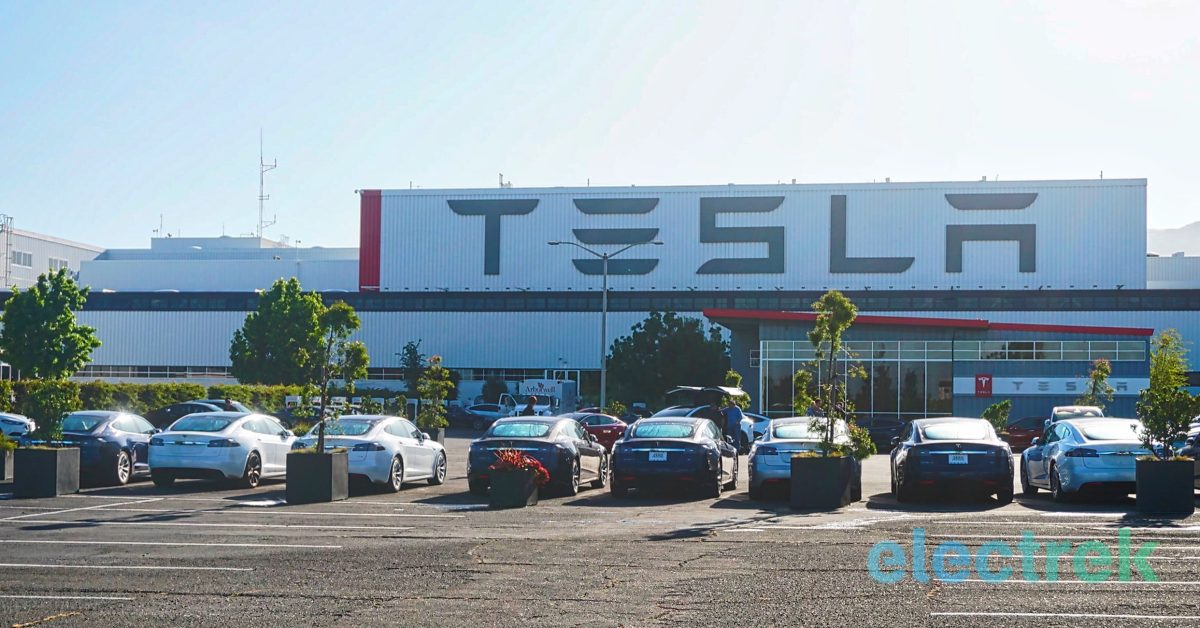
Tesla's Lawyers Misled Witness in Racism Trial
Tesla's ongoing racism trial in California has faced significant setbacks as it was revealed that a…
18h ago
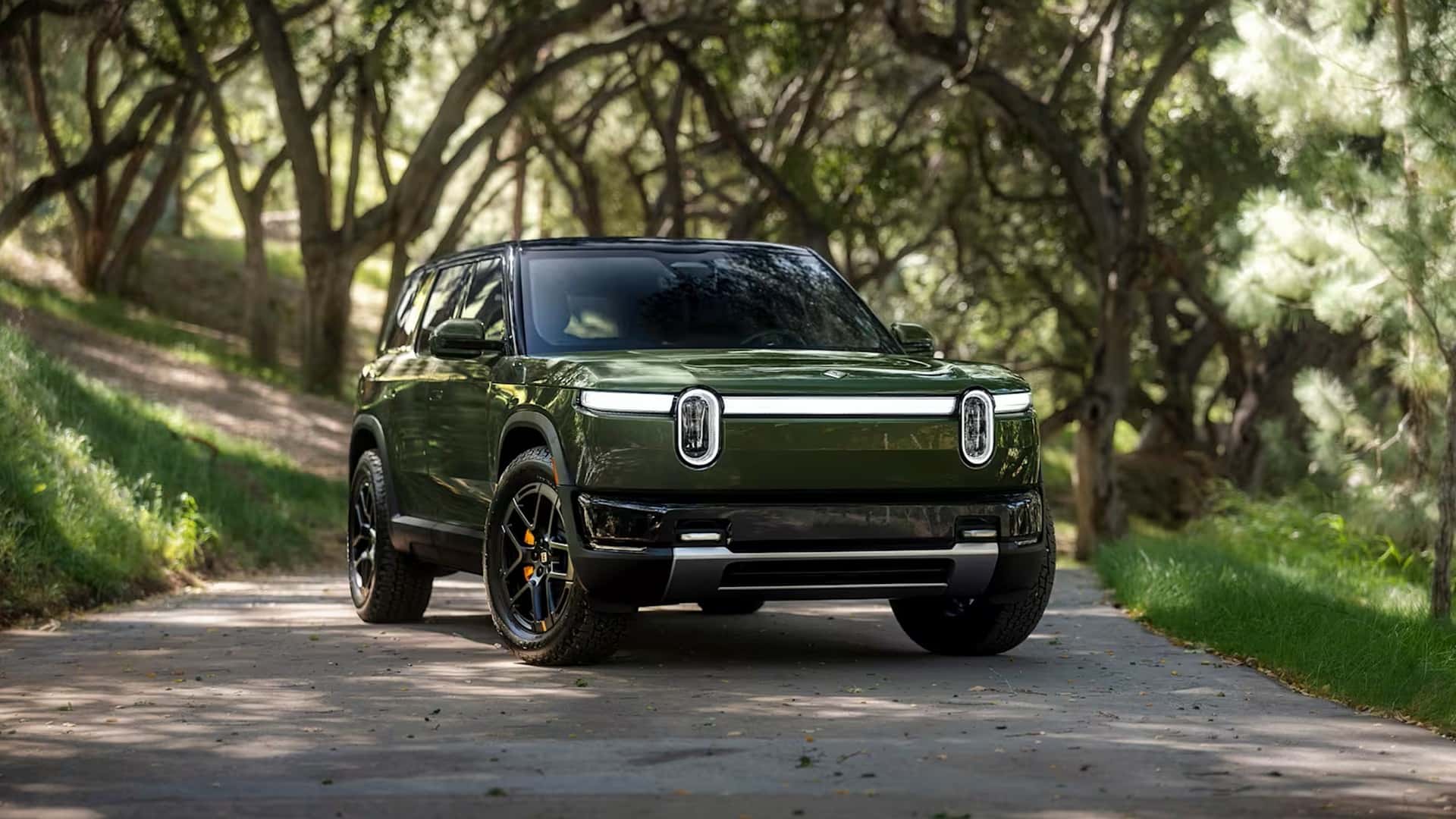
Rivian R2 Faces First Recall Due to Camera Issue
Rivian has issued a recall affecting nearly 99,000 vehicles, including some of its new R2 models,…
18h ago
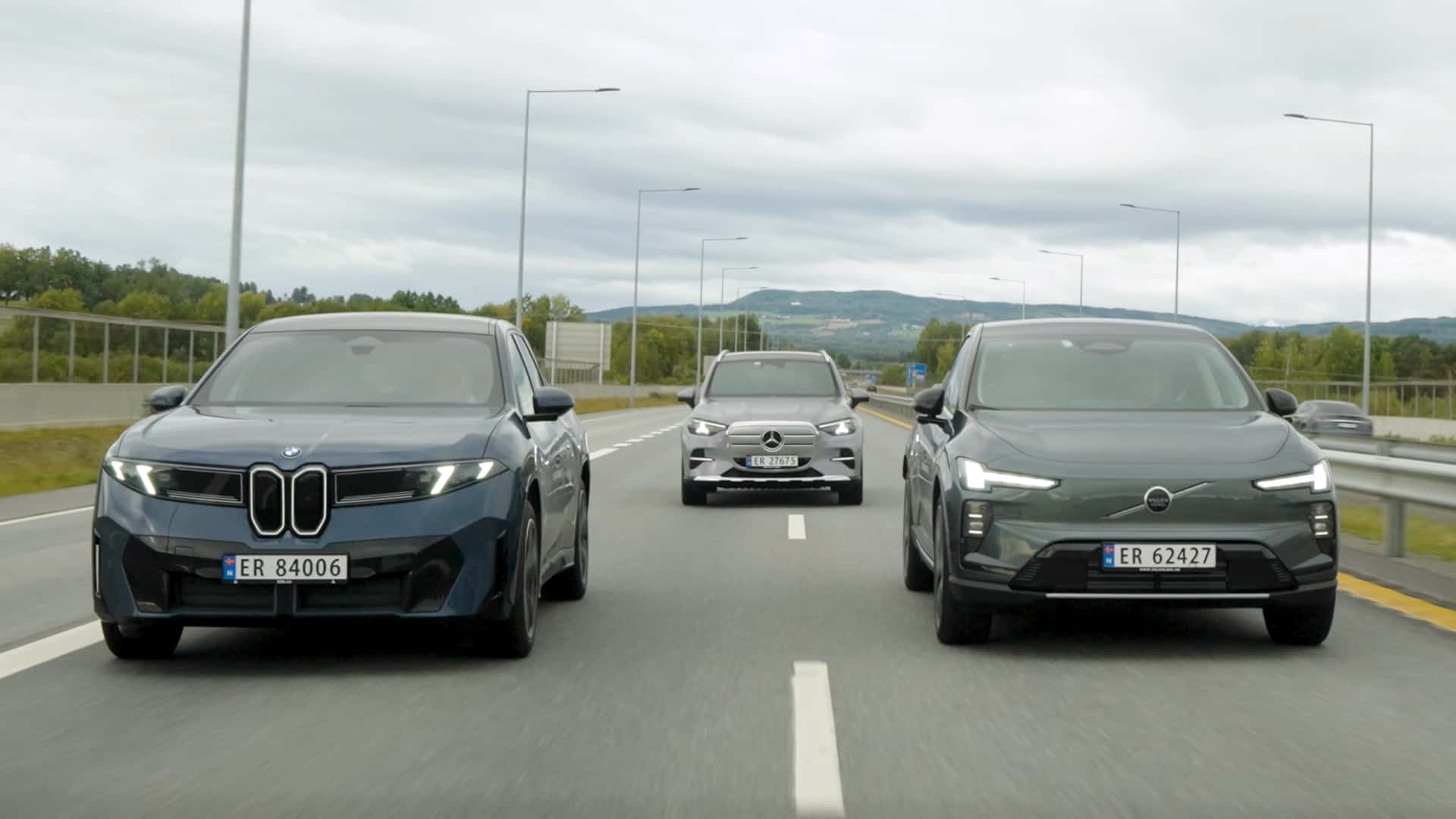
BMW iX3 Outperforms Mercedes GLC and Volvo EX60 in Highway Efficiency Test
In a recent highway test, the BMW iX3 demonstrated superior energy efficiency and range compared to…
1d ago
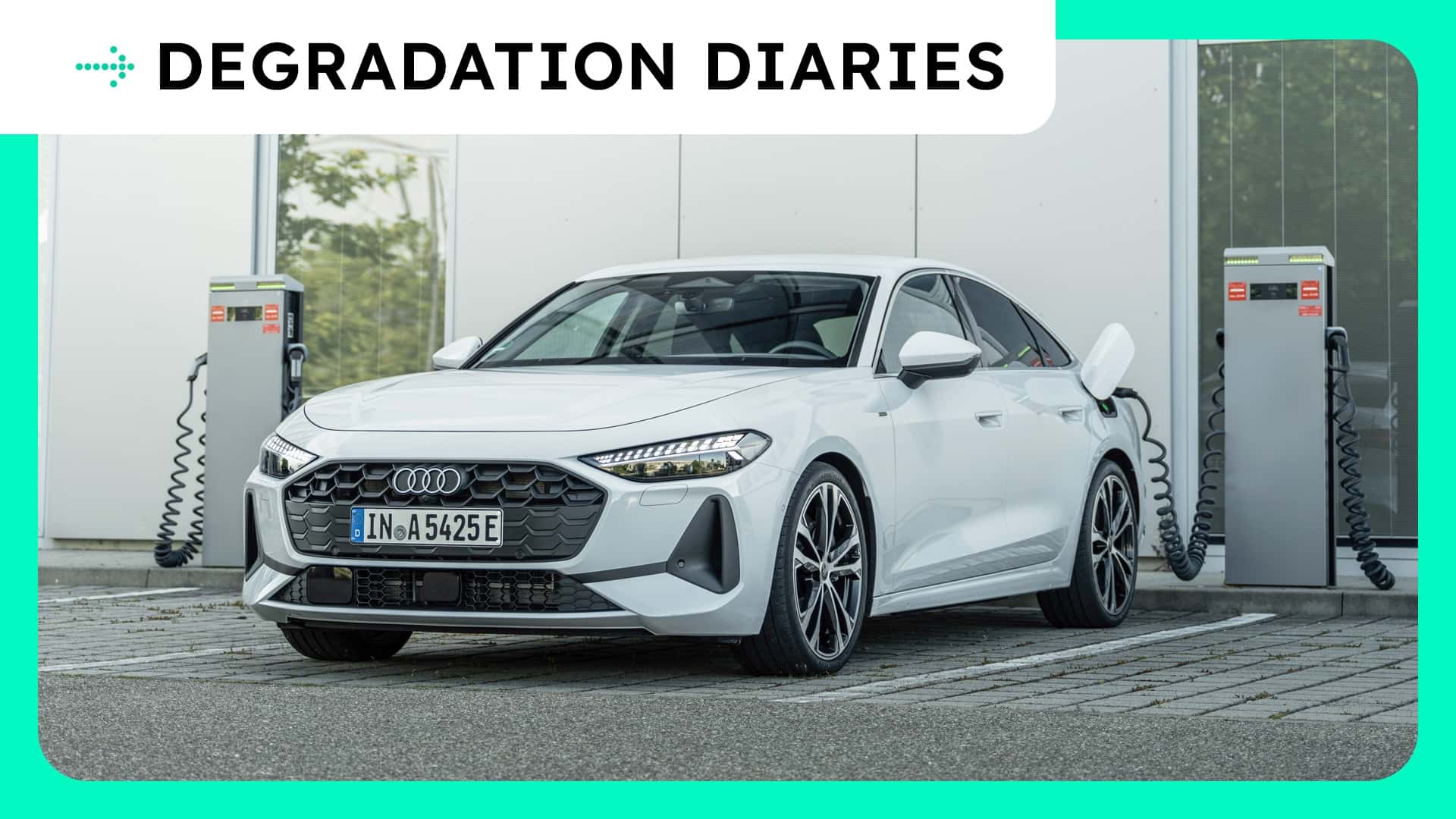
PHEV Batteries Show Resilience Despite Frequent Cycling
Plug-in hybrid electric vehicles (PHEVs) experience more frequent battery cycling than fully…
1d ago