E-bike Industry Faces Power Rating Dilemma
The e-bike industry is experiencing a surge in models with power ratings exceeding the traditional 750 watts, with some reaching up to 2000 watts. This trend raises concerns about the classification of e-bikes and the potential for stricter regulations. As manufacturers compete on wattage, the distinction between e-bikes and more powerful electric two-wheelers is becoming blurred, which could affect all riders.

Key takeaways
30-second read- 1Buyers may face confusion over what constitutes a legal e-bike, impacting their purchasing decisions.
- 2Higher wattage models could lead to stricter regulations affecting all e-bike riders, including those with lower-powered models.
- 3The focus on power ratings may detract from other important performance factors, potentially leading to less optimal riding experiences.
Confirmed
No official source linked yet
Reported
Secondary reporting: Electrek
Verify yourself
Eligibility, local prices and dates for your car, state or utility
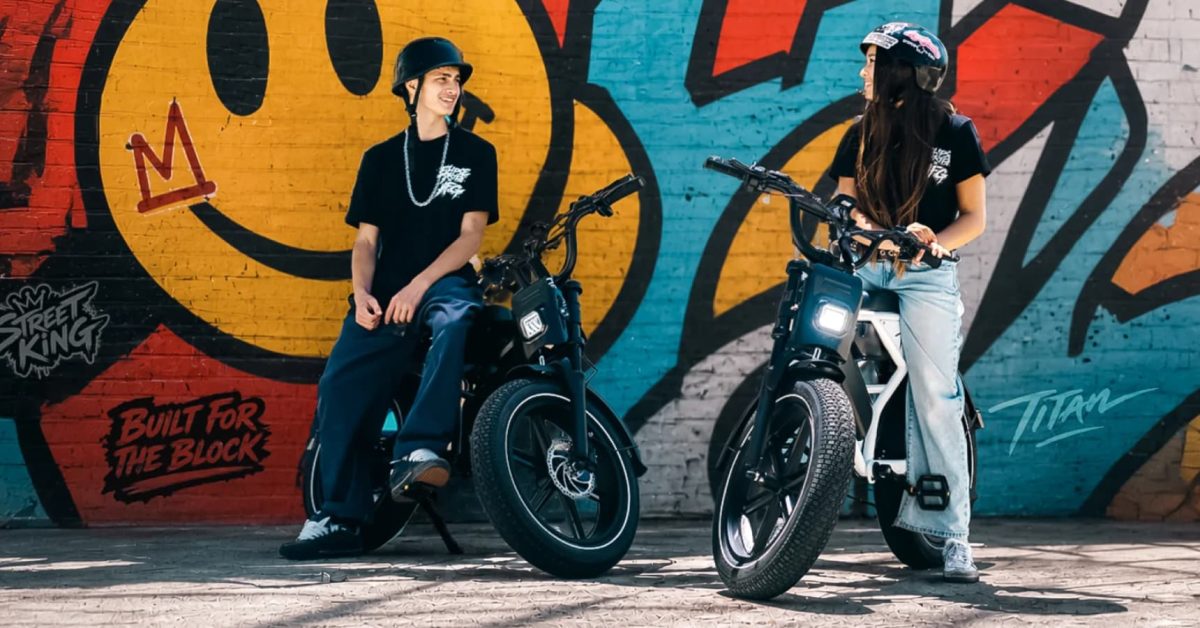
The e-bike industry is currently facing a significant shift in power ratings, with many new models boasting motor capabilities that far exceed the traditional benchmark of 750 watts. As manufacturers increasingly advertise e-bikes with power ratings of 1,000 watts, 1,500 watts, and even 2,000 watts, the line between electric bicycles and more powerful electric two-wheelers is becoming increasingly blurred.
What changed
Historically, e-bikes in the U.S. have been classified into three categories based on their speed and power: Class 1 and Class 2 e-bikes are limited to 20 mph (32 km/h) and Class 3 e-bikes can reach speeds up to 28 mph (45 km/h). The 750-watt motor has long been a common standard for these classifications. However, the rise of high-powered models raises questions about compliance with these classifications. Many of these powerful e-bikes are marketed for "off-road use" or come with software settings that limit their speed for street riding, but this does not change their inherent capabilities.
Why it matters for buyers and owners
The shift towards higher wattage e-bikes could have several implications for consumers:
- Confusion over legality: Buyers may struggle to understand what constitutes a legal e-bike, especially as regulations evolve in response to the increasing power of these machines.
- Potential for stricter regulations: As complaints about fast e-bikes grow, lawmakers may impose stricter regulations that could affect all riders, not just those on high-powered models.
- Focus on performance: The emphasis on wattage may overshadow other critical performance factors, such as motor design and tuning, which can significantly impact the riding experience.
Key details
The e-bike horsepower war is driven by consumer demand for more powerful machines, often based on spec sheets rather than a comprehensive understanding of e-bike performance. This trend may lead to a backlash against e-bikes in general, as lawmakers respond to public safety concerns. Manufacturers may need to reconsider their marketing strategies and focus on the overall riding experience rather than just power ratings.
What to watch next
As the e-bike market continues to evolve, it will be important to monitor how regulations develop in response to these high-powered models. Additionally, consumers should educate themselves on the differences between e-bikes and more powerful electric two-wheelers to make informed purchasing decisions. The industry may benefit from a clearer distinction between e-bikes and electric motorcycles, ensuring that all riders can enjoy their machines safely and legally.
Buying guide: Best Electric Bike for Commuting (2026): Classes, Safety and What to Check
Sources
1 media- [1]The e-bike industry has a horsepower problemMedia
Electrek · electrek.co · published Nov 24
Newsletter
Weekly EV signal. No spam.
Comments
Log in with
Loading comments…