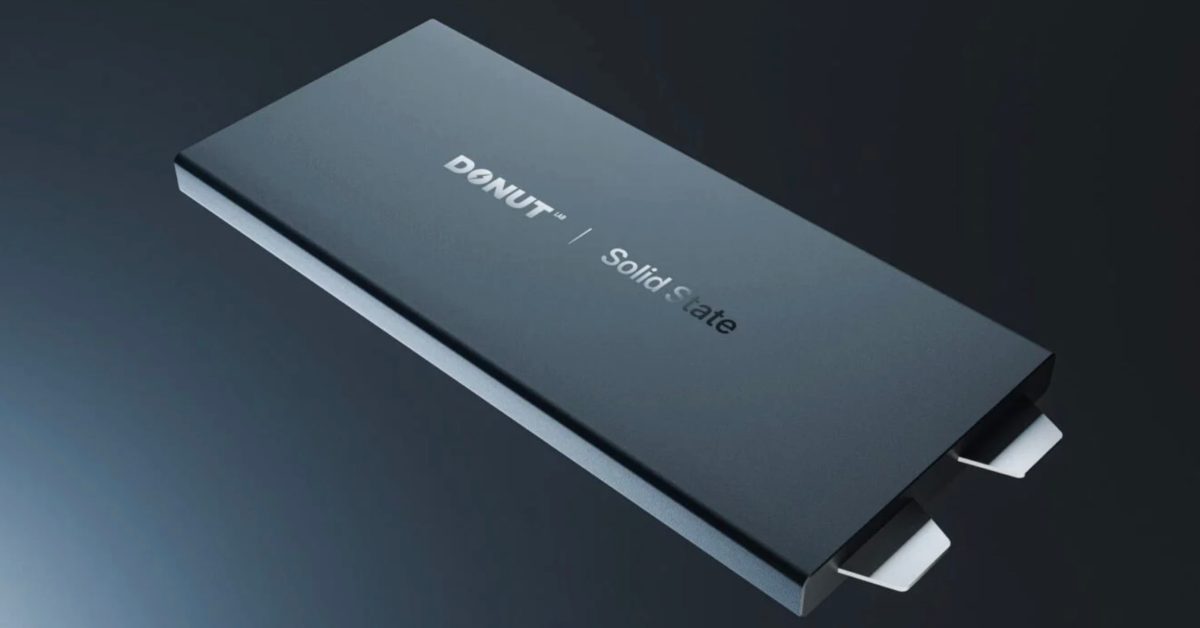
Donut Lab's Solid-State Battery Claims Under Scrutiny After Intertek Testing
Updated September 23, 2026
3 min read
1 linked source
Donut Lab claims its solid-state battery is neither lithium-ion nor sodium-ion based on a recent test from Intertek, which found only 3.4 ppm of lithium in a sample. However, the testing was limited to just two elements and conducted on a cell that Donut Lab disassembled. As of now, there are no production vehicles utilizing this battery technology.
Share this story
Why it matters
- ✓The uncertainty surrounding the battery's composition could affect consumer confidence in Donut Lab's technology.
- ✓Without a production vehicle using this battery, potential buyers may need to wait longer for advancements in solid-state battery technology.
- ✓Limited testing raises questions about the battery's performance and safety, which are critical factors for EV buyers.
Reporting notes
EV Signal briefs are written to explain the verified change first, then add the context EV buyers and owners need to understand cost, availability, charging access, eligibility, or ownership impact.
If details are still developing, we try to say what is confirmed, what comes from secondary reporting, and what readers should verify before acting.
Source mix
1 linked source
1 media
Reviewed from: Electrek.
Donut Lab's Solid-State Battery Claims Under Scrutiny After Intertek Testing
Donut Lab has recently made headlines with its claims regarding a revolutionary solid-state battery that it asserts is neither lithium-ion nor sodium-ion. This assertion is based on a test conducted by Intertek, a UK-based lab, which reported finding only 3.4 parts per million (ppm) of lithium in a sample of Donut Lab's battery. However, the validity of these claims is under scrutiny due to the limited scope of the testing and the lack of a production vehicle utilizing this technology.
What Changed?
The key development comes from a report by Intertek, which analyzed a sample of Donut Lab's solid-state battery. The lab's findings suggest that the battery contains minimal lithium, leading Donut Lab to argue that its technology does not fall into the traditional lithium-ion or sodium-ion categories. However, the testing was limited to just two elements, and the sample was taken from a cell that Donut Lab itself disassembled. This raises concerns about the comprehensiveness and objectivity of the testing process.
Why It Matters for Buyers/Owners
The implications of Donut Lab's claims and the subsequent testing results are significant for potential EV buyers and owners:
- Consumer Confidence: The uncertainty surrounding the battery's composition and performance could lead to skepticism among consumers regarding the viability of Donut Lab's technology.
- Production Delays: With no production vehicles currently utilizing this battery technology, buyers may face delays in accessing new EV models that promise enhanced performance and safety features associated with solid-state batteries.
- Performance and Safety Concerns: The limited testing raises questions about the battery's overall performance and safety, which are critical considerations for consumers when choosing an electric vehicle.
Key Details from Source Material
According to the report from Electrek, Donut Lab's claims are based on the findings from Intertek, which measured only two elements in the battery sample. The low level of lithium detected (3.4 ppm) is being used by Donut Lab to differentiate its product from conventional lithium-ion and sodium-ion batteries. However, the lack of a production vehicle running on this battery technology nine months after its debut at CES indicates that practical applications of this technology are still far from realization.
What to Watch Next
As developments unfold, it will be important to monitor further testing and validation of Donut Lab's solid-state battery technology. Key areas to watch include:
- Additional Testing: Future independent tests that analyze a broader range of elements and performance metrics will be crucial in assessing the viability of Donut Lab's claims.
- Production Updates: Any announcements regarding production timelines for vehicles utilizing this technology will be significant for consumers eager for advancements in EV battery technology.
- Market Reactions: Consumer and industry reactions to the findings will also play a role in shaping the future of Donut Lab's technology and its acceptance in the EV market.
In summary, while Donut Lab is making bold claims about its solid-state battery, the current evidence raises more questions than answers, leaving potential buyers and owners in a state of uncertainty regarding the technology's future.
Sources
These are the documents and reports used to build this brief so readers can verify the story directly.
Comments
Log in with
Loading comments…
More in Models & Pricing
Bentley's First EV, the Torcal, Offers Rapid Charging Capabilities
Bentley has launched its first electric vehicle, the Torcal, a midsize SUV that boasts rapid…
10h ago
Fiat Grande Panda Outperforms Claimed Range in Real-World Test
In a recent highway range test, the Fiat Grande Panda exceeded its officially claimed range,…
10h ago
Bentley Launches Torcal, Its First All-Electric SUV
Bentley has officially unveiled the Torcal, marking its entry into the electric vehicle market.…
10h ago
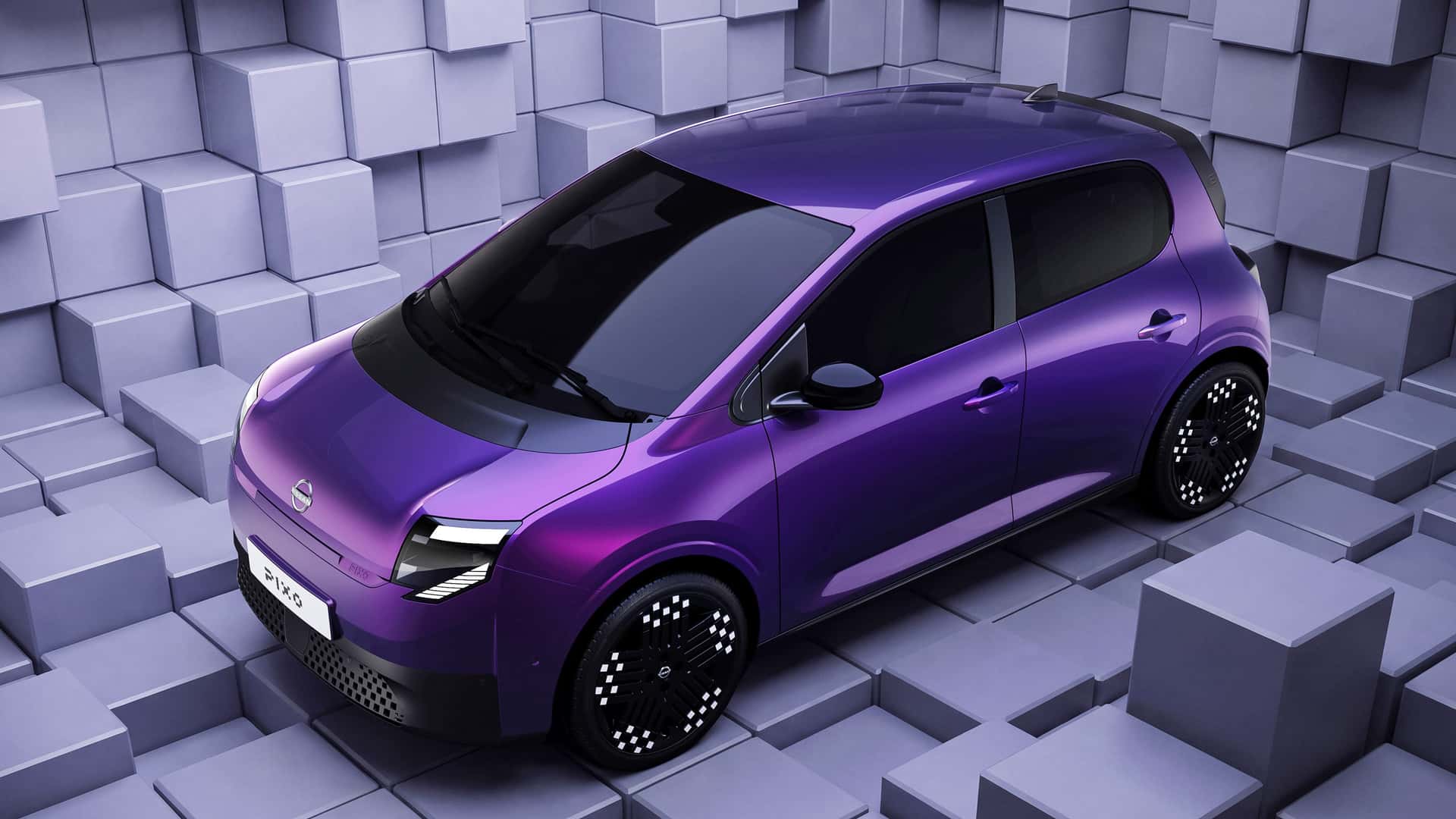
Nissan's Newest EV is a Renault, Not a Nissan
Nissan has unveiled its latest electric vehicle (EV), the Pixo, which is actually a rebadged…
10h ago