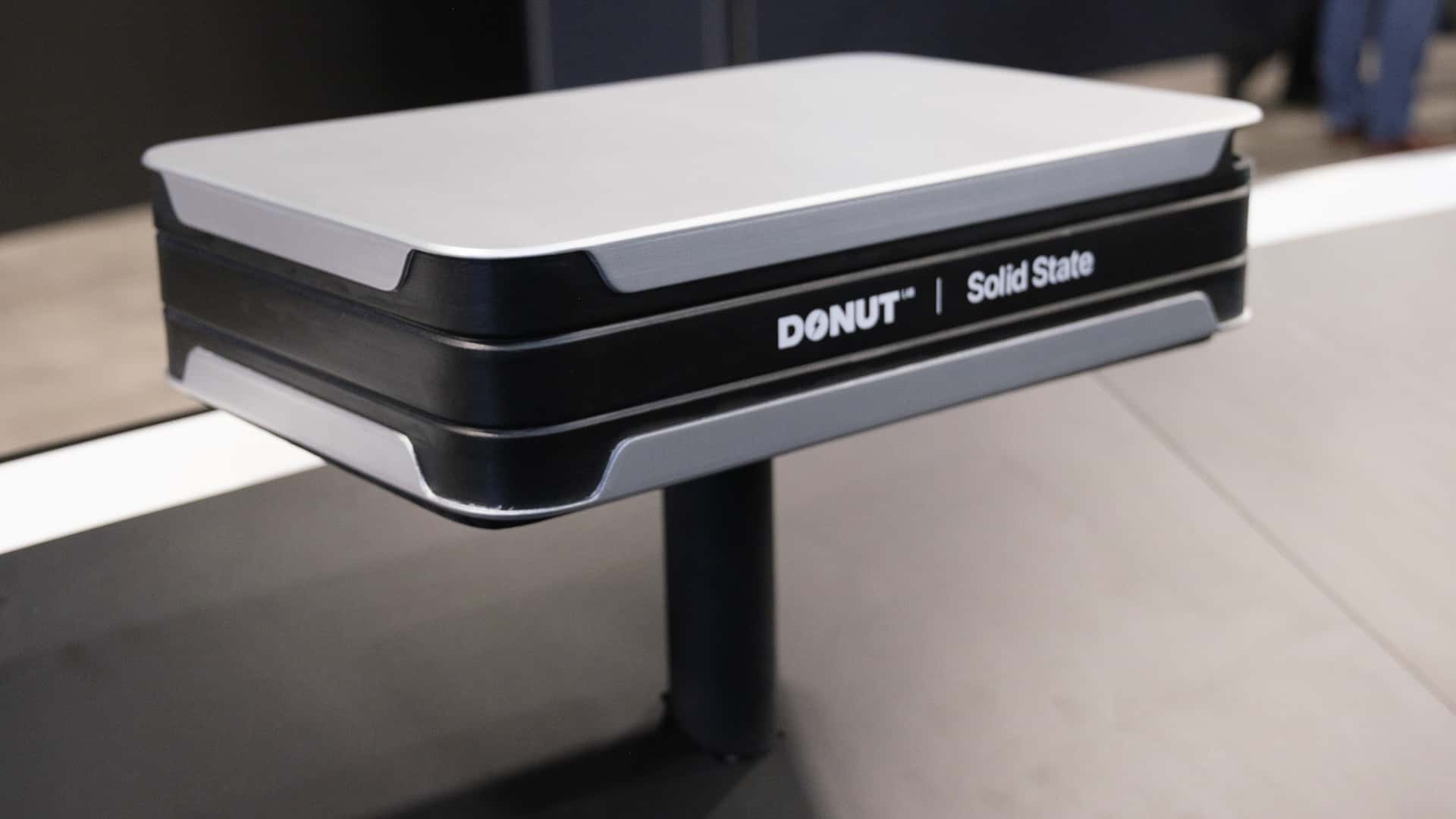
Donut Lab Confirms Solid-State Battery Distinction from Supercapacitors
Updated March 27, 2026
3 min read
1 linked source
Donut Lab has completed its third test on its solid-state battery technology, confirming that it does not function as a supercapacitor. The results clarify the battery's capabilities and potential applications in electric vehicles. This distinction is crucial for understanding the future of energy storage solutions in the EV market.
Share this story
Why it matters
- ✓Clarifies the technology behind Donut Lab's battery, helping buyers understand its performance characteristics.
- ✓Potentially impacts the development of more efficient energy storage solutions for electric vehicles.
- ✓Informs consumers about the reliability and longevity of the battery technology in future EV models.
Reporting notes
EV Signal briefs are written to explain the verified change first, then add the context EV buyers and owners need to understand cost, availability, charging access, eligibility, or ownership impact.
If details are still developing, we try to say what is confirmed, what comes from secondary reporting, and what readers should verify before acting.
Source mix
1 linked source
1 media
Reviewed from: InsideEVs.
Donut Lab Confirms Solid-State Battery Distinction from Supercapacitors
Donut Lab, an innovative startup in the electric vehicle (EV) battery sector, has recently conducted its third test on its solid-state battery technology. The primary objective of this test was to determine whether the battery operates similarly to a supercapacitor. The results have now been released, providing clarity on the battery's functionality and its implications for the future of energy storage in electric vehicles.
Understanding Solid-State Batteries and Supercapacitors
Before diving into the test results, it is essential to understand the fundamental differences between solid-state batteries and supercapacitors. Solid-state batteries utilize solid electrolytes to facilitate the movement of ions, which can lead to higher energy densities and longer life cycles compared to traditional lithium-ion batteries. In contrast, supercapacitors store energy through electrostatic charge, allowing for rapid charging and discharging but typically at lower energy densities.
The Test Results
In its latest round of testing, Donut Lab aimed to definitively establish that its solid-state battery is not a supercapacitor. The results confirmed that the battery operates within the expected parameters of solid-state technology, demonstrating characteristics that align with energy storage rather than the rapid charge/discharge capabilities of supercapacitors. This distinction is crucial as it sets the stage for potential applications and improvements in the EV market.
Implications for Electric Vehicle Buyers and Owners
The confirmation that Donut Lab's solid-state battery is not a supercapacitor carries significant implications for EV buyers and owners:
-
Performance Expectations: Understanding that the battery is a solid-state technology allows consumers to set realistic expectations regarding energy storage capacity, longevity, and charging times. Solid-state batteries are generally expected to offer better performance than traditional batteries, which could enhance the overall driving experience.
-
Future Developments: With this clarity, Donut Lab can focus on refining its solid-state battery technology, which may lead to advancements that could be integrated into future EV models. This could mean longer ranges, faster charging times, and improved safety features for consumers down the line.
-
Market Positioning: As the EV market continues to evolve, the distinction between solid-state batteries and supercapacitors may influence consumer choices and manufacturer strategies. Buyers may prefer vehicles equipped with solid-state batteries for their potential benefits, impacting sales and market dynamics.
Conclusion
Donut Lab's recent testing has provided valuable insights into its solid-state battery technology, confirming its distinction from supercapacitors. As the EV industry continues to innovate, understanding the capabilities and limitations of different battery technologies will be crucial for consumers making informed decisions. With the potential for solid-state batteries to enhance the performance and reliability of electric vehicles, this development is one to watch closely as the market evolves.
Sources
These are the documents and reports used to build this brief so readers can verify the story directly.
Comments
Log in with
Loading comments…
More in Models & Pricing

Renault 8 Gordini Returns as Rear-Wheel Drive EV
Renault has unveiled the return of the iconic Renault 8 Gordini as a rear-wheel drive electric…
Just now

Bentley's First EV, the Torcal, Offers Rapid Charging Capabilities
Bentley has launched its first electric vehicle, the Torcal, a midsize SUV that boasts rapid…
12h ago

Fiat Grande Panda Outperforms Claimed Range in Real-World Test
In a recent highway range test, the Fiat Grande Panda exceeded its officially claimed range,…
12h ago
Bentley Launches Torcal, Its First All-Electric SUV
Bentley has officially unveiled the Torcal, marking its entry into the electric vehicle market.…
12h ago