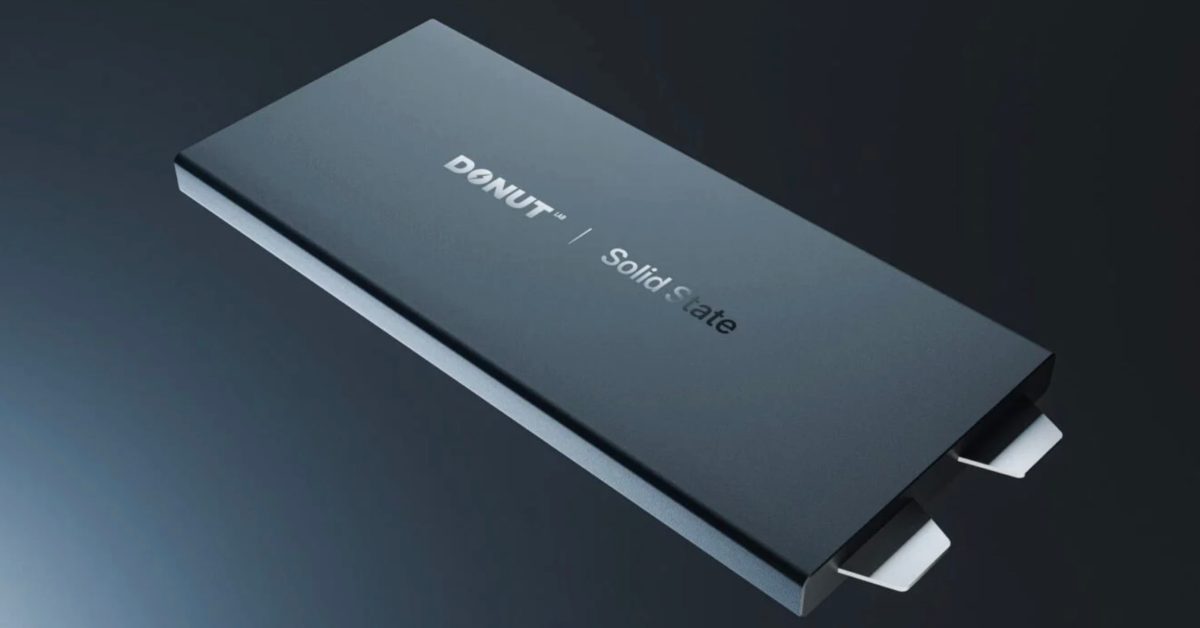
Donut Lab Claims 409 Wh/kg Battery Density, Faces Credibility Issues
Updated September 2, 2026
3 min read
1 linked source
Donut Lab has announced an energy density of 409 Wh/kg for its battery technology, but this comes amid significant skepticism regarding the company's credibility. The announcement contradicts previous claims that the solid-state battery would be in production for electric vehicles by Q1 2026, which has not materialized.
Share this story
Why it matters
- ✓The uncertainty surrounding Donut Lab's battery production could delay advancements in EV technology, affecting future vehicle availability.
- ✓If the promised energy density is validated and production begins, it could lead to lighter, more efficient EVs, potentially lowering ownership costs.
- ✓Buyers may need to remain cautious about investing in vehicles that claim to utilize Donut Lab's technology until more reliable information is available.
Reporting notes
EV Signal briefs are written to explain the verified change first, then add the context EV buyers and owners need to understand cost, availability, charging access, eligibility, or ownership impact.
If details are still developing, we try to say what is confirmed, what comes from secondary reporting, and what readers should verify before acting.
Source mix
1 linked source
1 media
Reviewed from: Electrek.
Donut Lab's Battery Density Announcement
Donut Lab has recently reported achieving an energy density of 409 Wh/kg and 805 Wh/L in its battery technology. This is the first time the company has publicly shared an energy-density figure after facing scrutiny over its previous claims. However, this announcement raises questions about the company's credibility, particularly as it contradicts earlier promises regarding the timeline for production.
What Changed?
The key change is Donut Lab's claim of reaching a significant energy density milestone with its battery technology. This figure is notable in the context of battery development, as higher energy densities can lead to improved performance in electric vehicles (EVs). However, this announcement is overshadowed by the fact that Donut Lab previously stated that its solid-state battery would be in production and ready for use in a production EV by the end of Q1 2026. As of now, this has not occurred, leading to skepticism about the company's future capabilities.
Why It Matters for Buyers and Owners
-
Impact on EV Technology: The uncertainty surrounding Donut Lab's battery production could delay advancements in EV technology. If the company cannot deliver on its promises, it may hinder the development of more efficient vehicles that utilize this technology.
-
Potential for Improved Vehicles: Should Donut Lab's energy density claims be validated and production commence, it could lead to lighter and more efficient EVs. This advancement has the potential to lower ownership costs and improve driving range, making EVs more attractive to consumers.
-
Caution for Buyers: Given the current lack of credible production timelines, potential buyers should exercise caution when considering vehicles that may claim to use Donut Lab's technology. Until more reliable information is available, investing in such vehicles may carry risks.
Key Details from Source Material
According to Electrek, Donut Lab's announcement of achieving 409 Wh/kg is significant but comes with a backdrop of broken promises. The company had previously assured stakeholders that its solid-state battery would be ready for production by the end of Q1 2026, a timeline that has not been met. This inconsistency raises questions about the reliability of the company's future claims and its ability to deliver on its technology.
What to Watch Next
As the situation develops, it will be important to monitor any further announcements from Donut Lab regarding production timelines and the validation of its energy density claims. Stakeholders and potential buyers should remain informed about the company's progress and any independent assessments of its technology. Additionally, the broader EV market may react to these developments, influencing consumer confidence and investment in emerging battery technologies.
Sources
These are the documents and reports used to build this brief so readers can verify the story directly.
Comments
Log in with
Loading comments…
More in Ownership
Tesla's Lawyers Misled Witness in Racism Trial
Tesla's ongoing racism trial in California has faced significant setbacks as it was revealed that a…
18h ago
Rivian R2 Faces First Recall Due to Camera Issue
Rivian has issued a recall affecting nearly 99,000 vehicles, including some of its new R2 models,…
18h ago
BMW iX3 Outperforms Mercedes GLC and Volvo EX60 in Highway Efficiency Test
In a recent highway test, the BMW iX3 demonstrated superior energy efficiency and range compared to…
1d ago
PHEV Batteries Show Resilience Despite Frequent Cycling
Plug-in hybrid electric vehicles (PHEVs) experience more frequent battery cycling than fully…
1d ago