Donald Trump Approval Ratings Decline Amid Economic Challenges
Donald Trump's approval ratings have reached a record low, influenced by a struggling economy and rising inflation. This decline in public support may impact his policies and decisions, particularly in areas affecting electric vehicle (EV) buyers and owners. The economic landscape remains uncertain, with potential implications for EV pricing and incentives.

Key takeaways
30-second read- 1High inflation and economic instability could lead to increased prices for EVs and charging infrastructure.
- 2Changes in tariffs on imported goods may affect the cost of EV components, impacting overall ownership costs.
- 3Policy shifts resulting from low approval ratings could alter incentives for EV purchases or investments in charging networks.
Confirmed
No official source linked yet
Reported
Secondary reporting: CleanTechnica
Verify yourself
Eligibility, local prices and dates for your car, state or utility
Overview of the Situation
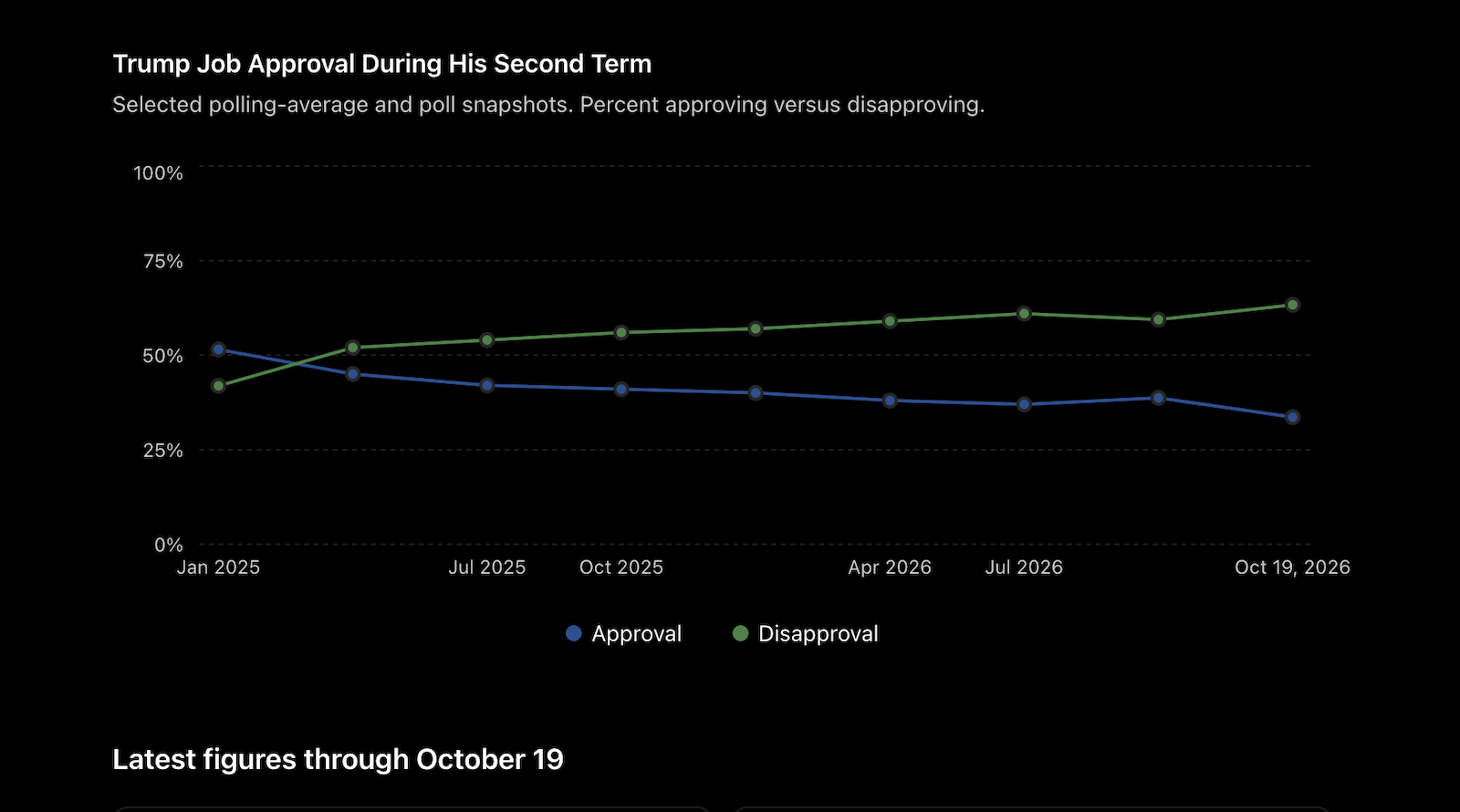
Donald Trump's approval ratings have recently plummeted to record lows, a trend that appears to be closely linked to the current economic climate, characterized by high inflation and a struggling economy. According to CleanTechnica, the combination of these factors has raised concerns about how Trump's policies may evolve in response to his declining public support.
What Changed
The significant drop in Trump's approval ratings is attributed to various actions taken during his second term, including military interventions and the imposition of tariffs on imported goods. These decisions have contributed to economic instability, leading to increased gas prices and overall inflation, which are major concerns for American consumers, including those interested in electric vehicles (EVs).
Why It Matters for Buyers and Owners
The implications of Trump's low approval ratings extend beyond politics and may directly impact EV buyers and owners:
- Price Increases: Ongoing inflation could lead to higher prices for EVs and related charging infrastructure, making it more challenging for consumers to afford electric vehicles.
- Tariff Impacts: The tariffs imposed on imported goods may affect the cost of EV components, potentially raising the overall ownership costs for consumers.
- Policy Changes: If Trump's approval ratings continue to decline, there may be shifts in policy that could affect incentives for EV purchases or investments in charging networks, which are critical for the growth of the EV market.
Key Details from Source Material
The article from CleanTechnica highlights that Trump's administration has engaged in military actions, such as bombing Iran, which have contributed to volatility in gas prices. This volatility, coupled with tariffs on imports, has created a challenging economic environment. The article suggests that these factors are likely contributing to the dissatisfaction among the electorate, which could influence future policy decisions.
What to Watch Next
As the situation develops, it will be important to monitor:
- Economic Indicators: Keep an eye on inflation rates and gas prices, as these will impact consumer behavior and the EV market.
- Policy Announcements: Watch for any changes in tariffs or incentives related to EVs, as these could shift based on the political landscape and public sentiment.
- Public Sentiment: Continued tracking of Trump's approval ratings may provide insight into potential shifts in policy that could affect the EV sector.
In conclusion, while the current economic climate poses challenges for EV buyers and owners, the evolving political landscape may also play a significant role in shaping the future of electric vehicles in the United States.
Sources
1 media- [1]Donald Trump Approval At Record Low — Disastrous Economy & Inflation Might Play A PartMedia
CleanTechnica · cleantechnica.com · published Oct 19
Newsletter
Weekly EV signal. No spam.
Comments
Log in with
Loading comments…