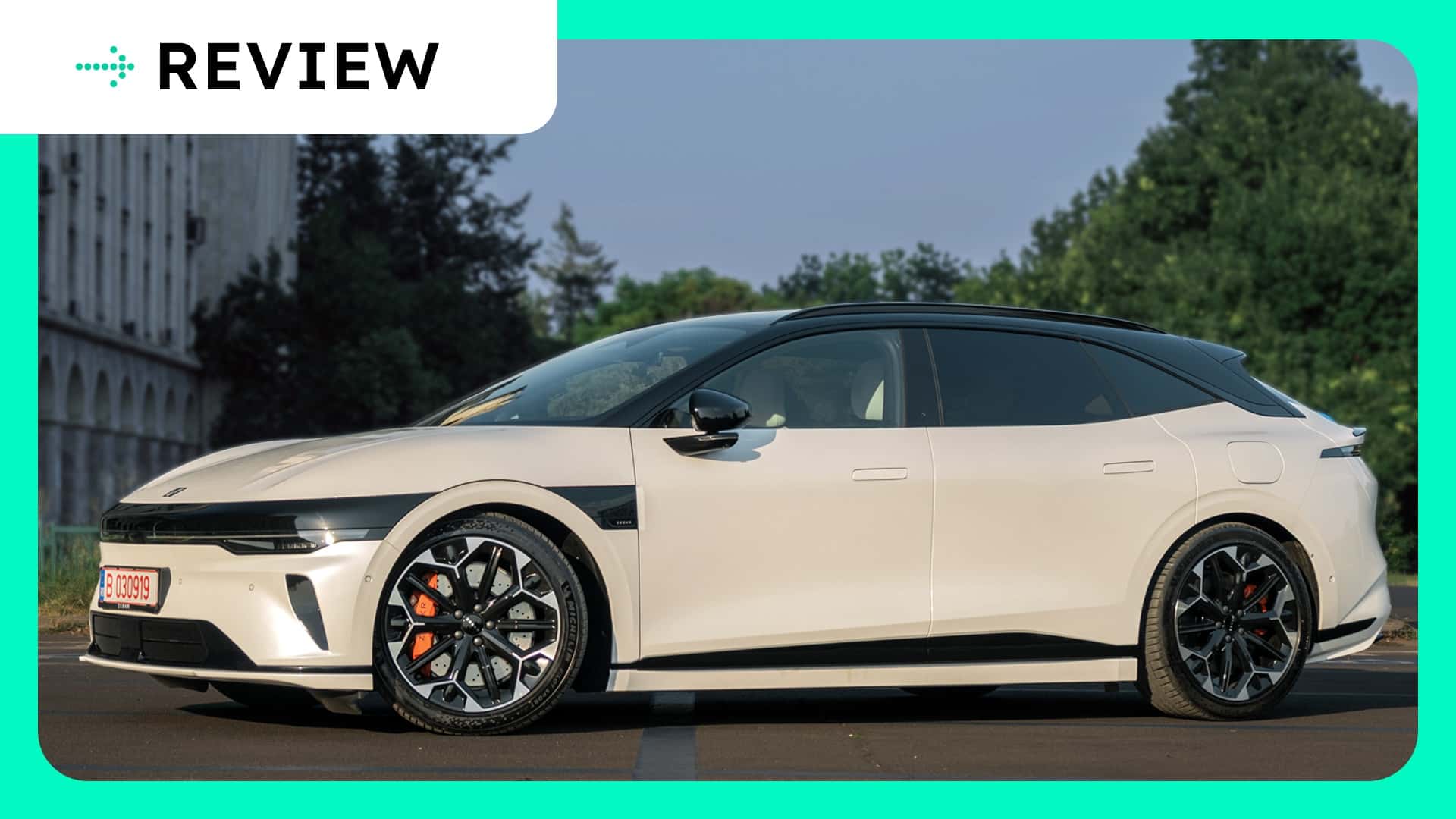
Dodge Charger EV Prototype Tests Semi-Solid-State Battery Technology
Stellantis, the parent company of Dodge, is testing an experimental semi-solid-state battery in a prototype Charger EV. This development is part of their ongoing exploration into the viability of this battery technology for electric vehicles. The real-world testing phase indicates a significant step forward, but further details on performance and availability are still pending.

Key takeaways
30-second read- 1If successful, semi-solid-state batteries could improve energy density and reduce costs for future EV models.
- 2This technology may lead to faster charging times and longer ranges, enhancing the overall ownership experience.
- 3The outcome of these tests could influence the market availability of the Dodge Charger EV and similar models.
Confirmed
No official source linked yet
Reported
Secondary reporting: InsideEVs
Verify yourself
Eligibility, local prices and dates for your car, state or utility

Dodge Charger EV Prototype Tests Semi-Solid-State Battery Technology
Stellantis, the parent company of Dodge, is currently testing an experimental semi-solid-state battery in a prototype of the Charger EV. This initiative marks a significant step in the company's efforts to explore advanced battery technologies that could enhance the performance and efficiency of electric vehicles.
What Changed
The key change is the introduction of a semi-solid-state battery in a Dodge Charger EV prototype. This type of battery is known for its potential advantages over traditional lithium-ion batteries, including higher energy density, improved safety, and possibly lower production costs. The Charger EV is being used as a test mule to assess the real-world viability of this technology.
Why It Matters for Buyers and Owners
The implications of this development could be substantial for EV buyers and owners:
- Improved Battery Performance: If the semi-solid-state battery proves successful, it could lead to electric vehicles with longer ranges and faster charging capabilities, enhancing the overall user experience.
- Cost Efficiency: The potential for lower production costs could translate to more affordable EV options in the future, making electric vehicles more accessible to a broader audience.
- Market Impact: The results of these tests could determine the future availability of the Dodge Charger EV and influence the broader market for electric vehicles, especially in the performance segment.
Key Details from Source Material
According to InsideEVs, Stellantis is actively exploring the viability of semi-solid-state batteries through real-world testing. The Charger EV prototype serves as a platform for this exploration, indicating that the company is serious about advancing battery technology. However, specifics regarding the performance metrics, charging times, and overall efficiency of the semi-solid-state battery remain unclear at this stage.
What to Watch Next
As Stellantis continues its testing, it will be important to monitor the outcomes of these trials. Key areas to watch include:
- Performance Metrics: Any announcements regarding the efficiency, range, and charging times of the semi-solid-state battery in the Charger EV prototype.
- Production Plans: Updates on whether Stellantis plans to incorporate this technology into future production models and the timeline for such developments.
- Market Reactions: How competitors respond to this advancement in battery technology and whether similar innovations emerge in the EV market.
In conclusion, while the testing of the semi-solid-state battery in the Dodge Charger EV prototype is a promising development, further information is needed to fully understand its implications for the future of electric vehicles.
Sources
1 media- [1]This Dodge Charger EV Prototype Packs An Experimental Semi-Solid-State BatteryMedia
InsideEVs · insideevs.com · published Jun 11
Newsletter
Weekly EV signal. No spam.
Comments
Log in with
Loading comments…