
DHL Partners with VELA for Wind-Powered Cargo Shipping Across the Atlantic
Updated June 23, 2026
3 min read
1 linked source
DHL is collaborating with VELA to utilize wind-powered ships for transporting cargo across the Atlantic Ocean. This initiative aims to reduce carbon emissions associated with traditional shipping methods. The impact on EV buyers and owners is still uncertain, as the broader implications for shipping costs and sustainability in the supply chain are yet to be fully realized.
Share this story
Why it matters
- ✓Potentially lower shipping costs for EV components if sustainable shipping practices reduce overall logistics expenses.
- ✓Increased availability of eco-friendly shipping options may encourage manufacturers to adopt greener practices, benefiting EV buyers.
- ✓As sustainability becomes a priority, consumers may see a shift in the market towards more environmentally responsible products.
Reporting notes
EV Signal briefs are written to explain the verified change first, then add the context EV buyers and owners need to understand cost, availability, charging access, eligibility, or ownership impact.
If details are still developing, we try to say what is confirmed, what comes from secondary reporting, and what readers should verify before acting.
Source mix
1 linked source
1 media
Reviewed from: Electrek.
DHL Partners with VELA for Wind-Powered Cargo Shipping
DHL has announced a partnership with VELA to implement wind-powered ships for cargo transportation across the Atlantic Ocean. This move marks a significant step towards reducing the carbon footprint associated with traditional shipping methods, aligning with global sustainability goals.
What Changed
The collaboration with VELA allows DHL to harness wind power for its shipping operations, which is expected to lower greenhouse gas emissions significantly. While the exact timeline and scale of this initiative are not detailed, the commitment to using wind energy represents a shift in logistics practices that could influence the entire shipping industry.
Why It Matters for Buyers and Owners
This initiative could have several implications for electric vehicle (EV) buyers and owners:
- Cost Implications: If DHL's wind-powered shipping proves to be more cost-effective, it may lead to reduced shipping costs for EV components and vehicles, potentially lowering prices for consumers.
- Sustainability in Supply Chains: As manufacturers increasingly seek eco-friendly shipping options, this could encourage a broader shift towards sustainable practices in the automotive industry, benefiting EV buyers who prioritize environmental responsibility.
- Market Trends: The adoption of wind-powered shipping may signal a growing trend towards sustainability in logistics, influencing consumer preferences and market dynamics in the EV sector.
Key Details from the Source Material
According to the report from Electrek, DHL's initiative with VELA is part of a broader effort to enhance sustainability in logistics. The use of wind-powered ships is expected to contribute to reducing the carbon emissions associated with maritime shipping, which is a significant source of pollution. While the details of the operational aspects and timelines are not fully outlined, the partnership highlights a commitment to innovative solutions in the shipping industry.
What to Watch Next
As this initiative develops, it will be important to monitor:
- The specific timelines for the rollout of wind-powered shipping services by DHL.
- Any changes in shipping costs for EV manufacturers and how that might affect consumer prices.
- The response from other logistics companies and manufacturers regarding sustainable shipping practices.
In conclusion, while DHL's partnership with VELA represents a promising step towards greener logistics, the full impact on EV buyers and owners will depend on how this initiative influences costs and sustainability practices in the automotive supply chain.
Sources
These are the documents and reports used to build this brief so readers can verify the story directly.
- DHL is putting cargo on wind-powered ships across the Atlantic — ElectrekMEDIA
Comments
Log in with
Loading comments…
More in Ownership
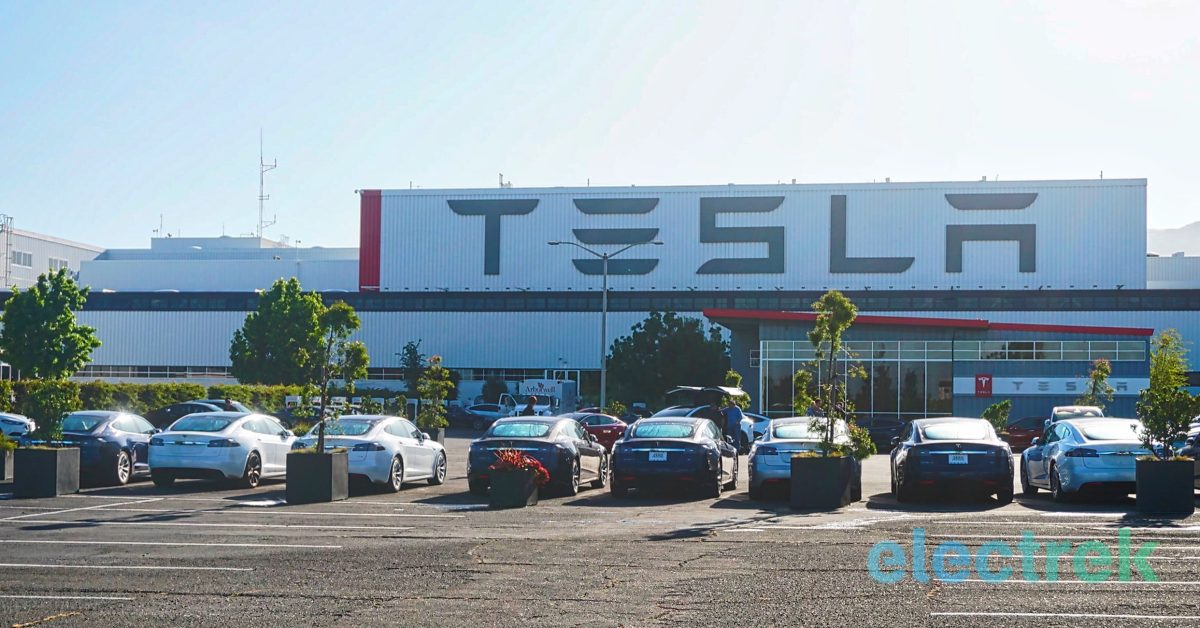
Tesla's Lawyers Misled Witness in Racism Trial
Tesla's ongoing racism trial in California has faced significant setbacks as it was revealed that a…
18h ago
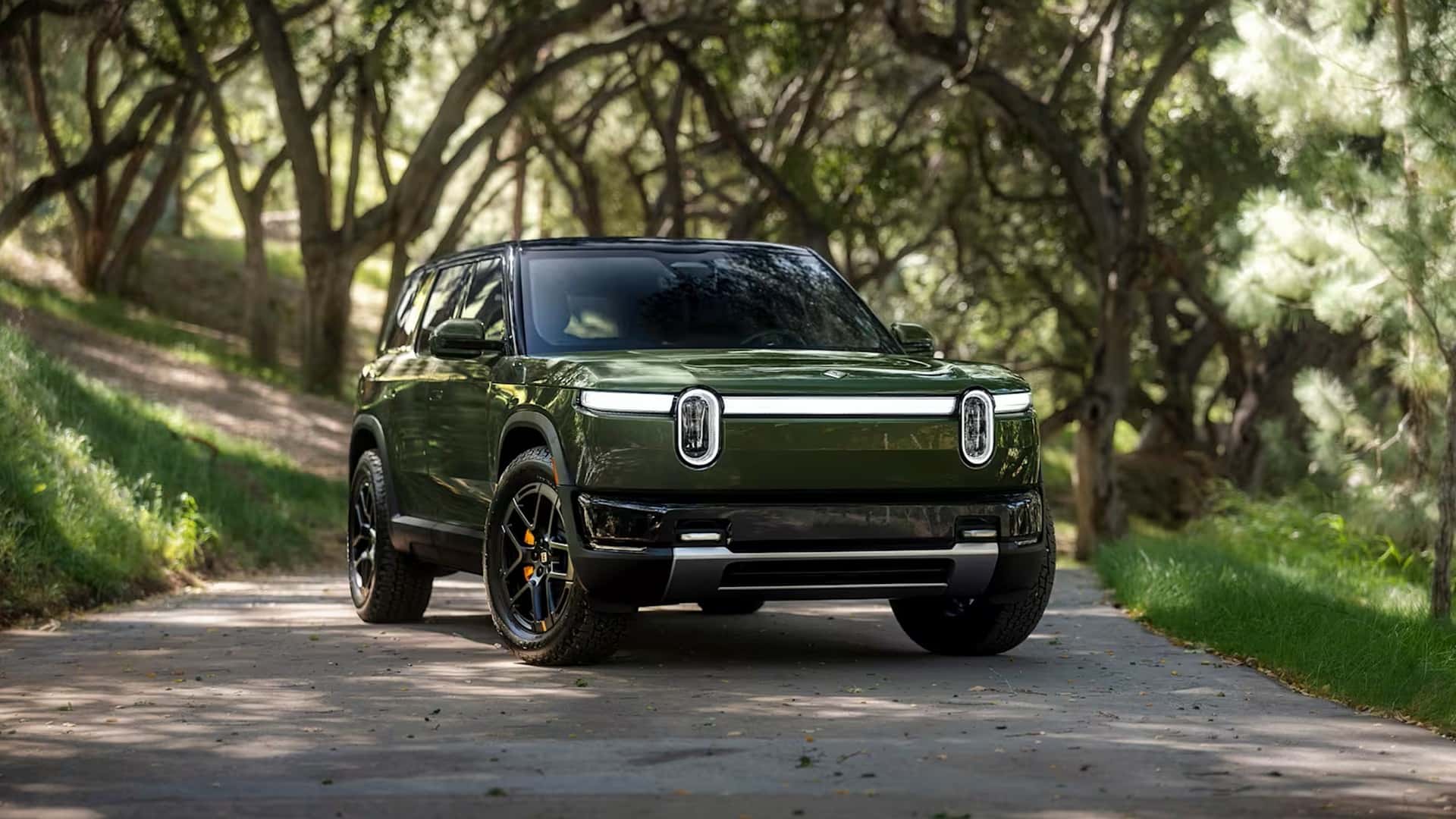
Rivian R2 Faces First Recall Due to Camera Issue
Rivian has issued a recall affecting nearly 99,000 vehicles, including some of its new R2 models,…
18h ago
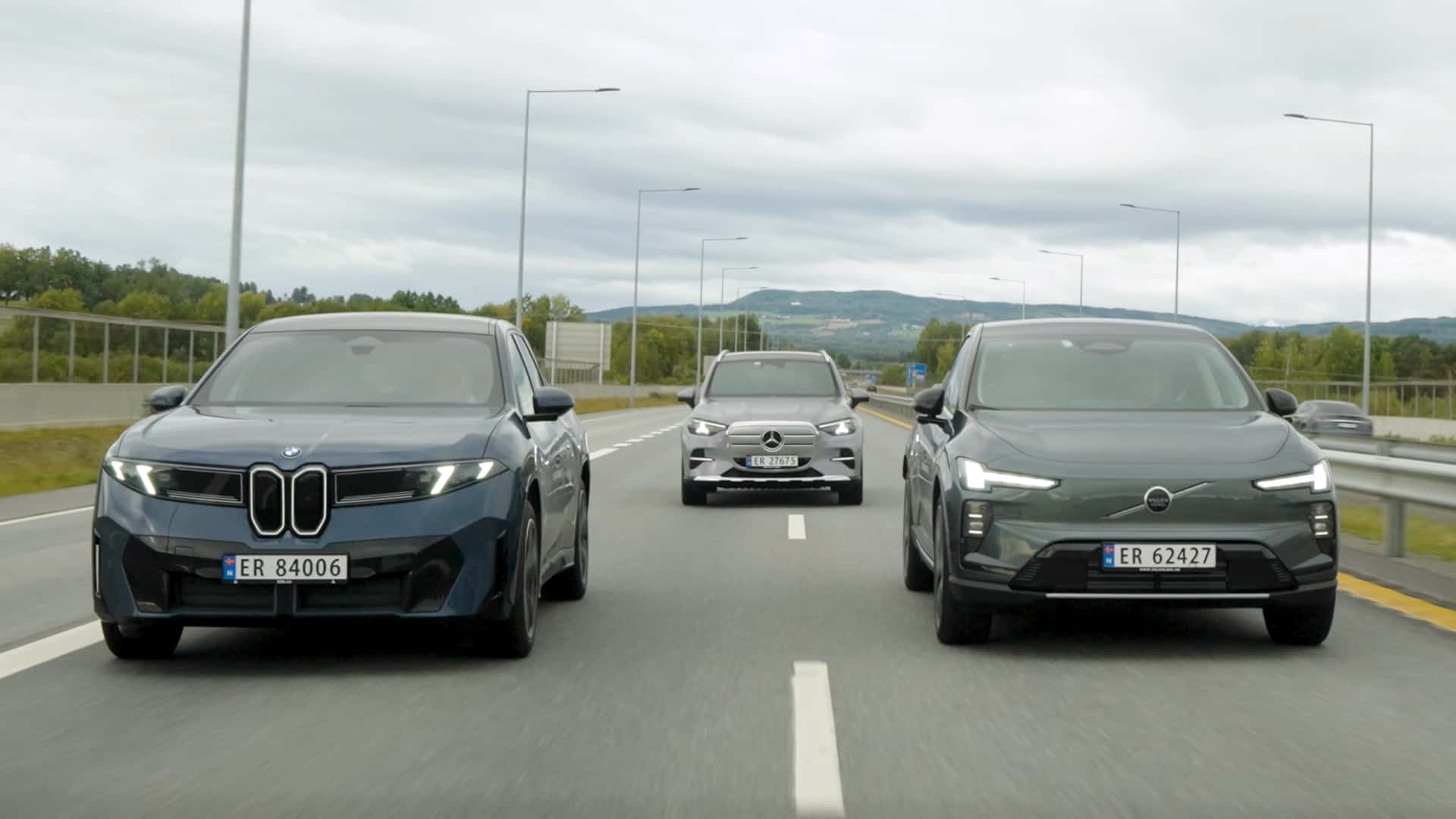
BMW iX3 Outperforms Mercedes GLC and Volvo EX60 in Highway Efficiency Test
In a recent highway test, the BMW iX3 demonstrated superior energy efficiency and range compared to…
1d ago
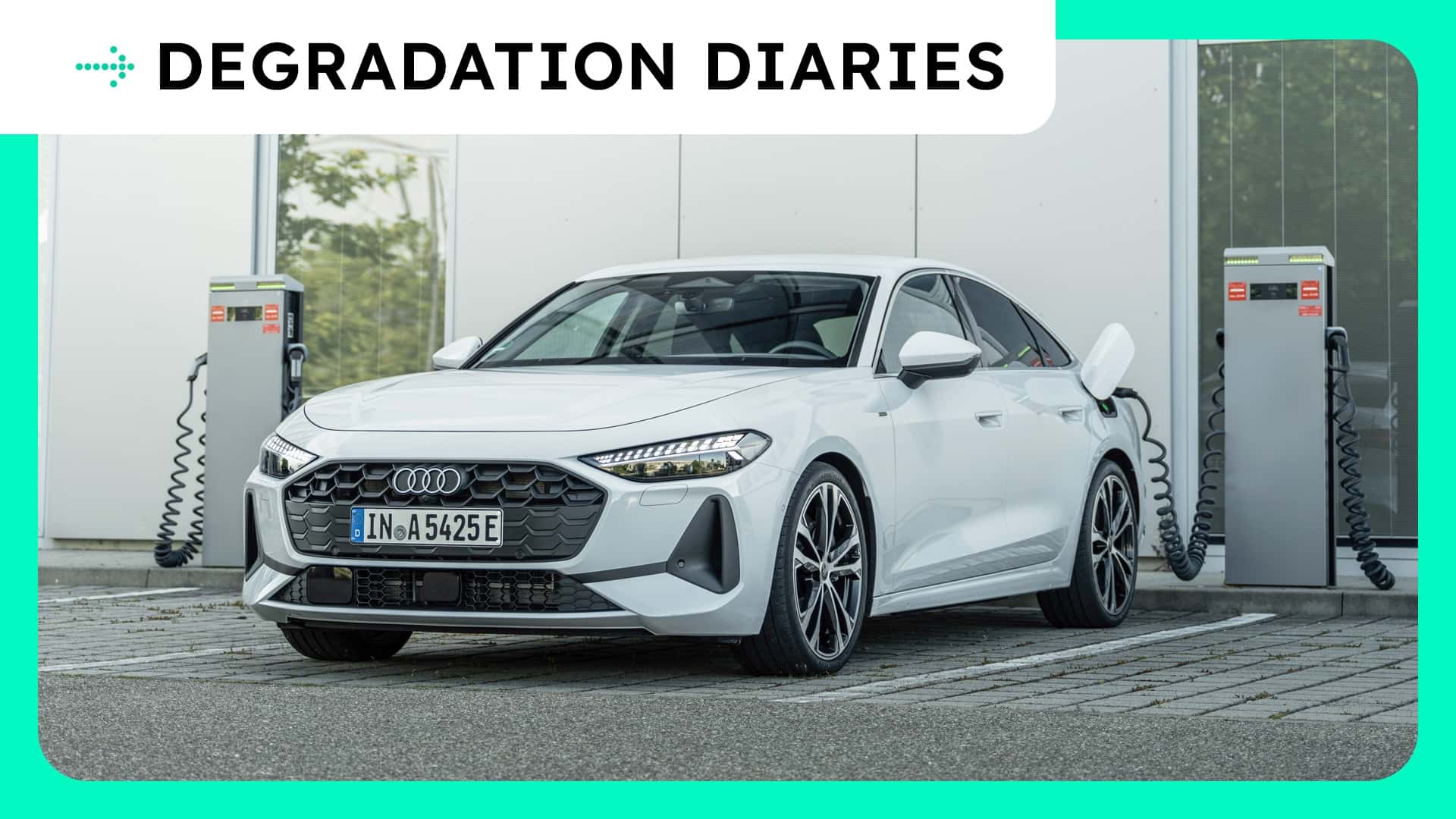
PHEV Batteries Show Resilience Despite Frequent Cycling
Plug-in hybrid electric vehicles (PHEVs) experience more frequent battery cycling than fully…
1d ago