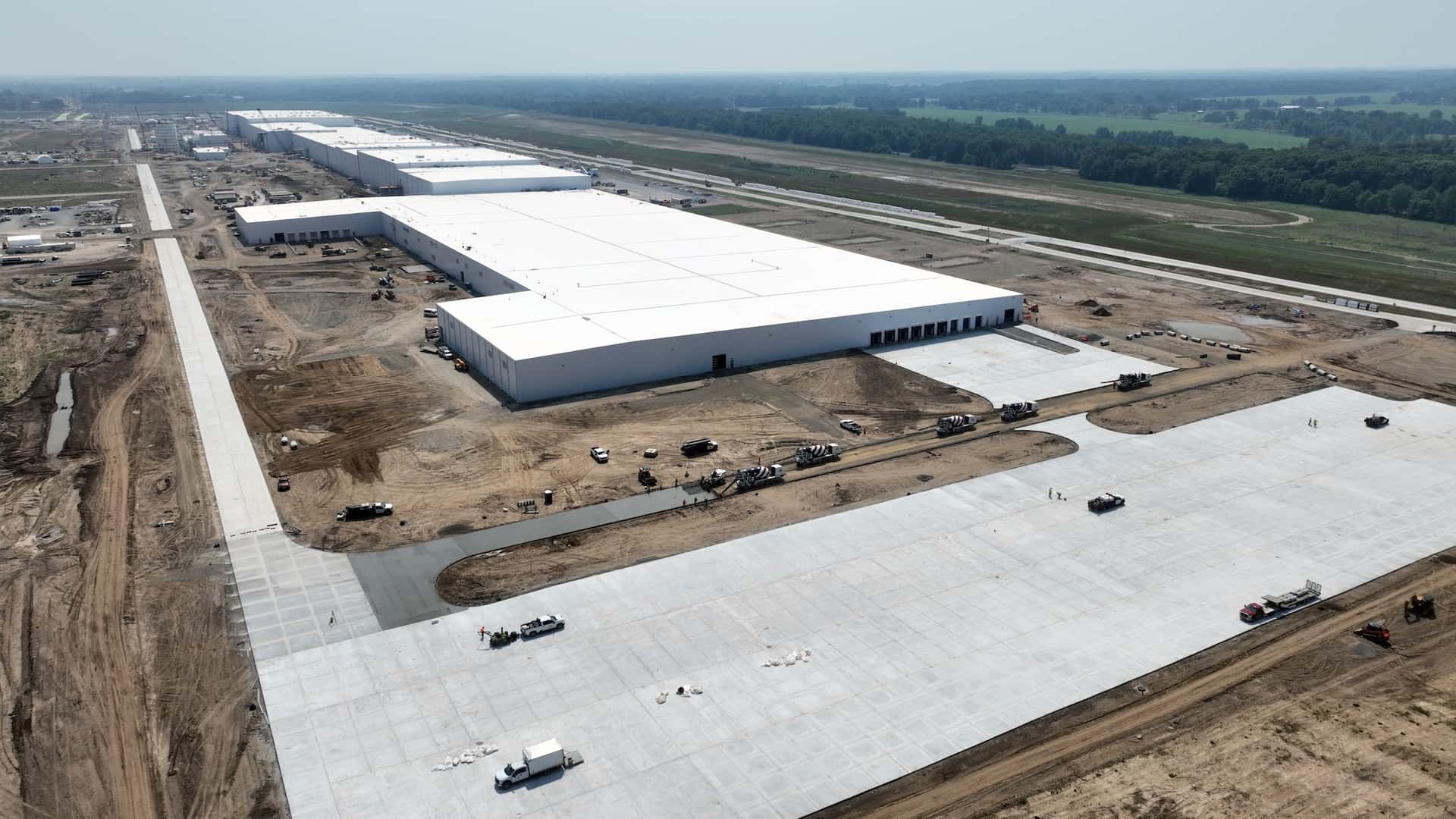
'Deeply Alarmed': Trump Administration Criticizes Ford's Partnership with Chinese Battery Firm
Updated September 9, 2026
3 min read
1 linked source
The Trump Administration has expressed strong disapproval of Ford's collaboration with the Chinese battery manufacturer CATL. Transportation Secretary Sean Duffy urged Ford CEO Jim Farley to terminate the partnership in a letter sent on Tuesday, highlighting concerns over national security and economic implications. This situation may impact Ford's electric vehicle production and supply chain strategies.
Share this story
Why it matters
- ✓Potential disruptions in Ford's EV production could lead to delays in vehicle availability for buyers.
- ✓Concerns over reliance on foreign battery suppliers may affect the pricing of Ford's electric vehicles.
- ✓Increased scrutiny on partnerships with foreign companies could lead to changes in incentives or support for EV buyers.
Reporting notes
EV Signal briefs are written to explain the verified change first, then add the context EV buyers and owners need to understand cost, availability, charging access, eligibility, or ownership impact.
If details are still developing, we try to say what is confirmed, what comes from secondary reporting, and what readers should verify before acting.
Source mix
1 linked source
1 media
Reviewed from: InsideEVs.
Overview of the Situation
The Trump Administration has officially criticized Ford's recent agreement with the Chinese battery manufacturer Contemporary Amperex Technology Co., Limited (CATL). Transportation Secretary Sean Duffy conveyed this disapproval in a letter to Ford CEO Jim Farley, urging the automaker to reconsider its collaboration with Chinese companies. This development raises significant questions about the future of Ford's electric vehicle (EV) initiatives and its supply chain strategy.
What Changed?
The primary change is the Trump Administration's public stance against Ford's partnership with CATL. In the letter, Secretary Duffy expressed that the administration is 'deeply alarmed' by the deal, which could potentially compromise national security and economic interests. This marks a notable shift in the political landscape surrounding electric vehicle production and foreign partnerships, particularly with companies based in China.
Why It Matters for Buyers and Owners
-
Production Delays: If Ford is pressured to halt its collaboration with CATL, it could lead to delays in the production of electric vehicles. This may affect the availability of models that rely on CATL's battery technology, impacting potential buyers.
-
Pricing Implications: The reliance on foreign battery suppliers has been a contentious issue. If Ford faces restrictions or increased costs due to political pressures, these factors could be passed on to consumers, affecting the overall pricing of Ford's electric vehicles.
-
Future Incentives: The scrutiny of foreign partnerships may lead to changes in government incentives for EV buyers. If Ford's deal with CATL is perceived negatively, it could influence the support and subsidies available for consumers purchasing Ford electric vehicles.
Key Details from Source Material
According to InsideEVs, Secretary Duffy's letter highlights concerns that working with Chinese companies could pose risks to U.S. economic and national security. The letter does not specify what actions the administration might take if Ford continues its partnership with CATL, leaving some uncertainty about the future of this collaboration.
What to Watch Next
As this situation develops, it will be crucial to monitor Ford's response to the Trump Administration's concerns. Key points to watch include:
- Any official statements from Ford regarding the future of its partnership with CATL.
- Potential legislative or regulatory actions that may arise from this criticism.
- The impact on Ford's electric vehicle lineup and production timelines.
In conclusion, the Trump Administration's disapproval of Ford's deal with CATL introduces a new layer of complexity to the EV landscape, particularly for buyers and owners who may be affected by changes in production, pricing, and incentives. As the situation evolves, stakeholders in the EV market will need to stay informed about how these developments may impact their purchasing decisions.
Sources
These are the documents and reports used to build this brief so readers can verify the story directly.
Comments
Log in with
Loading comments…
More in Ownership
Tesla's Lawyers Misled Witness in Racism Trial
Tesla's ongoing racism trial in California has faced significant setbacks as it was revealed that a…
18h ago

Rivian R2 Faces First Recall Due to Camera Issue
Rivian has issued a recall affecting nearly 99,000 vehicles, including some of its new R2 models,…
18h ago
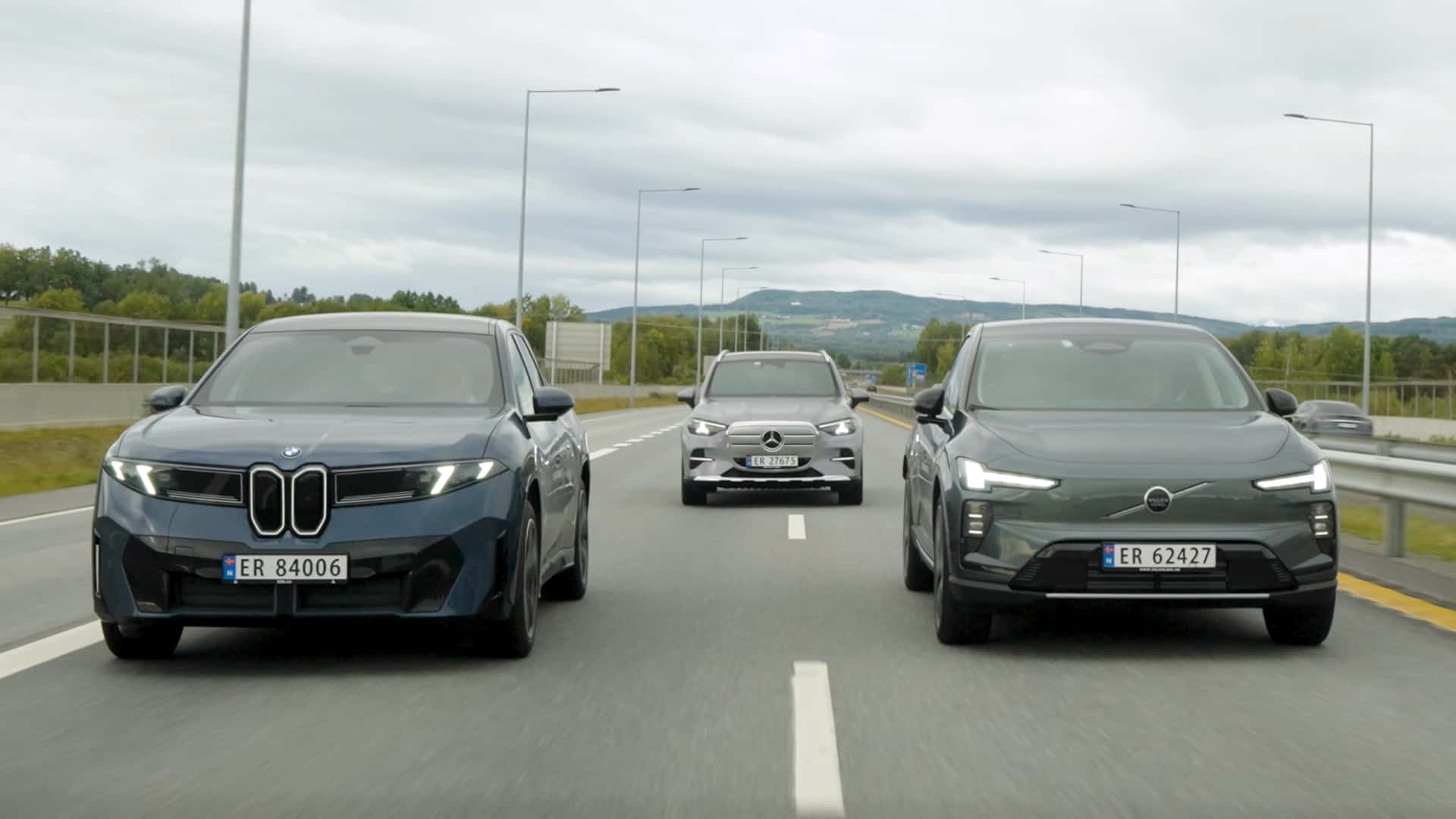
BMW iX3 Outperforms Mercedes GLC and Volvo EX60 in Highway Efficiency Test
In a recent highway test, the BMW iX3 demonstrated superior energy efficiency and range compared to…
1d ago
PHEV Batteries Show Resilience Despite Frequent Cycling
Plug-in hybrid electric vehicles (PHEVs) experience more frequent battery cycling than fully…
1d ago