
Decline in E-Bike Throttle Quality Noted by Long-Time Riders
Updated June 10, 2026
3 min read
1 linked source
Long-time e-bike riders have observed a decline in the quality of e-bike throttles over the years. This trend affects users who rely on throttles for a more controlled riding experience, raising concerns about performance and safety. The exact reasons behind this decline remain somewhat unclear, but it reflects a broader shift in e-bike design priorities.
Share this story
Why it matters
- ✓E-bike owners may experience reduced performance and control, impacting their overall riding experience.
- ✓The decline in throttle quality could lead to safety concerns, especially for riders who depend on precise throttle response.
- ✓Potential buyers might need to research specific models more thoroughly to ensure they choose e-bikes with reliable throttle systems.
Reporting notes
EV Signal briefs are written to explain the verified change first, then add the context EV buyers and owners need to understand cost, availability, charging access, eligibility, or ownership impact.
If details are still developing, we try to say what is confirmed, what comes from secondary reporting, and what readers should verify before acting.
Source mix
1 linked source
1 media
Reviewed from: Electrek.
Decline in E-Bike Throttle Quality Noted by Long-Time Riders
Long-time e-bike riders have reported a noticeable decline in the quality of e-bike throttles over the years. This change has raised concerns among users who rely on throttles for a more controlled riding experience, impacting both performance and safety.
What Changed
According to a recent article from Electrek, many riders who have been using e-bikes for a decade or more have observed that throttles, which were once more reliable and responsive, have become less effective. While not every e-bike throttle has deteriorated, the overall trend suggests a decline in quality that could affect the riding experience for many users.
Why It Matters for Buyers/Owners
The decline in throttle quality can significantly impact e-bike owners in several ways:
- Performance and Control: Riders who depend on throttles for acceleration and speed control may find their e-bikes less responsive, which can lead to a less enjoyable riding experience.
- Safety Concerns: A less reliable throttle can pose safety risks, particularly in situations requiring quick acceleration or deceleration. Riders may find themselves in precarious situations if their throttle does not respond as expected.
- Informed Purchasing Decisions: Potential buyers may need to conduct more thorough research on specific e-bike models to ensure they select one with a dependable throttle system, potentially complicating the buying process.
Key Details from Source Material
The article from Electrek emphasizes that while there have always been both good and bad e-bike throttles, the trend of declining quality is particularly evident to those who have been in the e-bike community for a long time. The reasons for this decline are not fully articulated, but it suggests a shift in design priorities among manufacturers, possibly favoring cost-cutting measures over performance enhancements.
What to Watch Next
As this situation develops, it will be important for riders and potential buyers to keep an eye on reviews and feedback regarding specific e-bike models and their throttle performance. Additionally, manufacturers may need to address these concerns to maintain customer satisfaction and safety in the growing e-bike market. Further insights from industry experts and user experiences will be crucial in understanding the full impact of this trend on e-bike ownership.
Sources
These are the documents and reports used to build this brief so readers can verify the story directly.
- The real reason why e-bike throttles have gotten worse — ElectrekMEDIA
Comments
Log in with
Loading comments…
More in Ownership
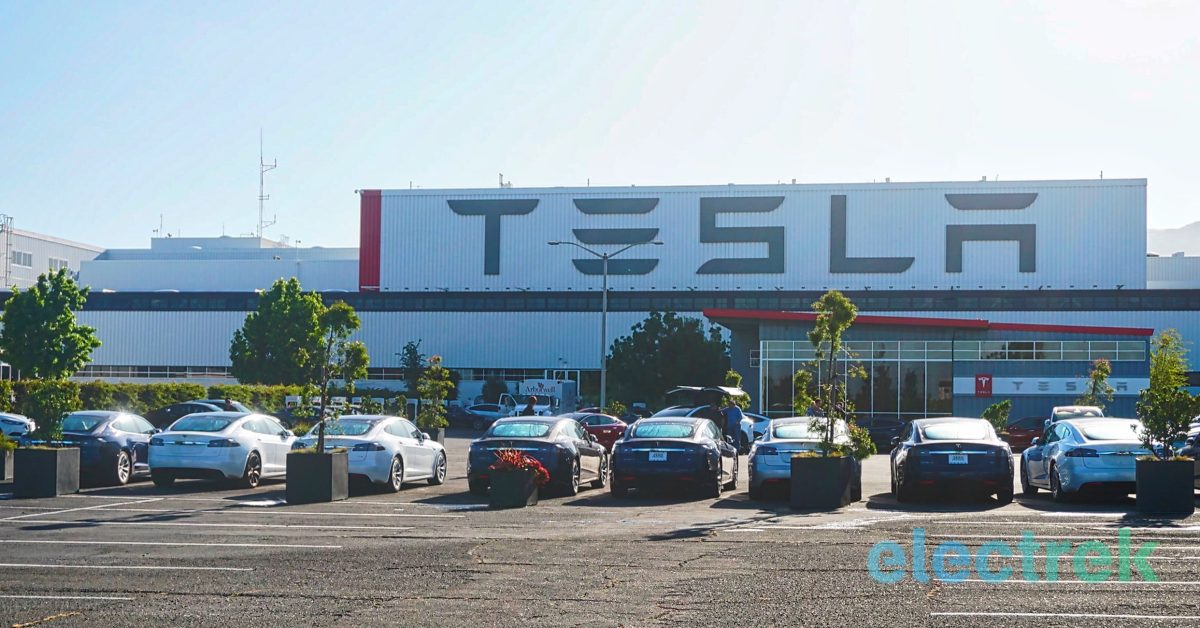
Tesla's Lawyers Misled Witness in Racism Trial
Tesla's ongoing racism trial in California has faced significant setbacks as it was revealed that a…
18h ago
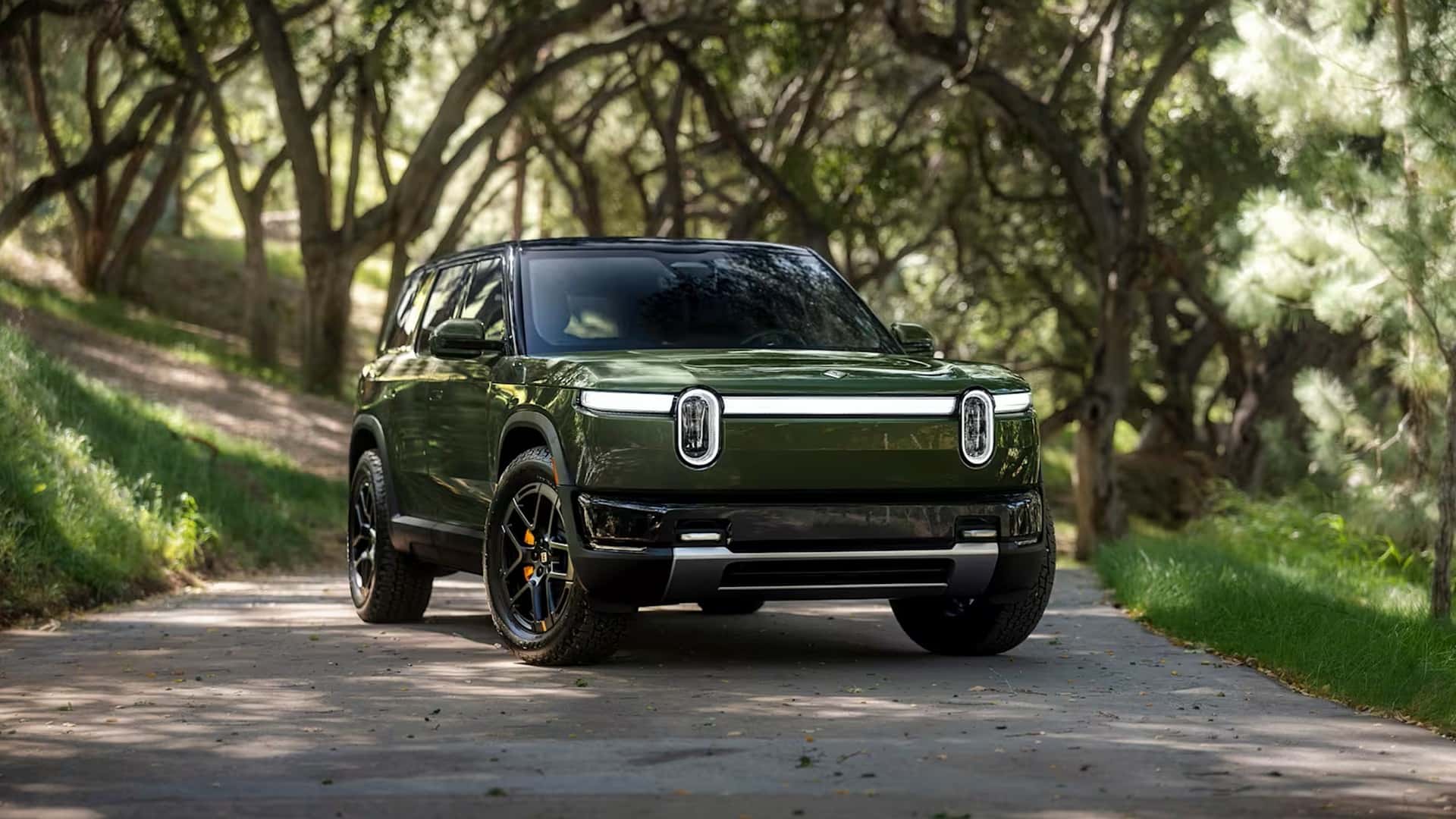
Rivian R2 Faces First Recall Due to Camera Issue
Rivian has issued a recall affecting nearly 99,000 vehicles, including some of its new R2 models,…
18h ago
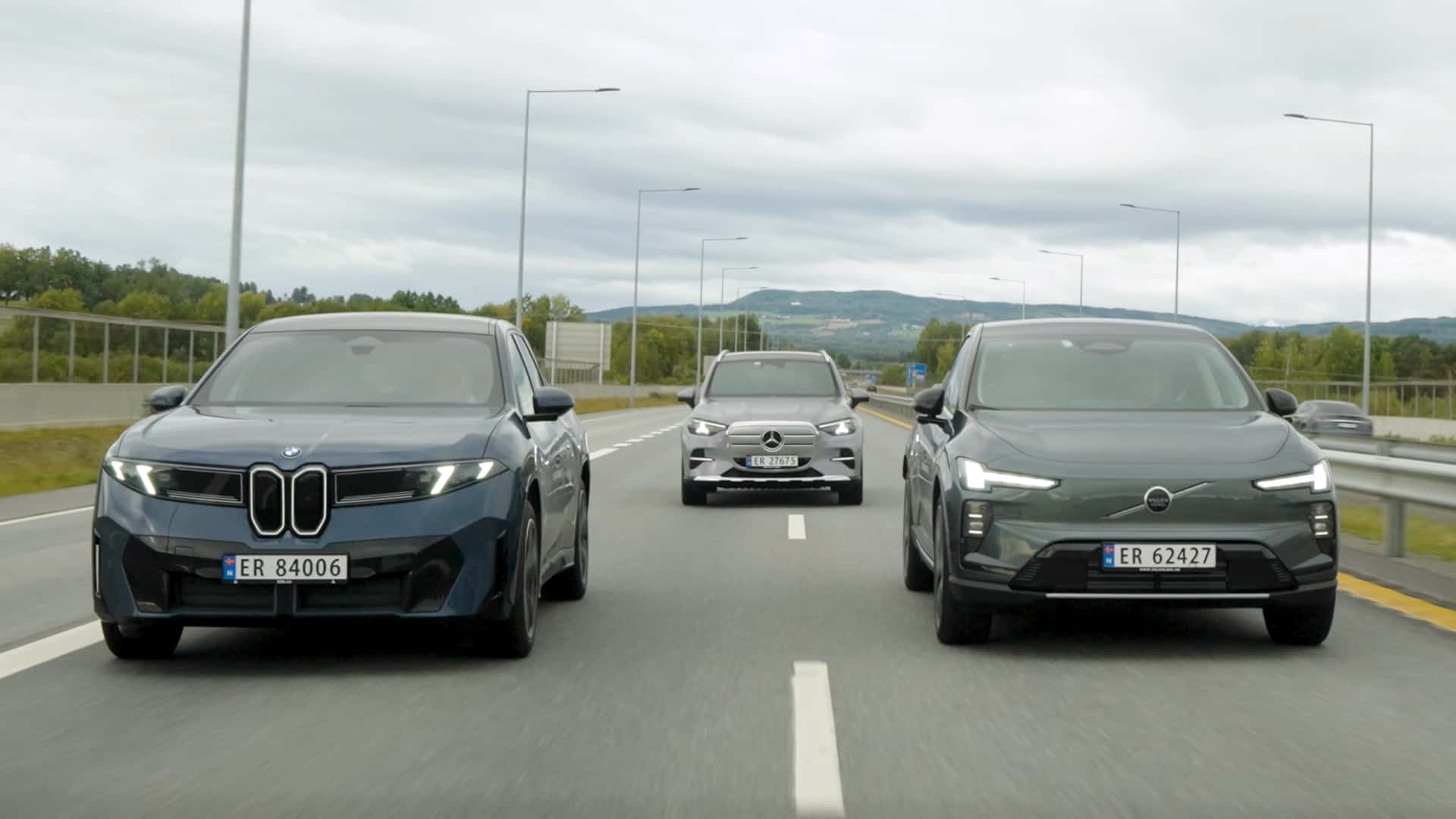
BMW iX3 Outperforms Mercedes GLC and Volvo EX60 in Highway Efficiency Test
In a recent highway test, the BMW iX3 demonstrated superior energy efficiency and range compared to…
1d ago
PHEV Batteries Show Resilience Despite Frequent Cycling
Plug-in hybrid electric vehicles (PHEVs) experience more frequent battery cycling than fully…
1d ago