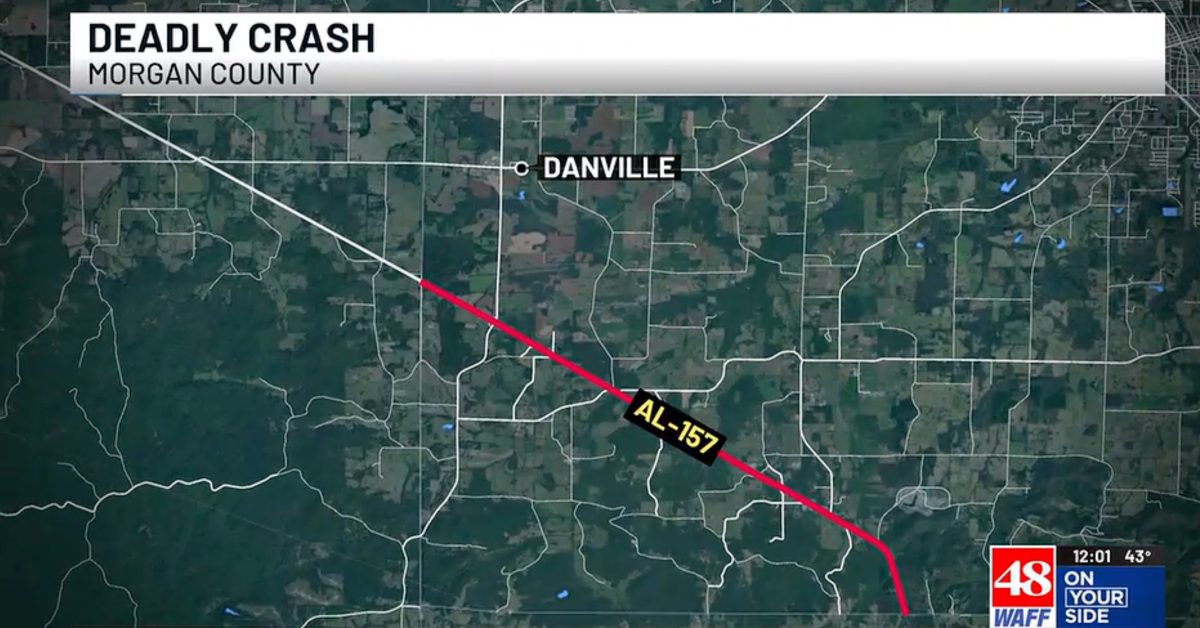
Data Reveals Autopilot/FSD Active During Fatal Tesla Crash in Alabama
Updated September 9, 2026
3 min read
1 linked source
Tesla's data confirms that the Autopilot and Full Self-Driving (FSD) systems were engaged during a crash in Alabama that resulted in the death of a 29-year-old mother. The incident, which involved a 2021 Tesla Model Y, also saw a passerby rescue the woman's 7-month-old daughter from the burning vehicle. This information comes from an ongoing investigation linking reported crashes to Tesla's NHTSA data.
Share this story
Why it matters
- ✓The confirmation of Autopilot/FSD engagement raises questions about the reliability and safety of Tesla's driver-assist systems.
- ✓Potential implications for insurance claims and liability in accidents involving Tesla vehicles.
- ✓Increased scrutiny on Tesla's technology may affect consumer confidence and future sales.
Reporting notes
EV Signal briefs are written to explain the verified change first, then add the context EV buyers and owners need to understand cost, availability, charging access, eligibility, or ownership impact.
If details are still developing, we try to say what is confirmed, what comes from secondary reporting, and what readers should verify before acting.
Source mix
1 linked source
1 media
Reviewed from: Electrek.
Data Confirms Autopilot/FSD Active During Fatal Tesla Crash
Recent data from Tesla has confirmed that the Autopilot and Full Self-Driving (FSD) systems were active during a tragic crash in Alabama that resulted in the death of a mother and the heroic rescue of her infant daughter. This incident has raised significant concerns regarding the safety and reliability of Tesla's driver-assist technologies.
What Changed
The crash occurred when a 2021 Tesla Model Y veered off an Alabama highway, struck two trees, and subsequently caught fire. The driver, 29-year-old Kayleigh Page, did not survive the incident. However, a passerby managed to pull her 7-month-old daughter from the burning vehicle. While local authorities initially reported the incident as a single-vehicle accident, Tesla's internal data indicates that the Autopilot and FSD systems were engaged at the time of the crash. This revelation comes from an ongoing investigation by Electrek, which is analyzing reported crashes in relation to Tesla's redacted data submitted to the National Highway Traffic Safety Administration (NHTSA).
Why It Matters for Buyers and Owners
The implications of this incident are significant for current and prospective Tesla owners:
- Safety Concerns: The confirmation that Autopilot/FSD was active during a fatal crash raises serious questions about the effectiveness and safety of these systems. Buyers may reconsider their purchase decisions based on these findings.
- Insurance and Liability: The engagement of driver-assist technology during the crash could complicate insurance claims and liability determinations, potentially leading to higher premiums for Tesla owners.
- Consumer Confidence: As investigations into the safety of Tesla's technologies continue, consumer confidence may wane, impacting sales and the overall perception of Tesla's brand.
Key Details from Source Material
According to Electrek, the crash was reported as a single-vehicle accident by local troopers. However, the engagement of Tesla's driver-assist systems was not disclosed in initial reports, suggesting a lack of awareness or acknowledgment of the technology's involvement in the incident. This discrepancy highlights the need for transparency regarding the performance and limitations of autonomous driving systems.
What to Watch Next
As investigations continue, it will be important to monitor how Tesla responds to this incident and any potential regulatory actions that may arise. Additionally, further analysis of Tesla's data regarding Autopilot and FSD engagement in other crashes may provide more context about the safety and reliability of these systems. Consumers should stay informed about developments in this area, as they could significantly impact the future of Tesla's driver-assist technologies and overall vehicle safety standards.
Sources
These are the documents and reports used to build this brief so readers can verify the story directly.
Comments
Log in with
Loading comments…
More in Software
Mercedes Partners with Wayve for Advanced Driver Assistance System
Mercedes-Benz has announced a collaboration with Wayve to develop a driver assistance system…
1d ago
Tesla Full Self-Driving Update Issues False Camera Alerts
Tesla's latest Full Self-Driving update, version 14.3.9, is erroneously alerting owners that their…
1d ago
Mercedes-Benz Partners with Wayve for AI Driver Integration in Future Vehicles
Mercedes-Benz has finalized a production agreement with Wayve, a British self-driving startup, to…
1d ago
Tesla Cybercab Faces Navigation Issues Similar to Existing Tesla Models
Tesla's new Cybercab robotaxis are reportedly experiencing navigation problems, taking unusual…
2d ago