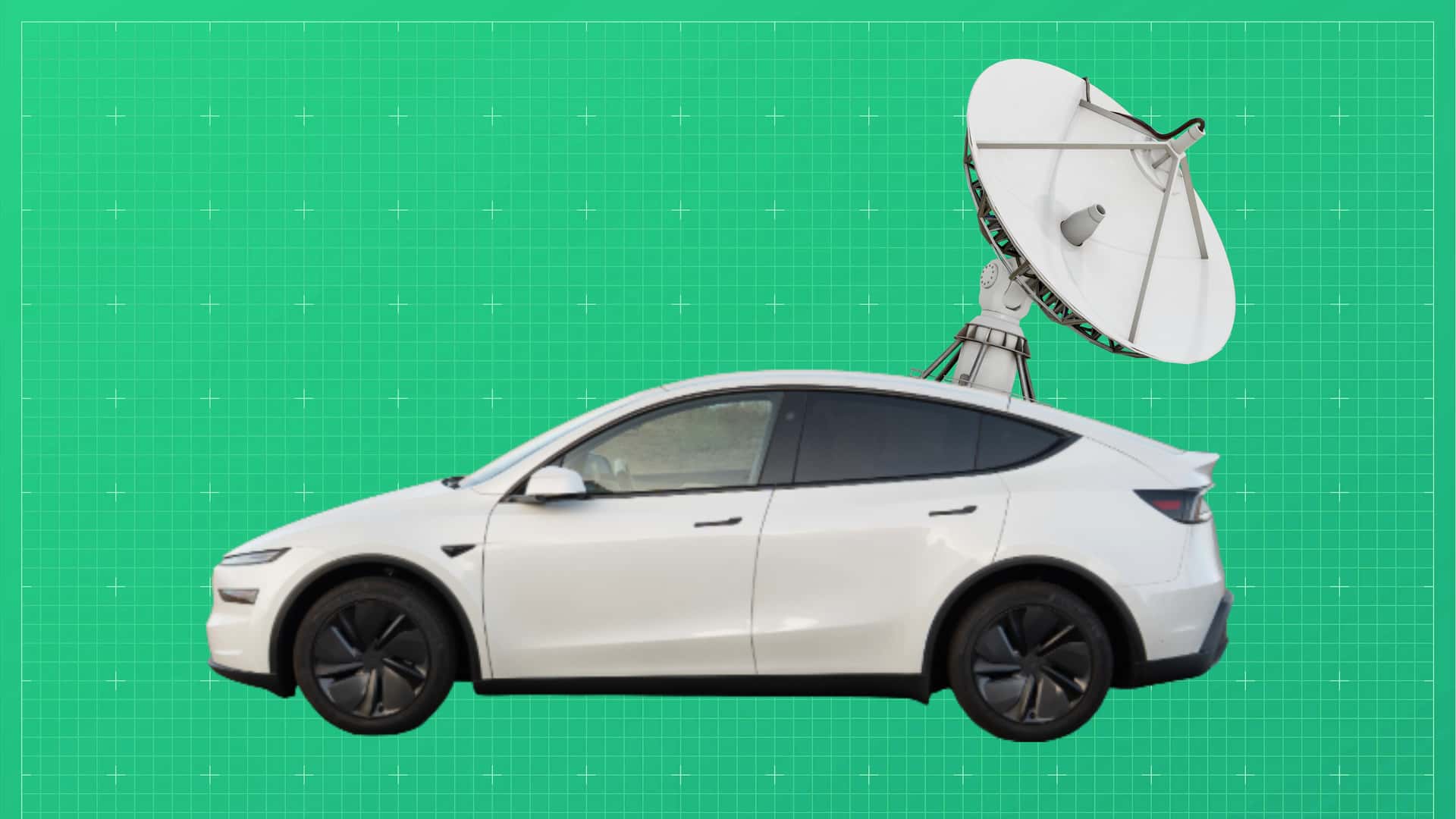
Connected Cars Share Extensive Data with Third-Party Companies

Edited by Ionna Brakeley
Charging & Ownership
Updated September 30, 2026
3 min read
1 linked source
A recent study revealed that 21 connected vehicles frequently share data with third-party advertising and analytics companies, often without owners' knowledge. This raises concerns about privacy and data ownership for electric vehicle (EV) buyers and owners. The extent of data sharing varies among manufacturers and models.
Share this story
Why it matters
- ✓EV owners may unknowingly compromise their privacy as personal data is shared with advertisers.
- ✓Understanding data sharing practices can influence buyer decisions and brand trust.
- ✓Potential implications for vehicle resale value if data privacy concerns affect consumer perception.
Connected Cars Share Extensive Data with Third-Party Companies
A recent study has found that connected vehicles are sharing a significant amount of data with third-party advertising and analytics companies, often without the owners' explicit consent or knowledge. This revelation raises important questions about privacy and data ownership in the rapidly evolving landscape of electric vehicles (EVs).
What Changed
The study, which examined 21 different connected vehicles, highlighted that these cars frequently communicate with various third-party entities. This communication is primarily aimed at collecting data for advertising and analytics purposes. While the exact nature of the data being shared varies by manufacturer and model, the findings suggest a widespread issue that could affect many EV owners.
Why It Matters for Buyers and Owners
- Privacy Concerns: EV owners may be unaware of how much personal data is being collected and shared, potentially compromising their privacy.
- Influence on Buying Decisions: Knowledge of data sharing practices can significantly impact consumer trust and brand loyalty, possibly affecting purchasing decisions.
- Resale Value Implications: If data privacy concerns become a significant issue, they could influence the resale value of connected vehicles, as buyers may be wary of models known for extensive data sharing.
Key Details from Source Material
According to the report from InsideEVs, the study's findings underscore a troubling trend in the automotive industry, particularly as vehicles become increasingly connected. The data shared can include location information, driving habits, and other personal details that owners may not realize are being transmitted. This information is often utilized by advertisers to target consumers more effectively, raising ethical questions about consent and transparency.
The extent of data sharing varies significantly among different manufacturers, with some being more transparent than others about their data practices. As consumers become more aware of these issues, it is likely that they will demand greater transparency and control over their personal information.
What to Watch Next
As the conversation around data privacy in connected vehicles evolves, it will be important for consumers to stay informed about the practices of different manufacturers. Future developments may include regulatory changes aimed at protecting consumer data, as well as shifts in consumer behavior that could influence how automakers approach data sharing. Additionally, manufacturers may need to enhance their privacy policies and communication strategies to maintain consumer trust in an increasingly data-driven market.
In conclusion, the findings of this study serve as a critical reminder for EV buyers and owners to be vigilant about their data privacy. Understanding how connected cars share information can empower consumers to make informed decisions about their vehicle purchases and ownership experiences.
Sources
These are the documents and reports used to build this brief so readers can verify the story directly.
Reporting notes
EV Signal briefs are written to explain the verified change first, then add the context EV buyers and owners need to understand cost, availability, charging access, eligibility, or ownership impact.
If details are still developing, we try to say what is confirmed, what comes from secondary reporting, and what readers should verify before acting.
Source mix
1 linked source
1 media
Reviewed from: InsideEVs.
Comments
Log in with
Loading comments…
More in Ownership

11-Year-Old Receives Ticket for Riding Electric Dirt Bike in Florida
An 11-year-old boy in Florida was issued a traffic citation and had his electric dirt bike towed…
2h ago
GM to Mass-Produce New Prismatic LMR Battery Cells
General Motors (GM) has announced its plans to become the first company to mass-produce prismatic…
2h ago

Rollback of Fuel Economy Standards Expected to Increase Vehicle Emissions and Cost Lives
The Trump administration has rolled back fuel economy standards, which is expected to lead to…
2h ago

Sierra Club Analysis Reveals U.S. Public Pensions Hold Billions in Fossil Fuel Bonds
A new analysis by the Sierra Club has found that 40 U.S. public pension funds hold significant…
2h ago