Congressman Questions DOT on Tesla's FSD Amid Sleeping Driver Videos
Updated September 10, 2026
3 min read
1 linked source
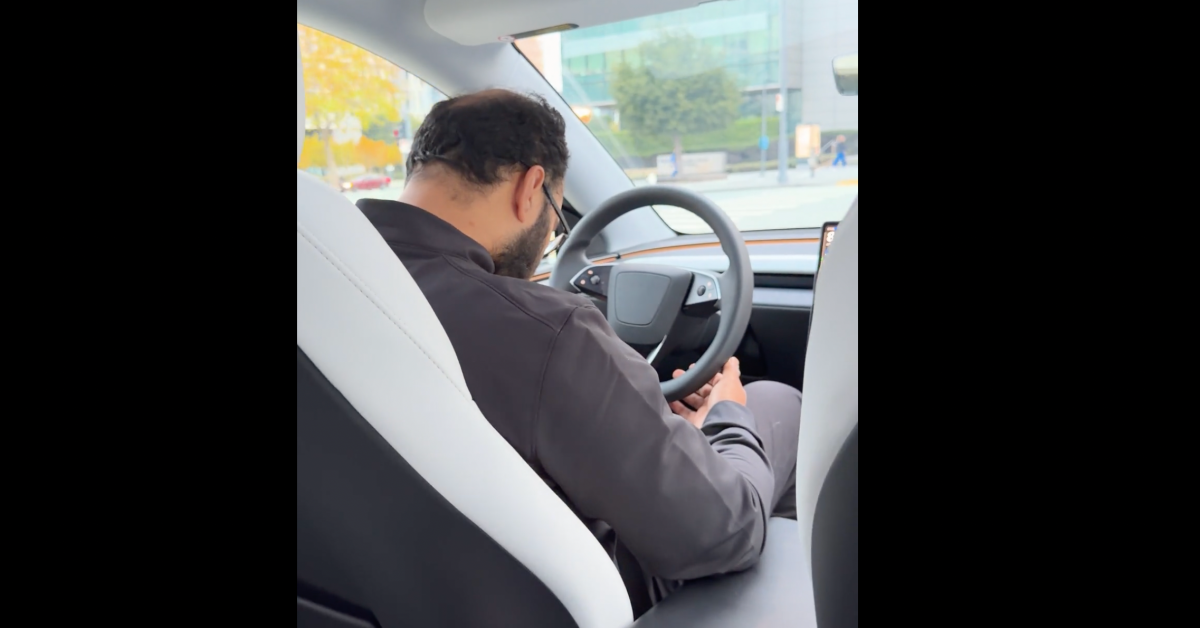
Rep. Raja Krishnamoorthi is pressing the Department of Transportation (DOT) for answers regarding Tesla's Autopilot and Full Self-Driving (FSD) systems after an NBC News investigation revealed 43 videos of drivers apparently asleep at the wheel. The congressman has given Transportation Secretary Sean Duffy until September 30 to respond to his inquiries about the safety and regulatory oversight of these systems, which Tesla states require active driver supervision.
Share this story
Why it matters
- ✓Increased scrutiny on Tesla's FSD could lead to regulatory changes affecting how the technology is marketed and used, impacting current and potential EV buyers.
- ✓If the DOT takes action, it may influence the availability and functionality of FSD features, which could affect ownership costs and day-to-day use for Tesla owners.
- ✓The investigation highlights safety concerns that may lead to more stringent regulations, potentially altering the landscape for autonomous driving technologies.
Reporting notes
EV Signal briefs are written to explain the verified change first, then add the context EV buyers and owners need to understand cost, availability, charging access, eligibility, or ownership impact.
If details are still developing, we try to say what is confirmed, what comes from secondary reporting, and what readers should verify before acting.
Source mix
1 linked source
1 media
Reviewed from: Electrek.
Congressman Presses DOT on Tesla's FSD Amid Sleeping Driver Videos
Rep. Raja Krishnamoorthi has formally requested the Department of Transportation (DOT) to clarify its stance on Tesla's Autopilot and Full Self-Driving (FSD) systems following an NBC News investigation that uncovered 43 videos showing drivers seemingly asleep at the wheel while using these technologies. The congressman has set a deadline of September 30 for Transportation Secretary Sean Duffy to respond to five specific questions regarding the safety and regulatory oversight of these systems.
What Changed
The recent NBC News investigation has raised significant concerns about the safety of Tesla's FSD and Autopilot features. The videos in question depict drivers who appear to be sleeping while their vehicles are in motion, prompting Rep. Krishnamoorthi to demand accountability from the DOT. Tesla has maintained that its FSD and Autopilot systems require "active driver supervision" and are not fully autonomous, which adds another layer of complexity to the ongoing debate about the safety and regulation of these technologies.
Why It Matters for Buyers and Owners
The scrutiny from Congress could lead to potential regulatory changes that may affect Tesla's marketing and implementation of its FSD technology. Here are a few key points on how this situation may impact EV buyers and owners:
- Regulatory Changes: Increased oversight could result in new regulations that might limit or alter the functionality of FSD features, affecting how current and future Tesla owners utilize their vehicles.
- Safety Concerns: The investigation highlights significant safety issues that could lead to a reevaluation of how Tesla's technology is perceived by consumers, potentially influencing purchasing decisions.
- Market Implications: If the DOT takes action based on these findings, it could affect the overall market for autonomous driving technologies, impacting competition and innovation in the EV space.
Key Details from Source Material
According to the report from Electrek, Rep. Krishnamoorthi's inquiry is focused on ensuring that the DOT is actively monitoring and regulating Tesla's FSD and Autopilot systems, especially in light of the alarming videos that have surfaced. The congressman has outlined five specific questions for Secretary Duffy, which likely pertain to safety protocols, regulatory compliance, and the effectiveness of current oversight mechanisms.
Tesla's position is that its systems are not fully autonomous and require driver engagement, which raises questions about the responsibility of drivers when using these technologies. The outcome of this inquiry could have far-reaching implications for Tesla and the broader EV market.
What to Watch Next
As the September 30 deadline approaches, it will be crucial to monitor the DOT's response to Rep. Krishnamoorthi's questions. Any new regulations or guidelines issued as a result of this inquiry could significantly impact Tesla's operations and the future of autonomous driving technologies. Additionally, further investigations or media coverage may emerge, shedding more light on the safety and efficacy of Tesla's FSD and Autopilot systems. Stay tuned for updates as this situation develops.
Sources
These are the documents and reports used to build this brief so readers can verify the story directly.
Comments
Log in with
Loading comments…
More in Software
Mercedes Partners with Wayve for Advanced Driver Assistance System
Mercedes-Benz has announced a collaboration with Wayve to develop a driver assistance system…
1d ago
Tesla Full Self-Driving Update Issues False Camera Alerts
Tesla's latest Full Self-Driving update, version 14.3.9, is erroneously alerting owners that their…
1d ago
Mercedes-Benz Partners with Wayve for AI Driver Integration in Future Vehicles
Mercedes-Benz has finalized a production agreement with Wayve, a British self-driving startup, to…
1d ago
Tesla Cybercab Faces Navigation Issues Similar to Existing Tesla Models
Tesla's new Cybercab robotaxis are reportedly experiencing navigation problems, taking unusual…
2d ago