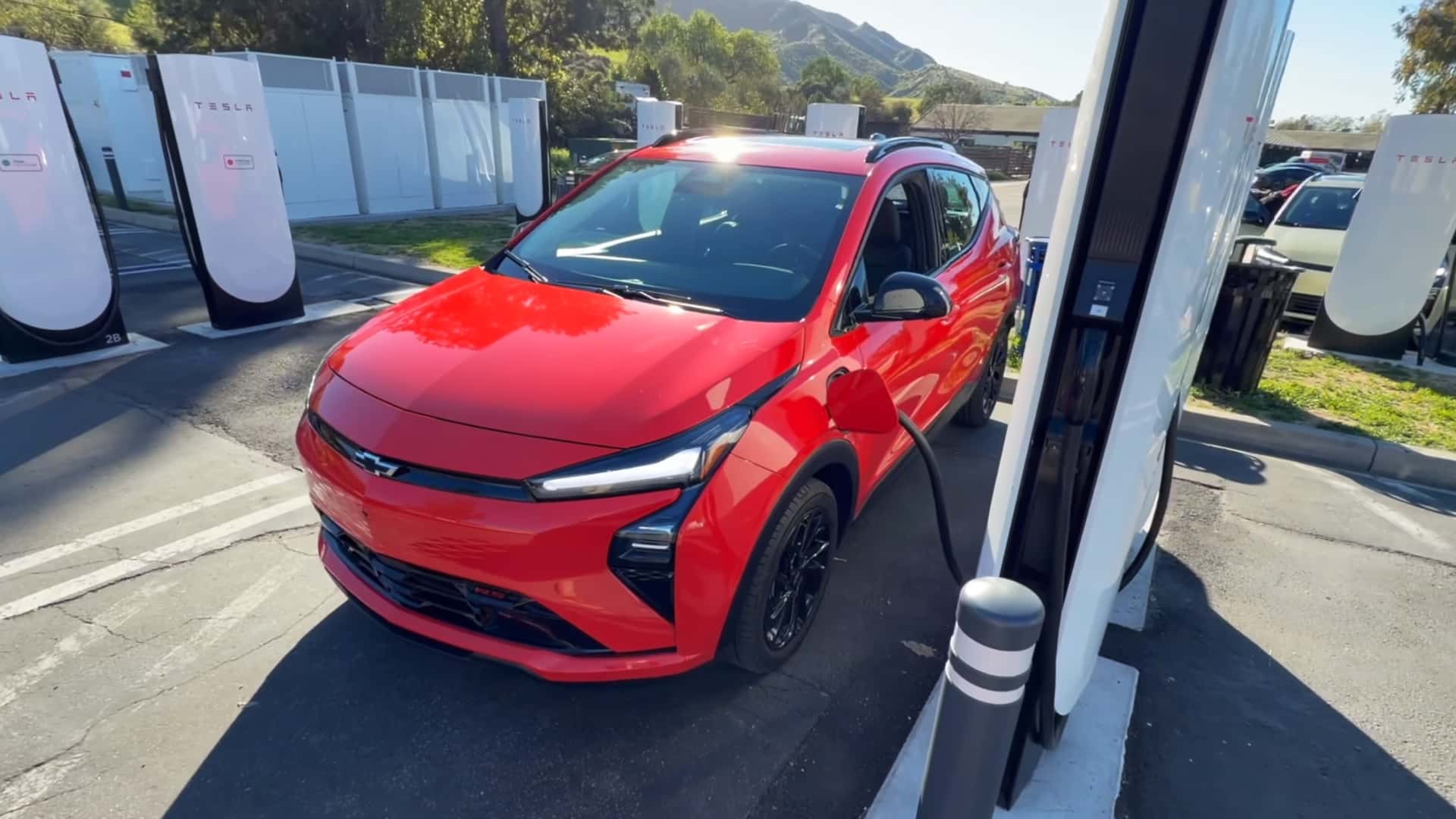
Congress Proposes $130 Annual Fee for Electric Vehicle Drivers
Updated May 19, 2026
3 min read
1 linked source
A new proposal from Congress aims to impose a $130 annual fee on electric vehicle (EV) drivers to help fund highway maintenance. This fee is intended to ensure that EV owners contribute to infrastructure costs, similar to gas taxes paid by traditional vehicle owners. The fairness of this fee is currently under debate, with opinions varying on its impact on EV adoption.
Share this story
Why it matters
- ✓The proposed fee could increase the overall cost of owning an EV, potentially affecting buyer decisions.
- ✓This fee may discourage some consumers from switching to electric vehicles, impacting the growth of the EV market.
- ✓The initiative highlights ongoing discussions about equitable funding for infrastructure as more drivers transition to electric vehicles.
Reporting notes
EV Signal briefs are written to explain the verified change first, then add the context EV buyers and owners need to understand cost, availability, charging access, eligibility, or ownership impact.
If details are still developing, we try to say what is confirmed, what comes from secondary reporting, and what readers should verify before acting.
Source mix
1 linked source
1 media
Reviewed from: InsideEVs.
Congress Proposes $130 Annual Fee for Electric Vehicle Drivers
Lawmakers in Congress have introduced a proposal that would require electric vehicle (EV) drivers to pay an annual fee of $130. This initiative is part of a broader effort to ensure that EV owners contribute their fair share towards the maintenance and funding of highways, similar to the gas taxes that traditional vehicle owners pay.
What Changed
The proposed fee is designed to address concerns about funding for infrastructure as the number of EVs on the road increases. Currently, gas taxes are a primary source of revenue for highway maintenance, but as more drivers switch to electric vehicles, the revenue from these taxes is expected to decline. The $130 fee aims to fill this gap and ensure that EV drivers contribute to the costs associated with road upkeep.
Why It Matters for Buyers and Owners
-
Increased Ownership Costs: The introduction of this fee could raise the total cost of owning an electric vehicle, which may deter potential buyers who are considering making the switch from traditional gasoline-powered cars.
-
Impact on EV Adoption: As the EV market continues to grow, this fee could influence consumer behavior, potentially slowing down the transition to electric vehicles if buyers perceive the costs as prohibitive.
-
Equity in Funding: The proposal highlights ongoing discussions about how to fairly fund infrastructure in an era of increasing EV adoption, raising questions about how to balance the needs of all drivers.
Key Details from Source Material
According to a report from InsideEVs, the proposal is part of a larger conversation among lawmakers about the future of transportation funding. The fee is intended to ensure that EV drivers are paying their fair share, but there is ongoing debate about whether $130 is a reasonable amount. Critics argue that this fee could be seen as a deterrent to EV adoption, which is contrary to broader environmental goals.
Furthermore, the proposal has not yet been finalized, and discussions are still ongoing regarding the specifics of how the fee would be implemented and enforced. As such, the final outcome may differ from the current proposal.
What to Watch Next
As this proposal progresses through Congress, it will be important to monitor any changes to the fee amount or the overall structure of the legislation. Stakeholders, including EV manufacturers and environmental groups, may weigh in on the discussions, potentially influencing the final decision. Additionally, keep an eye on public sentiment regarding the fairness of the fee and its impact on EV adoption rates as more details emerge.
Sources
These are the documents and reports used to build this brief so readers can verify the story directly.
- Congress Wants You To Pay $130 A Year Just To Drive An Electric Car — InsideEVsMEDIA
Comments
Log in with
Loading comments…
More in Ownership
Tesla's Lawyers Misled Witness in Racism Trial
Tesla's ongoing racism trial in California has faced significant setbacks as it was revealed that a…
18h ago
Rivian R2 Faces First Recall Due to Camera Issue
Rivian has issued a recall affecting nearly 99,000 vehicles, including some of its new R2 models,…
18h ago
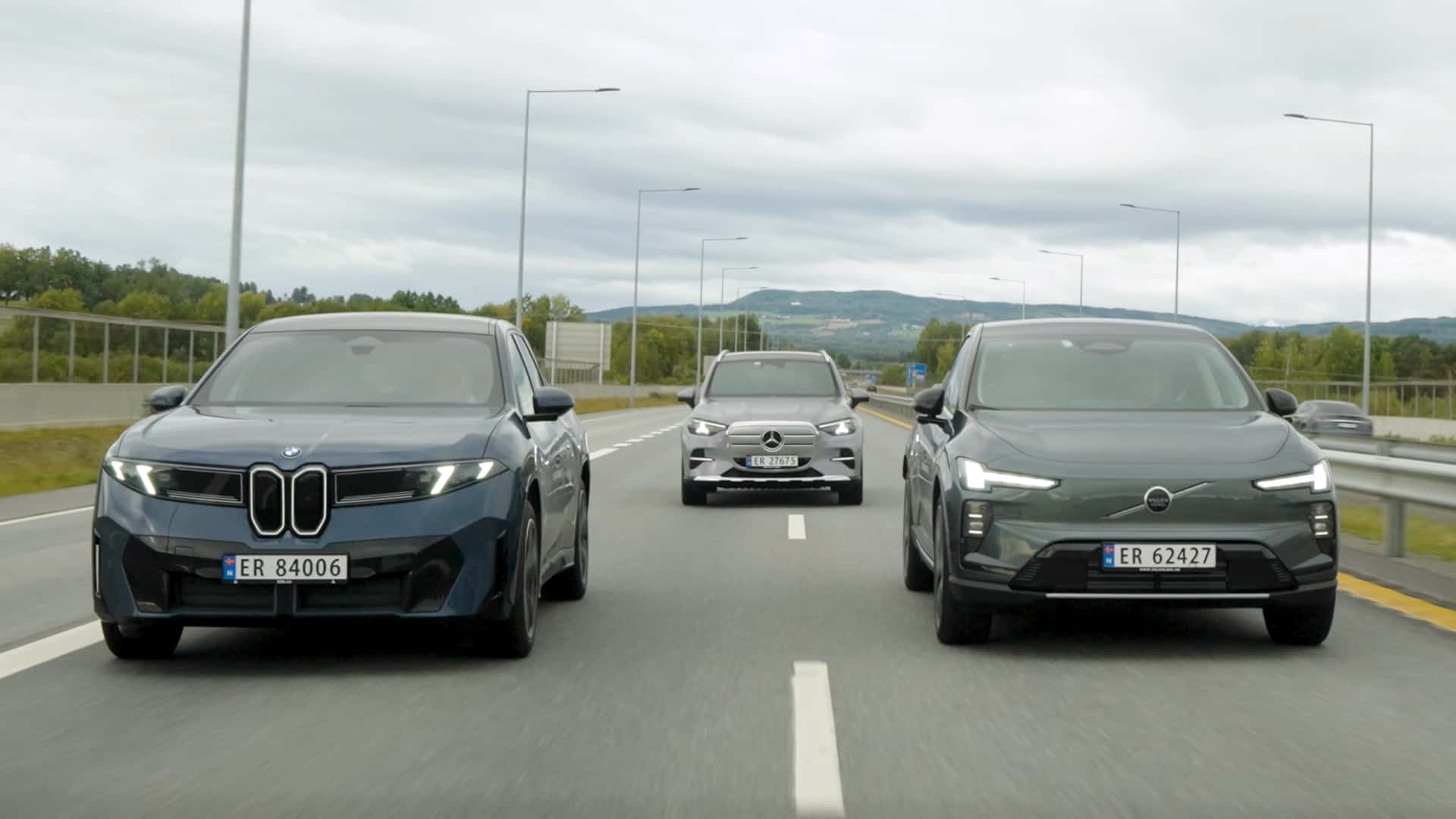
BMW iX3 Outperforms Mercedes GLC and Volvo EX60 in Highway Efficiency Test
In a recent highway test, the BMW iX3 demonstrated superior energy efficiency and range compared to…
1d ago
PHEV Batteries Show Resilience Despite Frequent Cycling
Plug-in hybrid electric vehicles (PHEVs) experience more frequent battery cycling than fully…
1d ago