
Chinese Sodium-Ion Battery Matches Tesla in Build Quality, Teardown Reveals
Updated June 22, 2026
3 min read
1 linked source
A recent teardown study has found that a commercial sodium-ion battery from Chinese manufacturer Hina exhibits manufacturing quality and internal design comparable to Tesla's lithium-ion cells. Conducted by researchers at RWTH Aachen University, the analysis showed a minimal cell-to-cell resistance variation of just 5.3% across 120 cells, indicating high production consistency. This development may impact the EV market, particularly in terms of battery technology diversification.
Share this story
Why it matters
- ✓Increased competition in battery technology could lead to lower costs for EV buyers.
- ✓Sodium-ion batteries may offer a more sustainable alternative to lithium-ion, potentially affecting long-term ownership costs.
- ✓Improved manufacturing quality could enhance the reliability and performance of future EV models using sodium-ion technology.
Reporting notes
EV Signal briefs are written to explain the verified change first, then add the context EV buyers and owners need to understand cost, availability, charging access, eligibility, or ownership impact.
If details are still developing, we try to say what is confirmed, what comes from secondary reporting, and what readers should verify before acting.
Source mix
1 linked source
1 media
Reviewed from: Electrek.
Chinese Sodium-Ion Battery Matches Tesla in Build Quality
A recent teardown study published in the journal Cell Reports Physical Science has revealed that a commercial sodium-ion battery from Chinese manufacturer Hina matches the manufacturing quality and internal design of Tesla's lithium-ion cells. This finding is significant as it highlights the advancements in sodium-ion battery technology, which could have implications for the electric vehicle (EV) market.
What Changed?
The independent teardown conducted by researchers at RWTH Aachen University assessed the performance of 120 sodium-ion cells from Hina. The study found that the cell-to-cell resistance varied by only 5.3%, a figure that suggests a high level of precision in mass production. This level of consistency is comparable to the best lithium-ion cells currently available, which is a notable achievement for sodium-ion technology.
Why It Matters for Buyers/Owners
The implications of this development are multifaceted for current and prospective EV buyers and owners:
- Cost Competitiveness: As sodium-ion batteries become more prevalent, they could drive down the overall costs of EVs, making electric vehicles more accessible to a broader audience.
- Sustainability: Sodium-ion batteries are considered a more sustainable option compared to lithium-ion batteries, which rely on scarce materials. This shift could lead to lower long-term ownership costs and a reduced environmental impact.
- Reliability and Performance: The high manufacturing quality of Hina's sodium-ion batteries suggests that future EV models utilizing this technology may offer improved reliability and performance, enhancing the overall ownership experience.
Key Details from Source Material
The teardown study, conducted by RWTH Aachen University, is a significant step in validating the potential of sodium-ion batteries. The researchers emphasized that the minimal variation in cell resistance indicates a tightly controlled manufacturing process that rivals that of established lithium-ion cells. This finding is crucial as it suggests that sodium-ion technology could soon be a viable alternative in the EV market, potentially leading to a diversification of battery options for consumers.
What to Watch Next
As the EV market continues to evolve, it will be important to monitor the following developments:
- Commercial Availability: Keep an eye on when sodium-ion batteries will be commercially available in new EV models and how manufacturers plan to integrate this technology.
- Performance Comparisons: Future studies comparing the performance of sodium-ion batteries against lithium-ion counterparts in real-world conditions will be essential to assess their viability.
- Market Response: Watch how established EV manufacturers, including Tesla, respond to the emergence of sodium-ion technology and whether they will adapt their strategies accordingly.
In conclusion, the findings from the teardown study represent a promising advancement in battery technology, potentially reshaping the landscape of the EV market. As sodium-ion batteries gain traction, they may offer a more sustainable and cost-effective solution for electric vehicle users.
Sources
These are the documents and reports used to build this brief so readers can verify the story directly.
Comments
Log in with
Loading comments…
More in Ownership
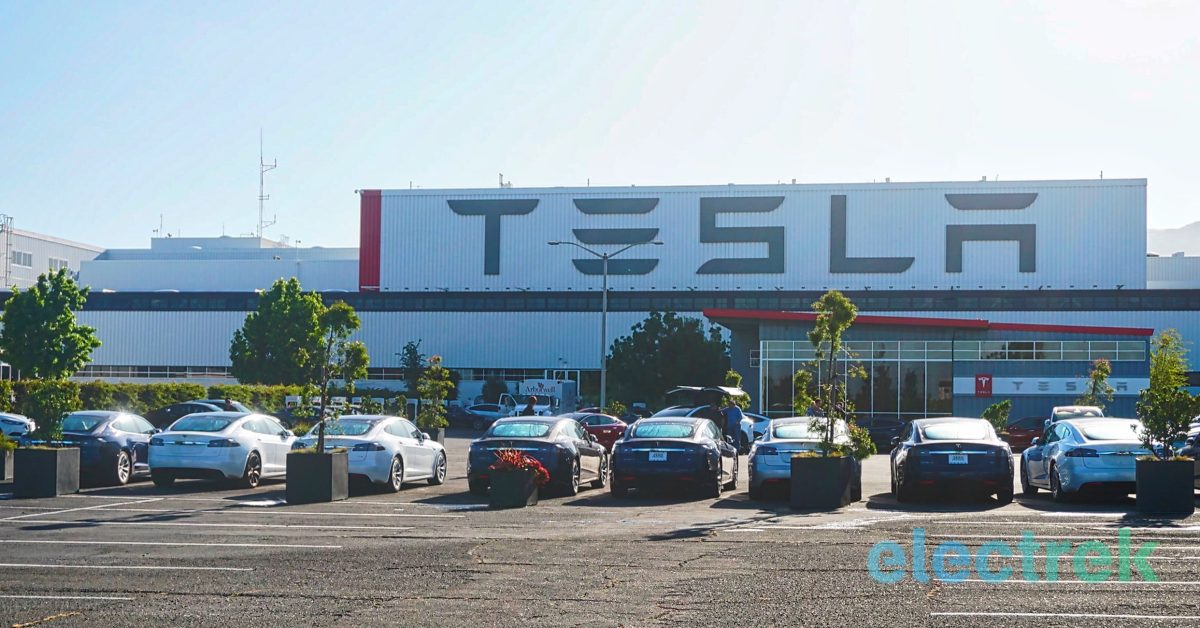
Tesla's Lawyers Misled Witness in Racism Trial
Tesla's ongoing racism trial in California has faced significant setbacks as it was revealed that a…
18h ago
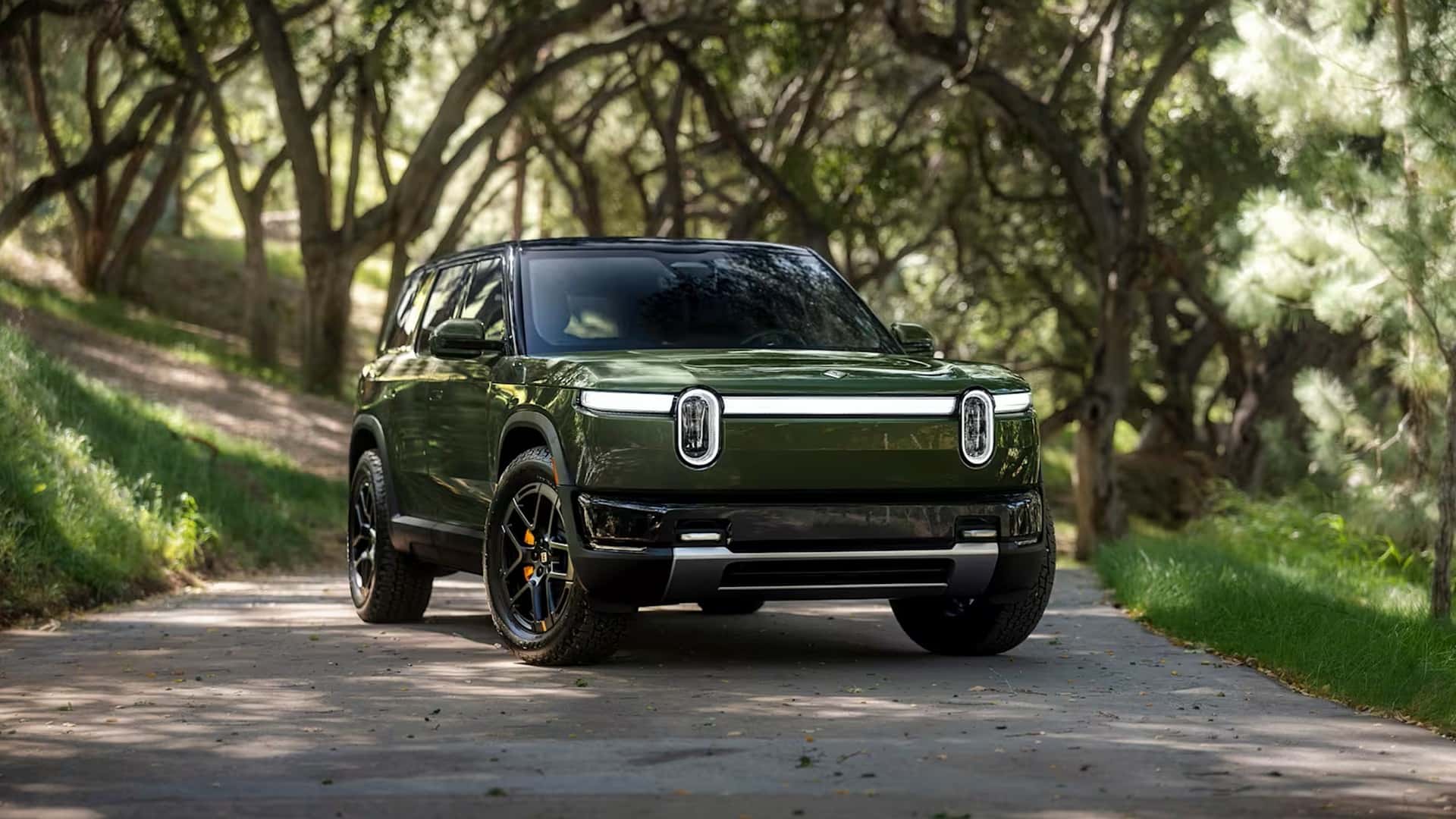
Rivian R2 Faces First Recall Due to Camera Issue
Rivian has issued a recall affecting nearly 99,000 vehicles, including some of its new R2 models,…
18h ago
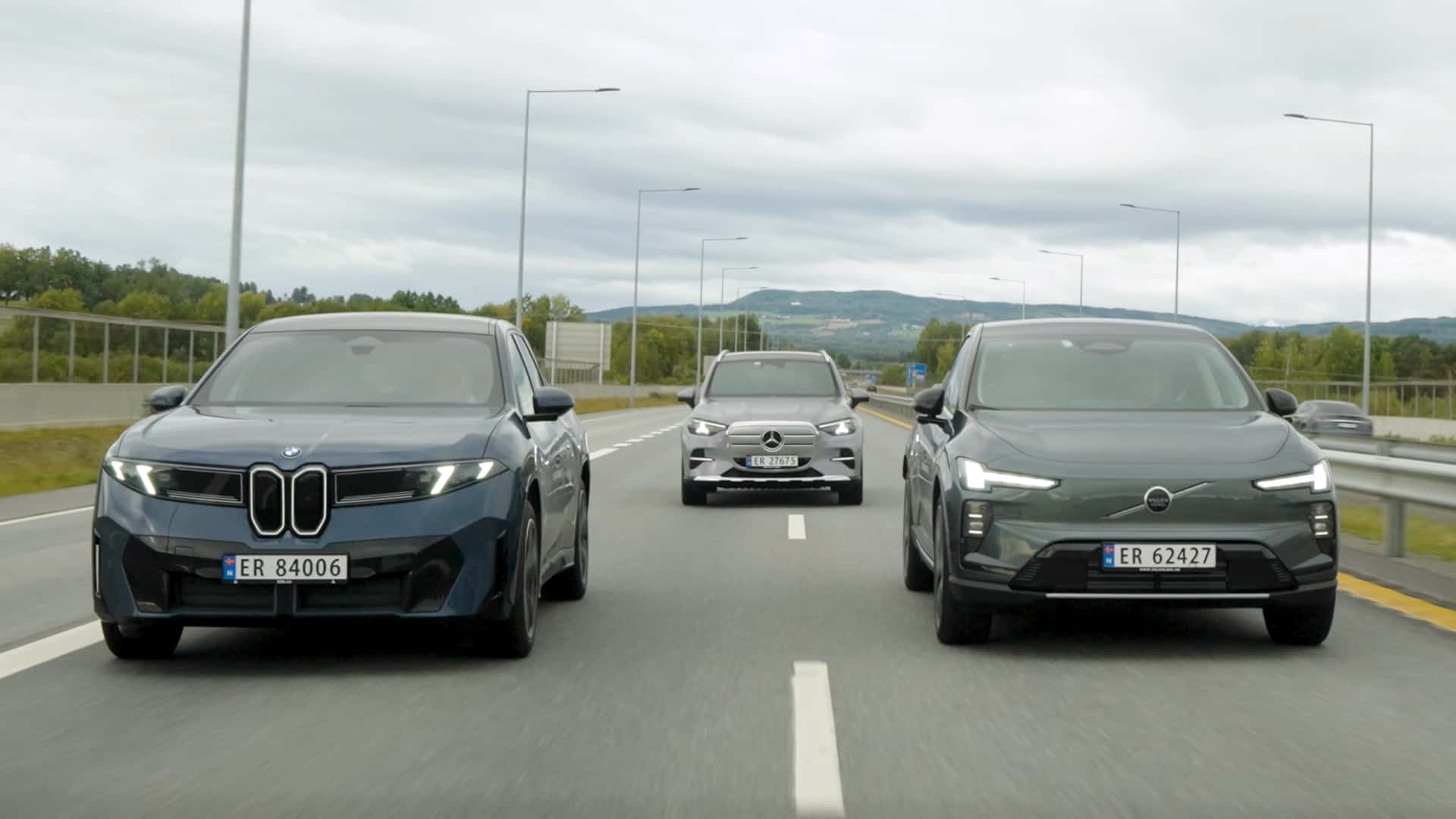
BMW iX3 Outperforms Mercedes GLC and Volvo EX60 in Highway Efficiency Test
In a recent highway test, the BMW iX3 demonstrated superior energy efficiency and range compared to…
1d ago
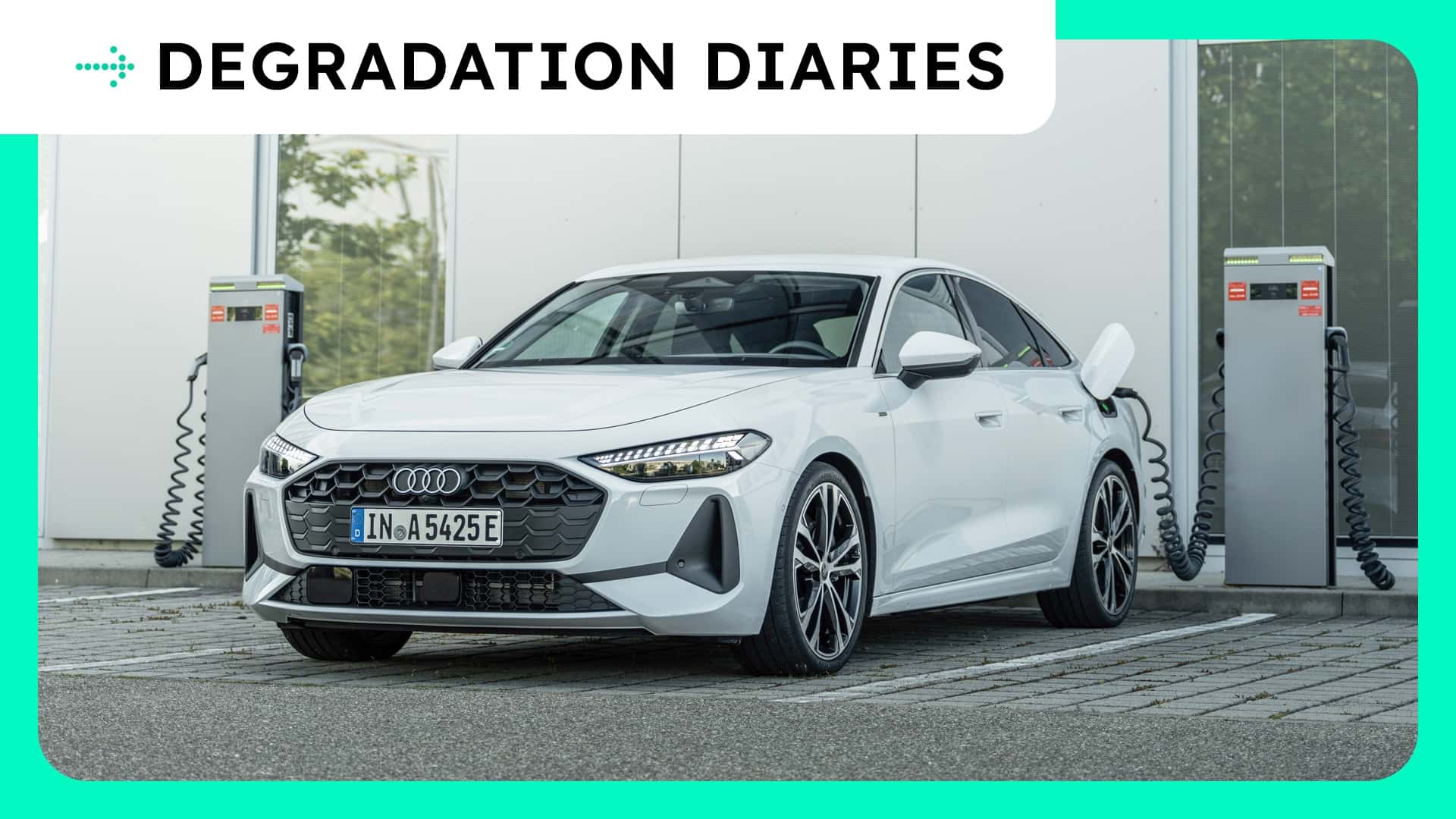
PHEV Batteries Show Resilience Despite Frequent Cycling
Plug-in hybrid electric vehicles (PHEVs) experience more frequent battery cycling than fully…
1d ago