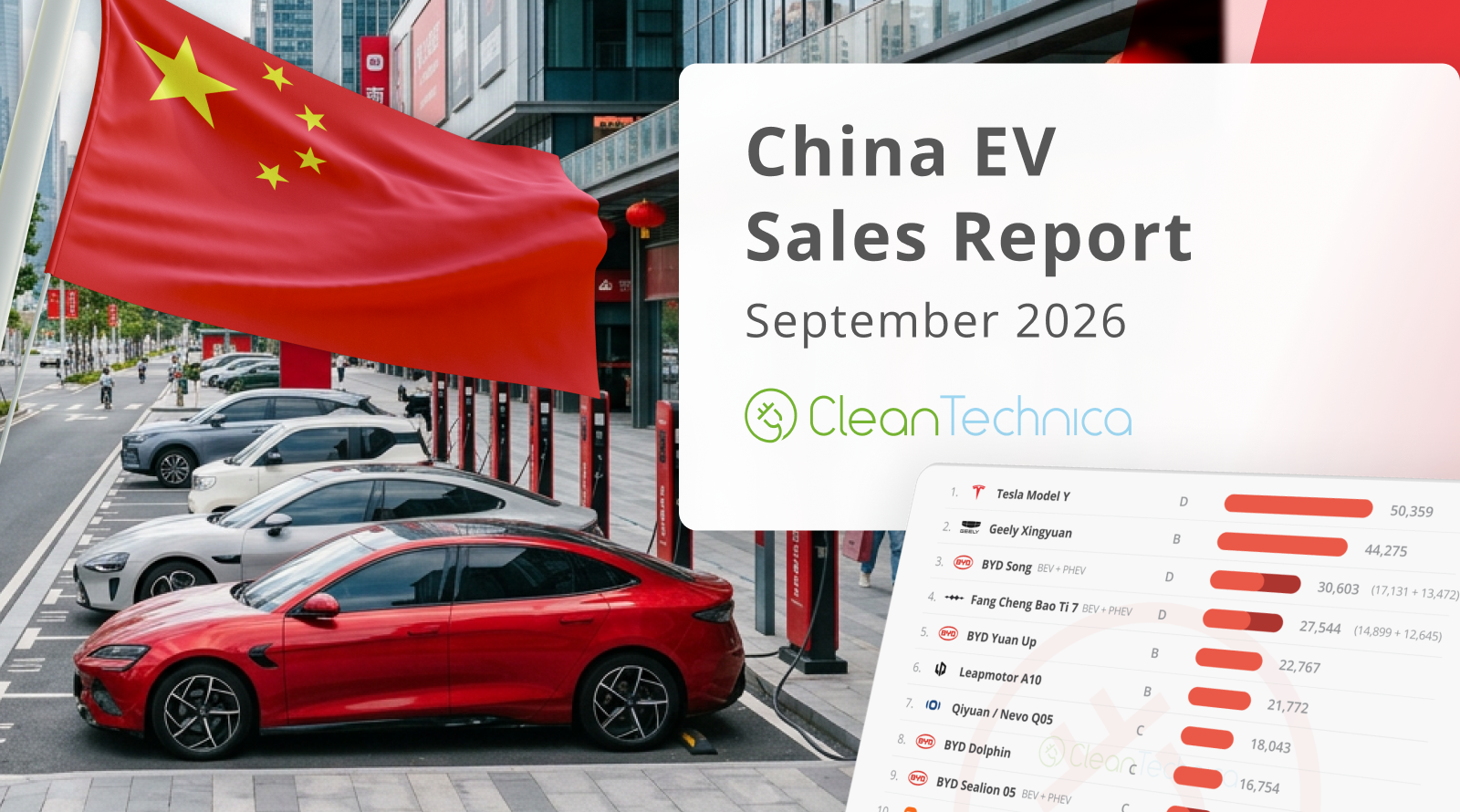
China's ICE Vehicle Sales Plummet 49% as EV Market Share Reaches 67% in September

Edited by Volta Kessrin
Models, Pricing & Buying
Updated October 18, 2026
3 min read
1 linked source
In September, internal combustion engine (ICE) vehicle sales in China fell by 49%, while electric vehicle (EV) market share surged to a record 67%. This shift is largely attributed to high gas prices and an influx of new battery electric vehicles (BEVs). The significant decline in ICE sales indicates a transformative moment in the automotive market, but the long-term implications for consumers remain to be seen.
Share this story
Why it matters
- ✓The sharp decline in ICE vehicle sales may lead to lower prices and increased incentives for EV buyers as manufacturers adjust to market demand.
- ✓With EVs now making up a larger portion of the market, buyers may find more options and better availability of electric models.
- ✓High gas prices could further incentivize consumers to consider EVs, potentially reducing overall ownership costs.
Overview of the Market Shift
In a significant shift within the automotive industry, internal combustion engine (ICE) vehicle sales in China experienced a staggering 49% decline in September 2023. Concurrently, electric vehicles (EVs) captured a remarkable 67% of the market share, marking a new record for EV adoption in the country. This change is primarily driven by high gas prices and a continuous influx of new battery electric vehicles (BEVs) entering the market.
What Changed?
The latest sales data reveals a dramatic drop in ICE vehicle sales, which have been a staple of the automotive market for decades. The 49% decrease indicates a substantial change in consumer preferences, with many opting for electric alternatives. The 67% market share for EVs is a notable achievement, reflecting both the growing acceptance of electric mobility and the challenges faced by traditional gasoline-powered vehicles.
Why It Matters for Buyers and Owners
This shift in the market has several implications for current and prospective EV buyers and owners:
- Price Adjustments: As ICE vehicle sales decline, manufacturers may respond by offering more competitive pricing and incentives for EVs to attract buyers. This could lead to better deals for consumers looking to purchase electric vehicles.
- Increased Availability: With the growing demand for EVs, buyers can expect a wider range of electric models to choose from. This increase in availability can help meet diverse consumer needs and preferences.
- Cost of Ownership: High gas prices are likely to push more consumers towards EVs, which typically offer lower operating costs. This trend could lead to a broader acceptance of electric vehicles as a financially viable option for everyday use.
Key Details from the Source Material
According to CleanTechnica, the record EV market share achieved in September was not solely due to strong sales of electric vehicles but was significantly influenced by the drastic reduction in ICE vehicle sales. The combination of high fuel prices and a steady stream of new BEV models has created a favorable environment for electric vehicle adoption. This trend suggests a potential long-term shift in consumer behavior towards more sustainable transportation options.
What to Watch Next
As the automotive market continues to evolve, it will be important to monitor several factors:
- Future Sales Trends: Observing how ICE vehicle sales respond in the coming months will provide insight into whether this trend is a temporary shift or a permanent change in consumer preferences.
- Government Policies: Any new regulations or incentives aimed at promoting EV adoption could further influence market dynamics and consumer choices.
- Charging Infrastructure: The expansion of charging networks will be crucial in supporting the growing number of EVs on the road, impacting the overall ownership experience.
In conclusion, the significant decline in ICE vehicle sales alongside the rise in EV market share marks a pivotal moment in the automotive industry. As consumers increasingly turn to electric vehicles, the landscape of car ownership is set to change, offering new opportunities and challenges for buyers and owners alike.
Sources
These are the documents and reports used to build this brief so readers can verify the story directly.
Reporting notes
EV Signal briefs are written to explain the verified change first, then add the context EV buyers and owners need to understand cost, availability, charging access, eligibility, or ownership impact.
If details are still developing, we try to say what is confirmed, what comes from secondary reporting, and what readers should verify before acting.
Source mix
1 linked source
1 media
Reviewed from: CleanTechnica.
Newsletter
Weekly EV signal. No spam.
Comments
Log in with
Loading comments…
More in Buying
Best Electric Bikes for Every Budget in October 2026
Electrek has released a comprehensive guide detailing the best electric bikes available for various…
8h ago
Canadian EV Buyers Prefer Chinese Models Over Western Options
A recent survey indicates that Canadian electric vehicle (EV) customers are postponing their…
1d ago
US EV Sales Experience Notable Recovery
US electric vehicle (EV) sales are on the rise again, signaling a positive trend for the market.…
1d ago
Tesla Cannot Guarantee Delivery of Roadster Pre-Orders
Tesla's pre-order agreement for the upcoming Roadster states that the company cannot guarantee if…
1d ago