
China Tests Sodium Batteries in Heavy-Duty Trucks
Updated June 21, 2026
3 min read
1 linked source
Chinese truck manufacturer FAW Jiefang is currently testing sodium batteries in heavy-duty trucks to evaluate their practicality for commercial use. Sodium batteries, made from more abundant and less expensive materials than lithium-ion batteries, could potentially lead to more affordable electric vehicles. However, it remains uncertain whether these batteries can meet the performance demands of commercial trucking.
Share this story
Why it matters
- ✓If successful, sodium batteries could lower the cost of electric trucks, making them more accessible to fleet operators.
- ✓The use of more abundant materials may improve the sustainability of electric vehicle production.
- ✓Performance and reliability of sodium batteries in heavy-duty applications are still unproven, which could affect their adoption.
Reporting notes
EV Signal briefs are written to explain the verified change first, then add the context EV buyers and owners need to understand cost, availability, charging access, eligibility, or ownership impact.
If details are still developing, we try to say what is confirmed, what comes from secondary reporting, and what readers should verify before acting.
Source mix
1 linked source
1 media
Reviewed from: Electrek.
Introduction
Chinese truck manufacturer FAW Jiefang is exploring the use of sodium batteries in heavy-duty trucks, a move that could significantly impact the commercial electric vehicle market. Sodium batteries are touted for their potential to be more affordable and made from more abundant materials compared to traditional lithium-ion batteries. However, the practicality of these batteries in the demanding environment of commercial trucking is still under investigation.
What Changed
FAW Jiefang has initiated tests of sodium batteries in their heavy-duty trucks. This development comes as part of a broader effort to enhance the sustainability and affordability of electric vehicles (EVs). Sodium batteries could offer a promising alternative to lithium-ion batteries, which are currently the standard in the EV industry. The tests aim to determine whether sodium batteries can meet the performance and reliability requirements necessary for commercial trucking operations.
Why It Matters for Buyers and Owners
The implications of successful sodium battery integration into heavy-duty trucks could be substantial for buyers and owners:
- Cost Reduction: If sodium batteries prove viable, they could lower the overall cost of electric trucks, making them more attractive to fleet operators and potentially reducing the cost of goods transported by electric vehicles.
- Sustainability: Sodium batteries are made from materials that are more abundant and less expensive than those used in lithium-ion batteries, which could lead to a more sustainable production process for electric vehicles.
- Performance Uncertainty: While the potential benefits are significant, the performance and reliability of sodium batteries in heavy-duty applications are still unproven. This uncertainty may affect fleet operators' willingness to adopt this technology until more data is available.
Key Details from Source Material
According to Electrek, sodium batteries promise to be more abundant and affordable, which could lead to a new era of electric vehicles that are accessible to a broader audience. However, the article emphasizes that the practicality of these batteries in commercial trucks is still being tested by FAW Jiefang. The outcome of these tests will be crucial in determining whether sodium batteries can effectively replace or complement existing lithium-ion technology in heavy-duty applications.
What to Watch Next
As FAW Jiefang continues its testing, it will be essential to monitor the results and any announcements regarding the performance of sodium batteries in heavy-duty trucks. Key areas to watch include:
- Performance Metrics: Look for updates on how sodium batteries perform in terms of range, charging speed, and durability under heavy loads.
- Commercial Adoption: Keep an eye on how quickly other manufacturers may follow suit if FAW Jiefang's tests yield positive results.
- Market Impact: Observe how the introduction of sodium batteries could influence the pricing and availability of electric trucks in the market.
In conclusion, while the testing of sodium batteries by FAW Jiefang represents a promising step towards more affordable and sustainable electric trucks, the outcome remains uncertain. The EV community will be watching closely as these developments unfold.
Sources
These are the documents and reports used to build this brief so readers can verify the story directly.
Comments
Log in with
Loading comments…
More in Models & Pricing
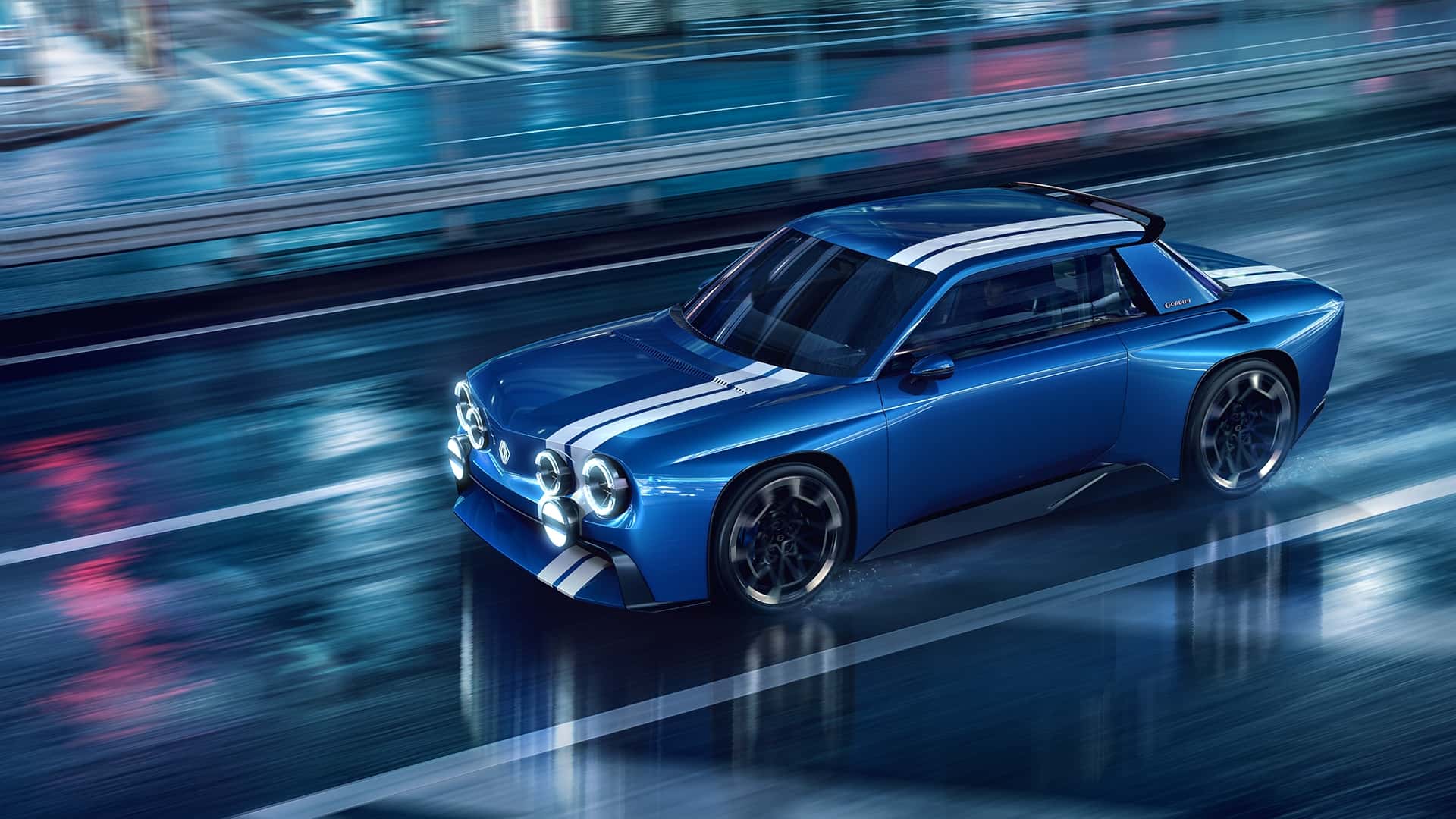
Renault 8 Gordini Returns as Rear-Wheel Drive EV
Renault has unveiled the return of the iconic Renault 8 Gordini as a rear-wheel drive electric…
Just now
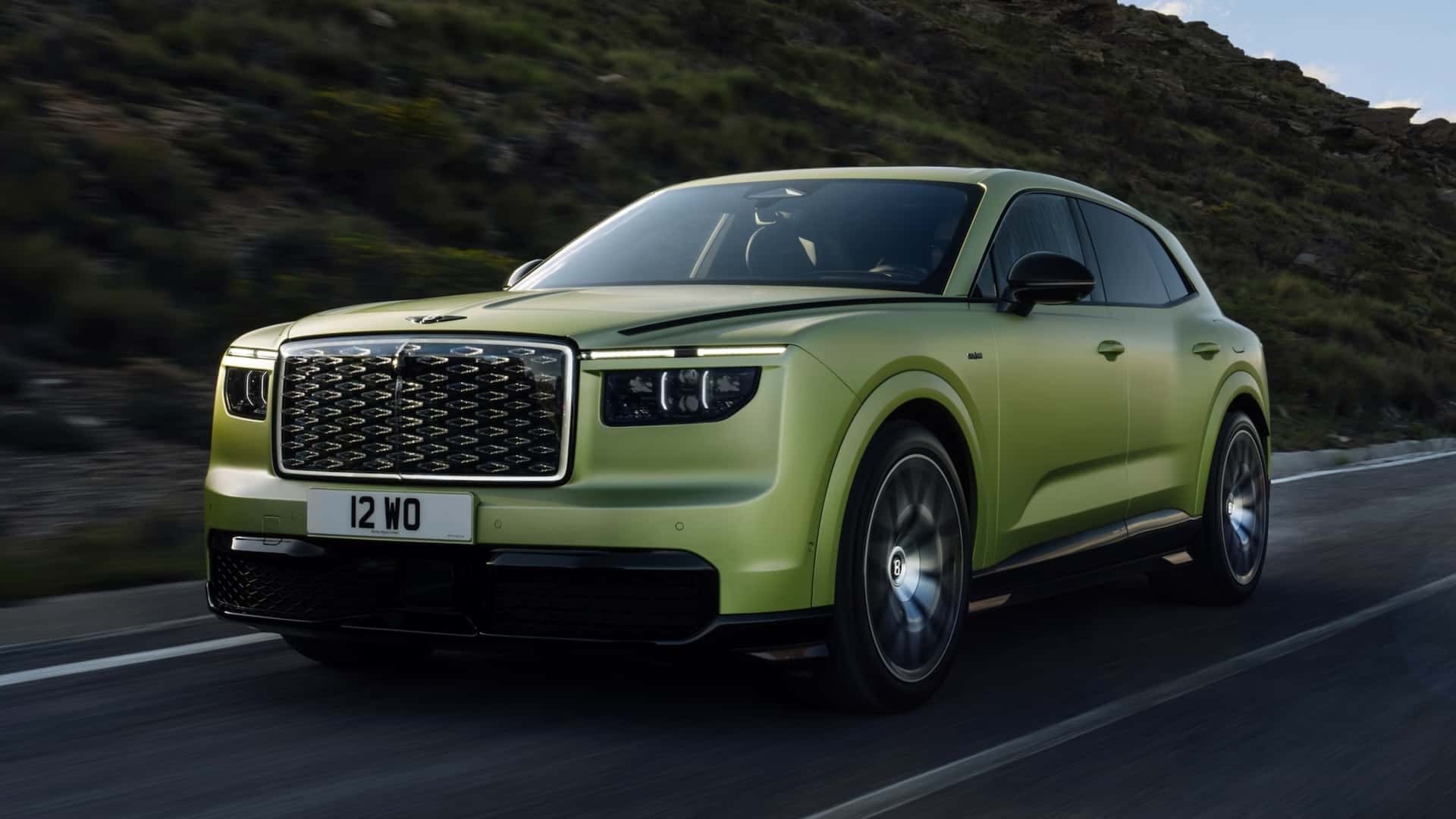
Bentley's First EV, the Torcal, Offers Rapid Charging Capabilities
Bentley has launched its first electric vehicle, the Torcal, a midsize SUV that boasts rapid…
12h ago
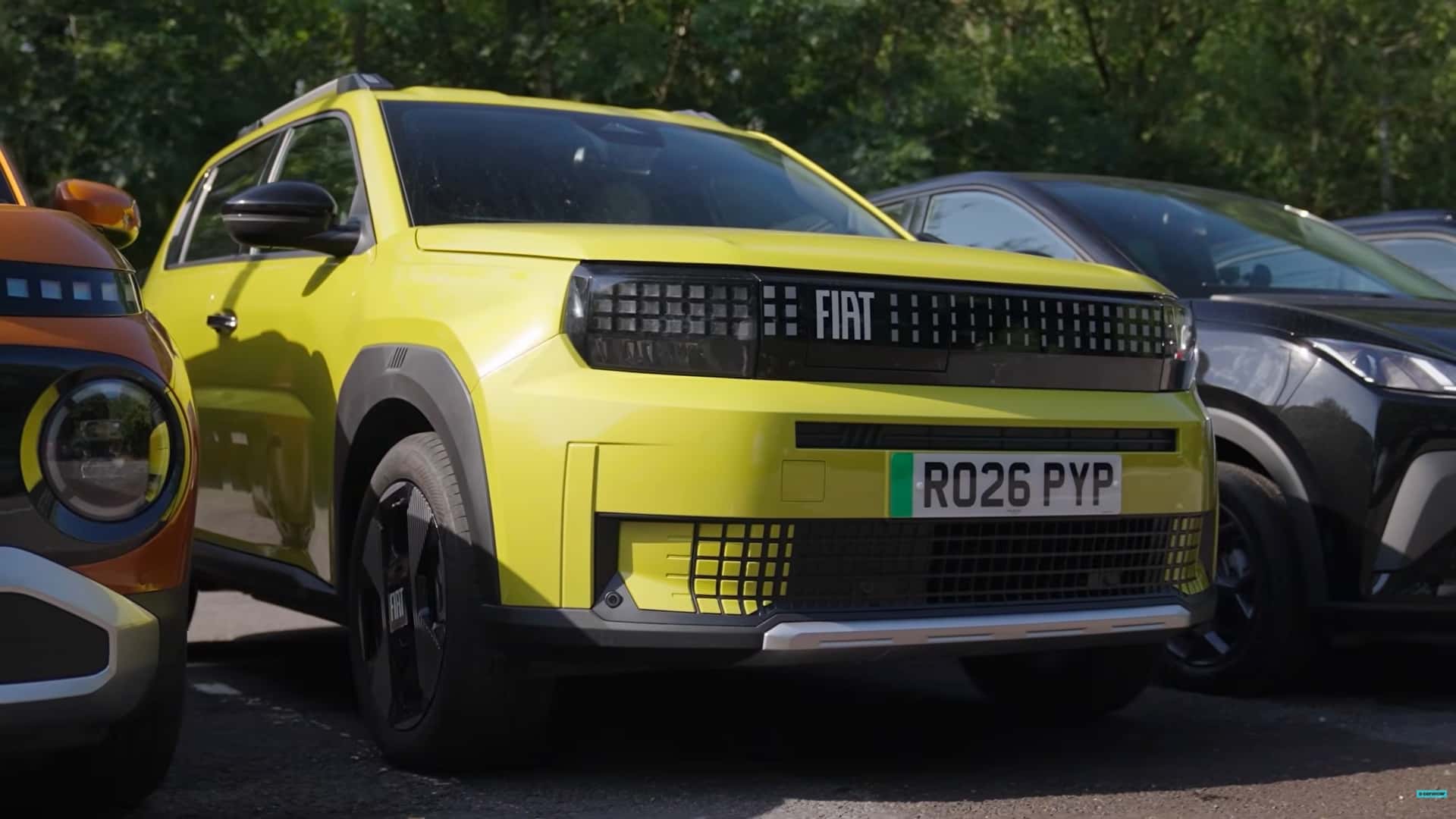
Fiat Grande Panda Outperforms Claimed Range in Real-World Test
In a recent highway range test, the Fiat Grande Panda exceeded its officially claimed range,…
12h ago
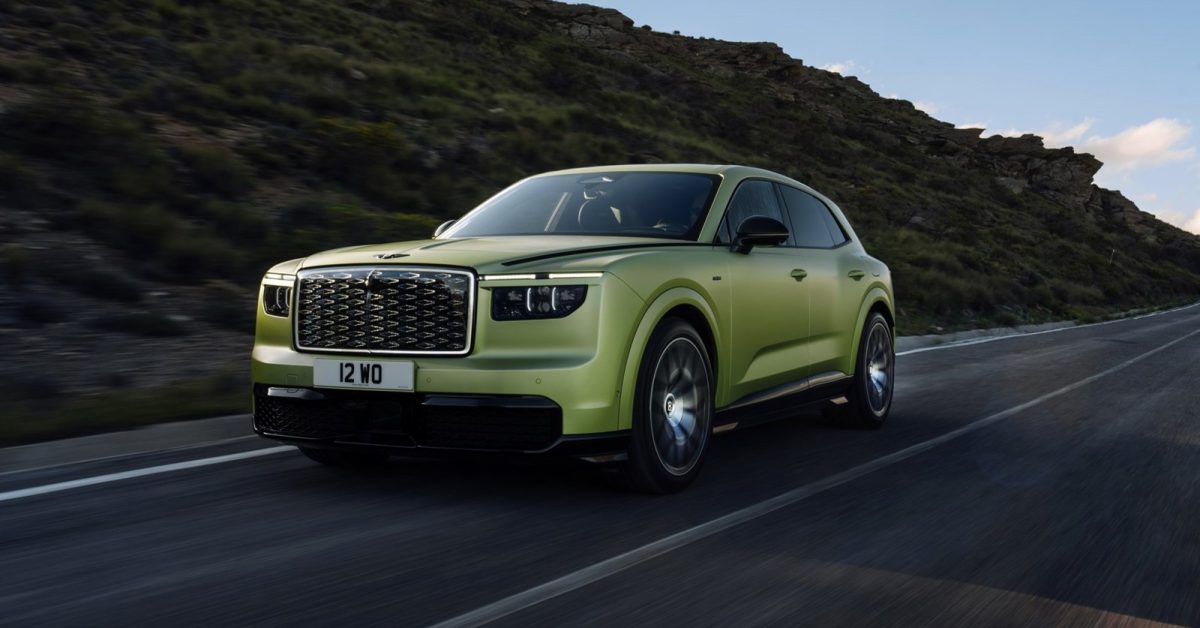
Bentley Launches Torcal, Its First All-Electric SUV
Bentley has officially unveiled the Torcal, marking its entry into the electric vehicle market.…
12h ago