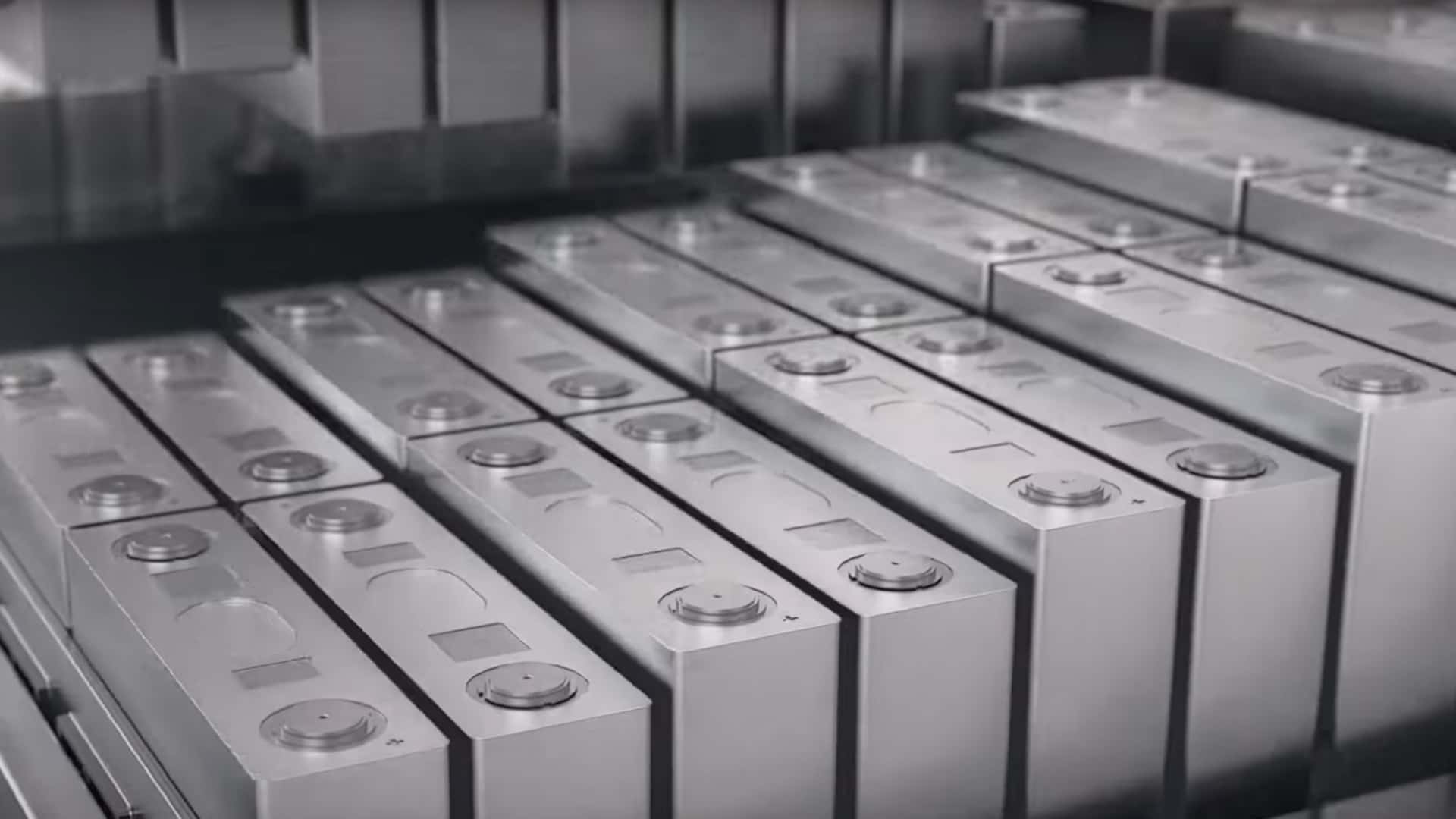
China Aims for Mass Production of Solid-State Batteries by 2030, but Challenges Remain

Edited by Ionna Brakeley
Charging & Ownership
Updated October 3, 2026
3 min read
1 linked source
China has set an ambitious goal to achieve mass production of solid-state batteries by 2030. However, CATL, the world's largest EV battery manufacturer, has cautioned that making this technology affordable poses significant challenges. This situation affects both the EV market and consumers, as the feasibility of these batteries remains uncertain.
Share this story
Why it matters
- ✓If successful, solid-state batteries could lead to lower costs and improved performance for electric vehicles, benefiting buyers and owners.
- ✓Challenges in affordability may delay the widespread adoption of this technology, impacting the overall EV market and consumer options.
- ✓The timeline for mass production could influence the availability of next-generation EVs, affecting long-term ownership costs and charging capabilities.
China’s Ambitious Battery Goals
China has announced its intention to achieve mass production of solid-state batteries by 2030. This initiative is part of the country's broader strategy to enhance its position in the electric vehicle (EV) market. However, the world's largest EV battery manufacturer, CATL, has expressed concerns about the challenges associated with making solid-state battery technology affordable and practical for widespread use.
What Changed
The Chinese government is pushing for the development of solid-state batteries, which are considered a potential game-changer in the EV industry due to their higher energy density and safety compared to traditional lithium-ion batteries. Despite this ambitious goal, CATL has warned that the path to mass production is fraught with difficulties, particularly in terms of cost and manufacturing scalability.
Why It Matters for Buyers and Owners
- Potential Cost Benefits: If solid-state batteries can be produced at scale and at a lower cost, consumers may benefit from cheaper EVs and reduced ownership costs over time.
- Impact on EV Availability: The timeline for mass production could affect the availability of next-generation EVs, which may feature solid-state technology, thus influencing consumer choices in the market.
- Charging and Performance Improvements: Solid-state batteries promise faster charging times and longer ranges, which could significantly enhance the day-to-day experience for EV owners.
Key Details from Source Material
According to the report from InsideEVs, while the Chinese government is eager to see solid-state batteries become a reality, CATL's caution highlights the complexities involved in transitioning from concept to mass production. The company recognizes that achieving affordability is a significant hurdle that must be overcome to make solid-state batteries viable for the average consumer.
What to Watch Next
As China moves forward with its plans, it will be crucial to monitor developments from CATL and other battery manufacturers regarding their progress in solid-state technology. Key indicators to watch include advancements in manufacturing techniques, cost reductions, and any partnerships or investments aimed at overcoming the current challenges. Additionally, updates from the Chinese government on policy support for this initiative will be important in shaping the future of solid-state batteries in the EV market.
In conclusion, while the goal of mass-producing solid-state batteries by 2030 is ambitious, the challenges highlighted by CATL suggest that the timeline may be optimistic. Buyers and owners should stay informed about these developments, as they could significantly impact the future landscape of electric vehicles.
Sources
These are the documents and reports used to build this brief so readers can verify the story directly.
Reporting notes
EV Signal briefs are written to explain the verified change first, then add the context EV buyers and owners need to understand cost, availability, charging access, eligibility, or ownership impact.
If details are still developing, we try to say what is confirmed, what comes from secondary reporting, and what readers should verify before acting.
Source mix
1 linked source
1 media
Reviewed from: InsideEVs.
Comments
Log in with
Loading comments…
More in Ownership

EGO POWER+ Launches New Leaf Vacuum and Mulcher
EGO POWER+ has introduced a new three-in-one leaf vacuum, mulcher, and blower that boasts a blowing…
2h ago
Pros and Cons of Owning an Audi E-Tron GT After One Month
After one month of ownership, Tommy and Roman from TFL have shared their insights on the Audi…
2h ago

Rivian’s ALSO E-Bikes Begin Deliveries Amid Mixed Customer Feedback
Rivian's spinout, ALSO, has started delivering its long-awaited electric bikes to customers after…
2h ago

Sustainability Expo Expands to Local Communities
CleanTechnica is bringing its successful Sustainability Expo to various towns, following the…
15h ago